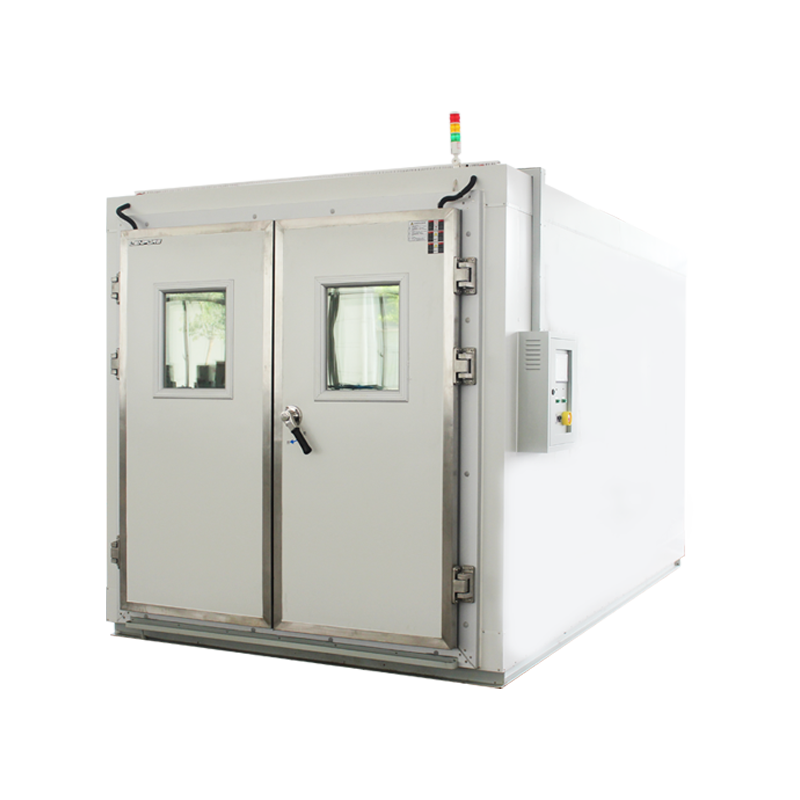
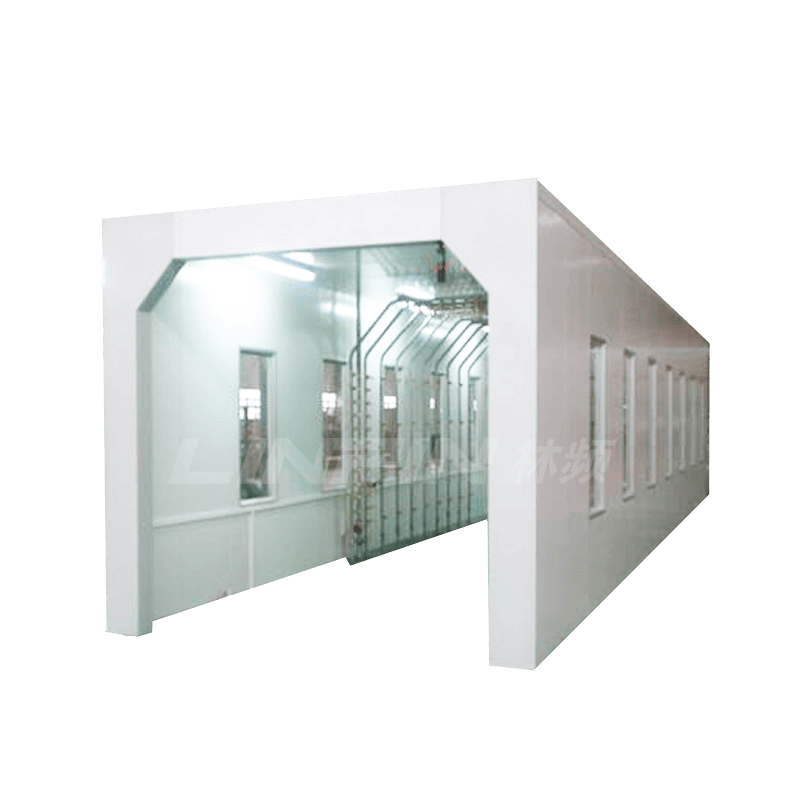
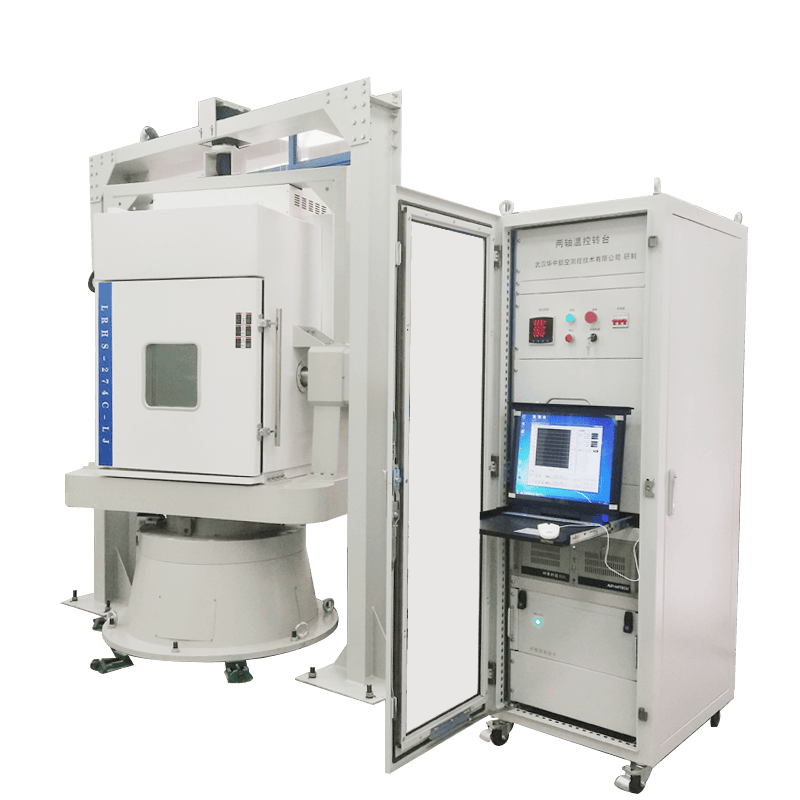
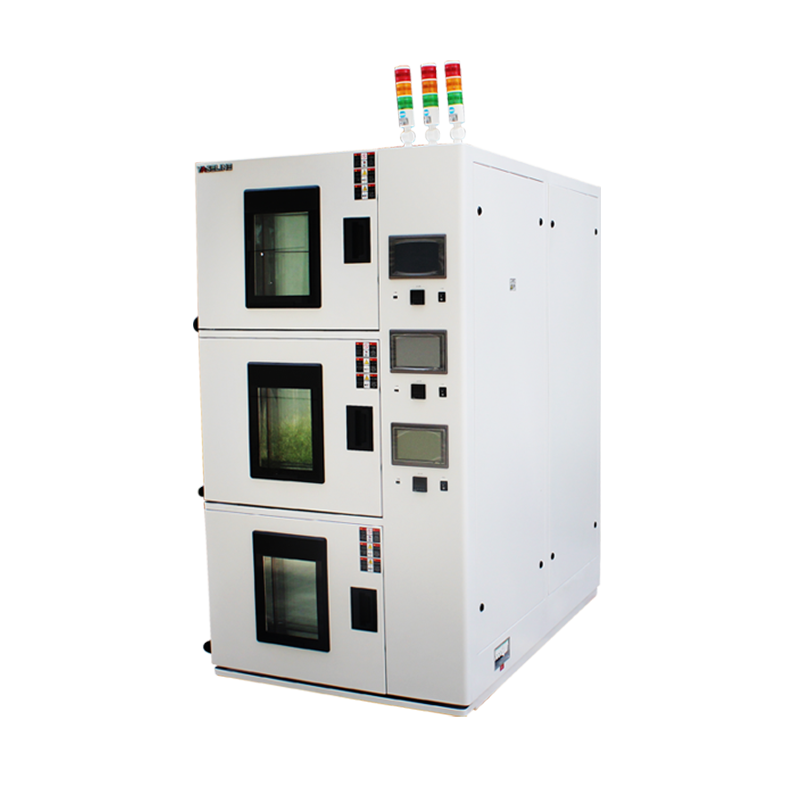
High and low temperature test chambers have a lifespan from the moment they are produced. In fact, not just test chambers, any equipment has a lifecycle, and various issues may arise during use. Today, we will address some common problems with test chambers.
Why is it difficult to open the high and low temperature test chamber?
Answer: This may be because moist air has entered irregular small holes on the contact surface between the door and the door frame, forming condensation. When the door is closed, the condensation water expels the air in the holes, creating a negative pressure. The sealed magnetic force and contamination of the relay can cause mixed attraction, making it difficult to open later. This issue can be resolved by cleaning the door seal with soapy water to restore its elasticity and smoothness, and applying talcum powder to eliminate condensation.

Why does the test chamber sometimes make noise?
Answer: The noise may be due to loose screws or nuts on the compressor, or a loose water tray in the device. If too much frozen oil enters the evaporator, it can produce a “gurgling” bubble sound. Additionally, scraping noise in the cylinder may occur due to a detached cylinder, loose compressor springs, severe internal part wear, or poor lubrication. Pipe vibration happens because pipes suspended for a long time are prone to resonance, causing noticeable noise with periodic fluctuations. When pressing on easily vibrating parts, the noise may significantly reduce or disappear. Solutions include using buffers, reinforcements, or isolation methods such as vibration-damping mortar or rubber sleeves. Poor vacuuming can also cause “gurgling” sounds, or it may be due to equipment malfunctions. Operators can troubleshoot and address these issues one by one.
Can a high and low temperature test chamber be used after being stored for a long time?
Answer: For test equipment that has been stored for a long time, it is necessary to clean it thoroughly and ensure all components are intact. After a trial run, if the device operates normally, it can be used for testing again.








Copyright © 2025 Shanghai Linpin Instrument Co., Ltd Copyright
| ICP Number:Shanghai ICP Record No. 12029585-7
| Sitemap






 EN
EN
 中文
中文 Pусский
 Tiếng Việt
 ภาษาไทย
 پاکستانی زبان