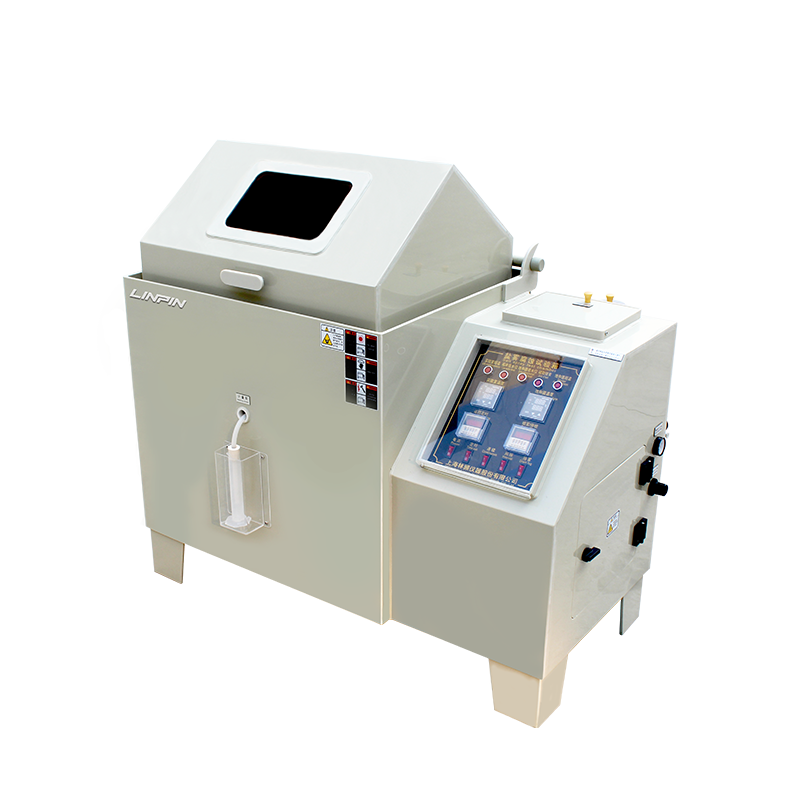
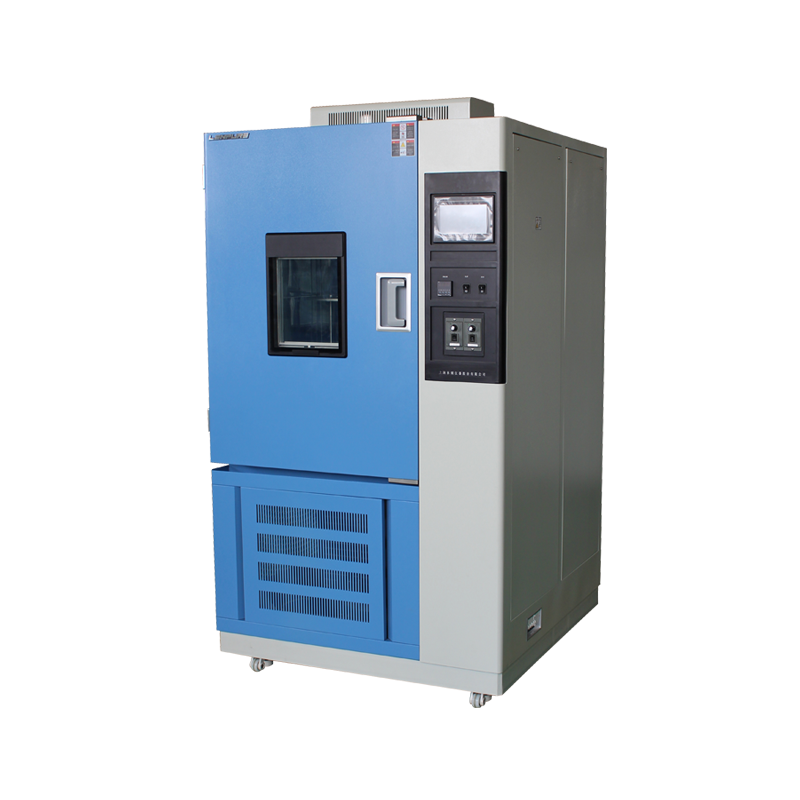
In today’s rapidly developing technological era, many products need to maintain stable performance under different temperature conditions. The walk-in temperature and humidity test chamber has thus emerged. It is like an “environmental magic box” that can accurately simulate extreme temperature conditions and provide a professional environment for the reliability testing of various products.

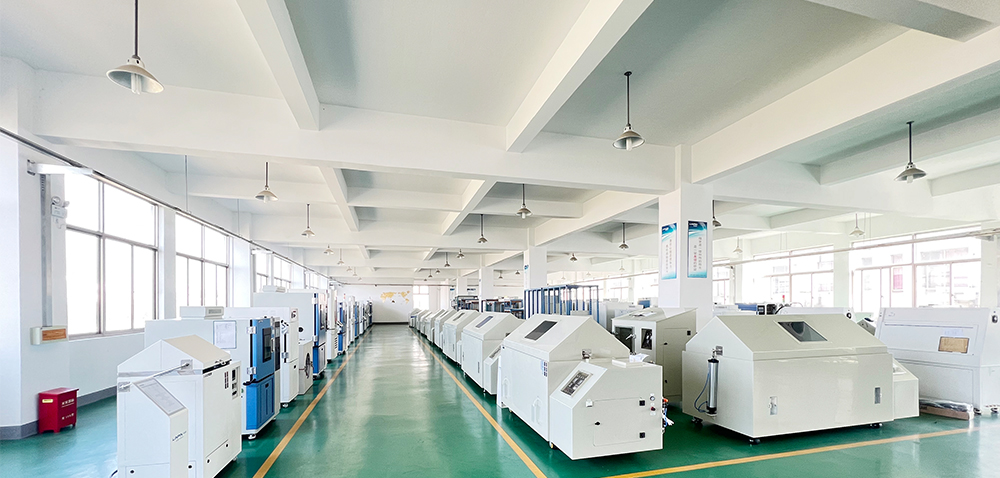
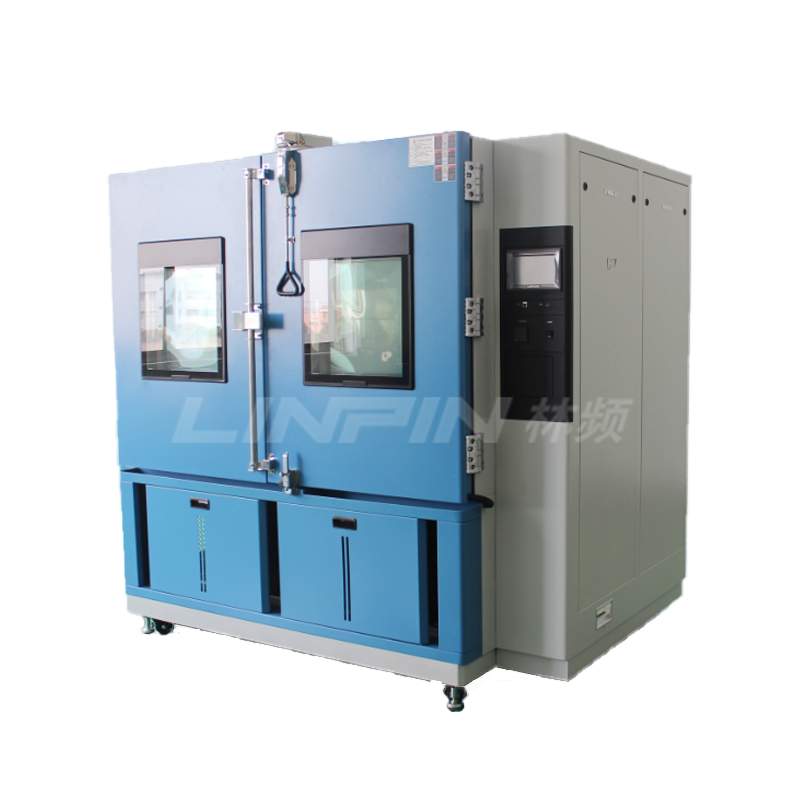
The walk-in temperature and humidity test chamber is large in structure and precise in design. The chamber is made of insulating materials to effectively reduce heat transfer and ensure stable temperature inside. The refrigeration system works in conjunction with the heating system. The internal space is spacious enough to accommodate large equipment or a large number of, samples making it convenient for technicians to step in and carry out operations and monitoring.
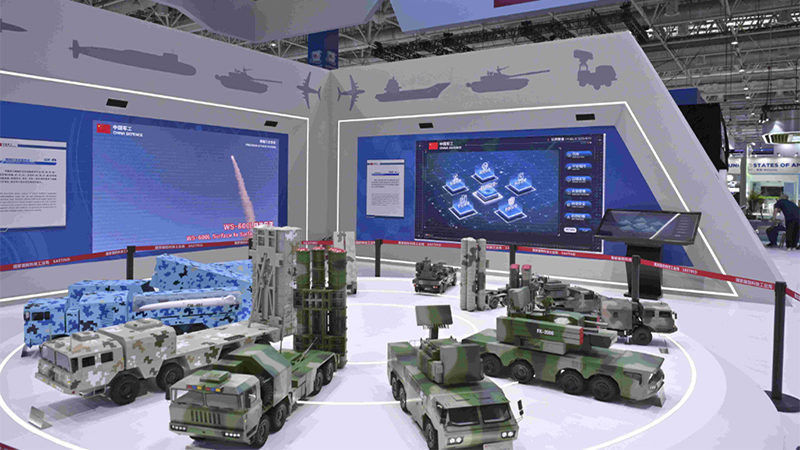
Its functions are widely applied in various industries. In the aerospace field, it is used to test the performance of aircraft parts under extreme temperatures. In the automotive manufacturing industry, it conducts high and low-temperature durability tests on whole vehicles and key parts. In the electronics and electrical industry, it is used to check the operational stability of products under different temperature conditions. In addition, it also plays an indispensable role in the research and development process of new energy and new materials industries.
Compared with ordinary test chambers, the walk-in temperature and humidity test chamber has significant advantages. The extra-large space can meet the testing needs of large products. Multiple people can enter and operate at the same time, which improves the testing efficiency. The high-precision temperature control and uniformity can ensure the accuracy and reliability of the test results, helping enterprises to control product quality, accelerate product development and iteration, and promote technological innovation and development in various industries.

25.09






Copyright © 2025 Shanghai Linpin Instrument Co., Ltd Copyright
| ICP Number:Shanghai ICP Record No. 12029585-7
| Sitemap






 EN
EN
 中文
中文 Pусский
 Tiếng Việt
 ภาษาไทย
 پاکستانی زبان


组件紫外试验箱.png)