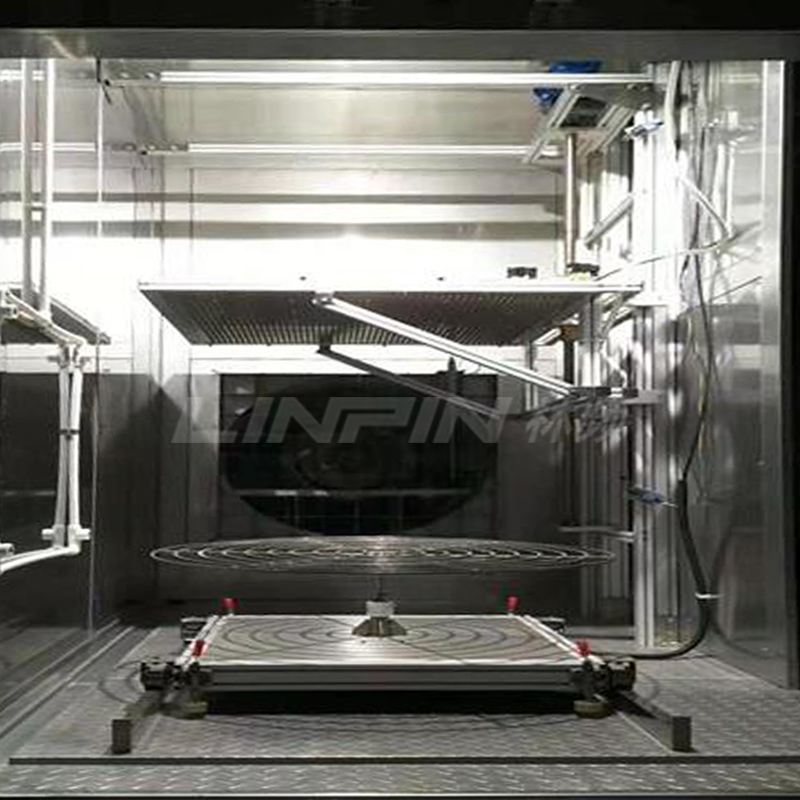
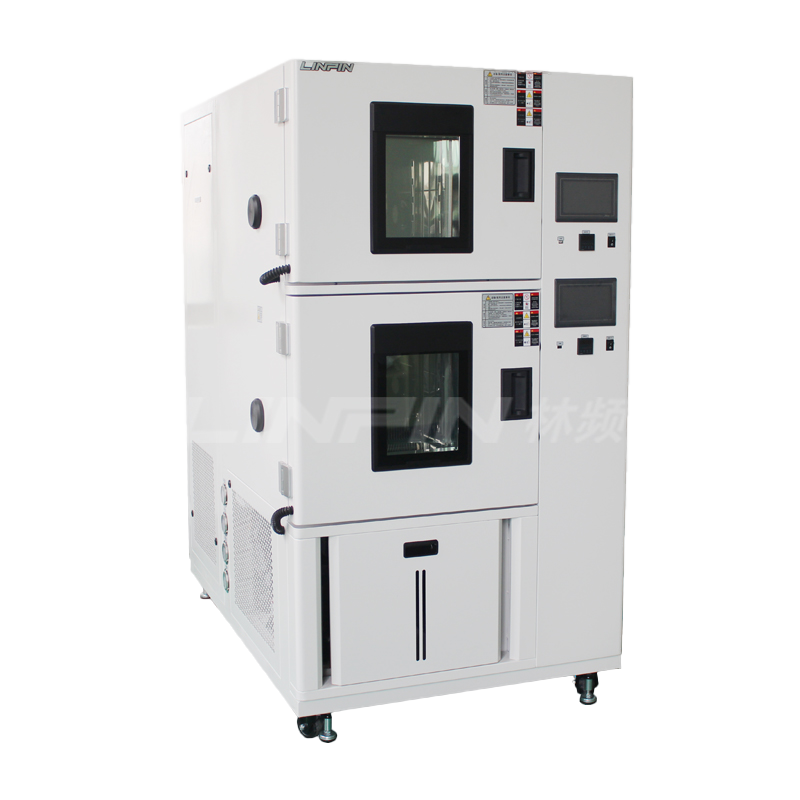
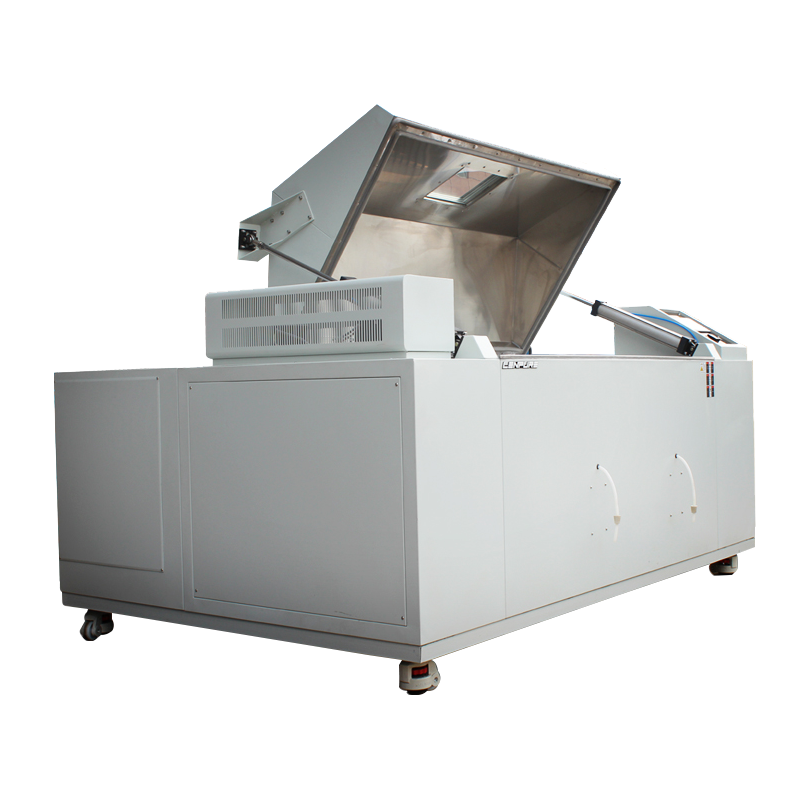
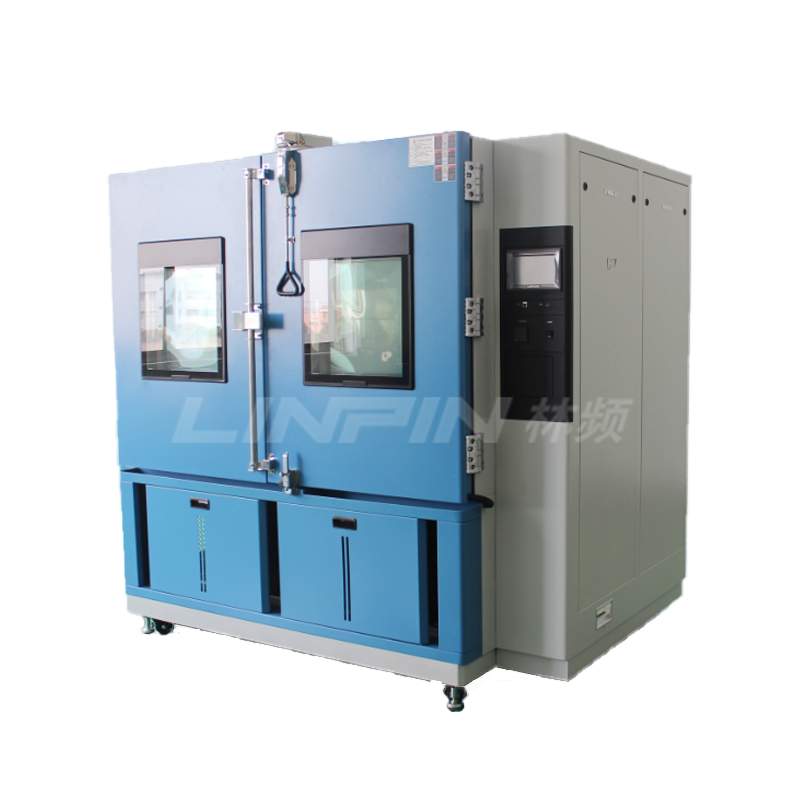
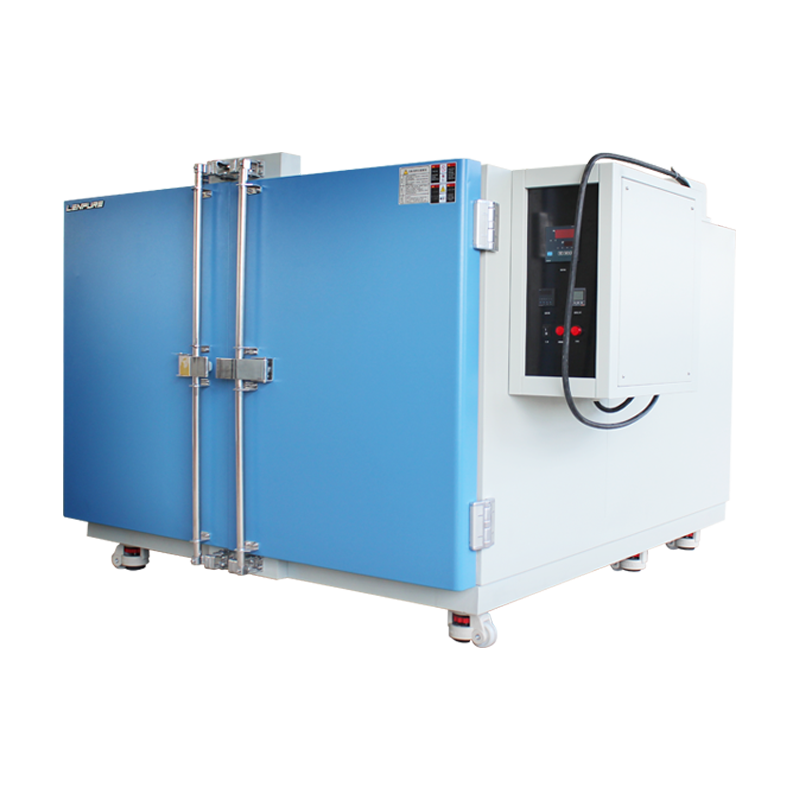
To ensure that the sand and dust test chamber can quickly start the testing process, the preliminary preparations must be thorough. Let’s take a closer look at what needs to be done before operating this testing equipment.
1. Cleaning the Sand and Dust Test Chamber
Before operation, the chamber must be thoroughly cleaned. Use a vacuum cleaner to remove dust from the equipment. Additionally, inspect the equipment and its components to avoid potential malfunctions during operation. Before testing, run the sand and dust test chamber without any test samples to ensure it operates normally.

2. Calibration and Adjustment
Calibrate the sand concentration of the sand distribution system according to the technical specifications. Adjust the air supply system or the position of the test sample to achieve the specified wind speed for the test item.
3. Sand Injection and Dust Settlement
During the dust settlement test, inject sand for one minute every hour, with the remaining time dedicated to dust settlement. Each cycle lasts two hours. Monitor the dust settlement rate during the cycle to ensure the equipment operates correctly.
4. Preparing the Test Sample
Ensure the test sample is clean and free from contamination. Understand the technical state of the sample and clarify the testing procedures to avoid improper operations that could affect the results. The operator should determine the required testing program based on the technical documentation and identify the specific testing variables.
5. Precautions During Operation
In a dry testing environment with sand particles, flowing air, and organic dust, static electricity may accumulate on the test sample, potentially affecting its performance. If organic dust is used, exercise caution during or after the test when handling the sample, as electrostatic discharge may cause anomalies during inspection. Operators should be aware of these issues.
Now you know what preparations are needed before operating the sand and dust test chamber. With these steps in mind, you can confidently start using your testing equipment.
25.05









Copyright © 2025 Shanghai Linpin Instrument Co., Ltd Copyright
| ICP Number:Shanghai ICP Record No. 12029585-7
| Sitemap






 EN
EN
 中文
中文 Pусский
 Tiếng Việt
 ภาษาไทย
 پاکستانی زبان