When considering the purchase of a high-temperature test chamber for experiments, you may have concerns about the brand and model specifications. Let me guide you step-by-step on how to choose the right test chamber that meets your needs.
1. Understand the Applications of High-Temperature Test Chambers
High-temperature test chambers are primarily used in the following fields: aerospace, military, scientific research, quality inspection, electrical engineering, electronics, materials, chemical engineering, communications, machinery, home appliances, components, and new energy. Specifically, they are essential testing equipment for home appliances and scientific research.

2. Confirm the Correct Application Field
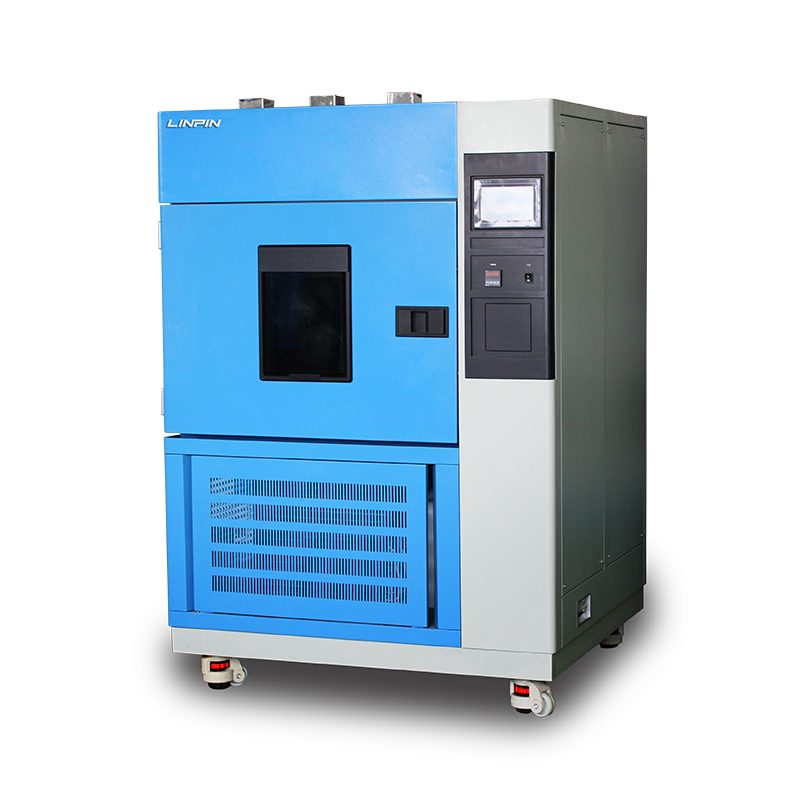
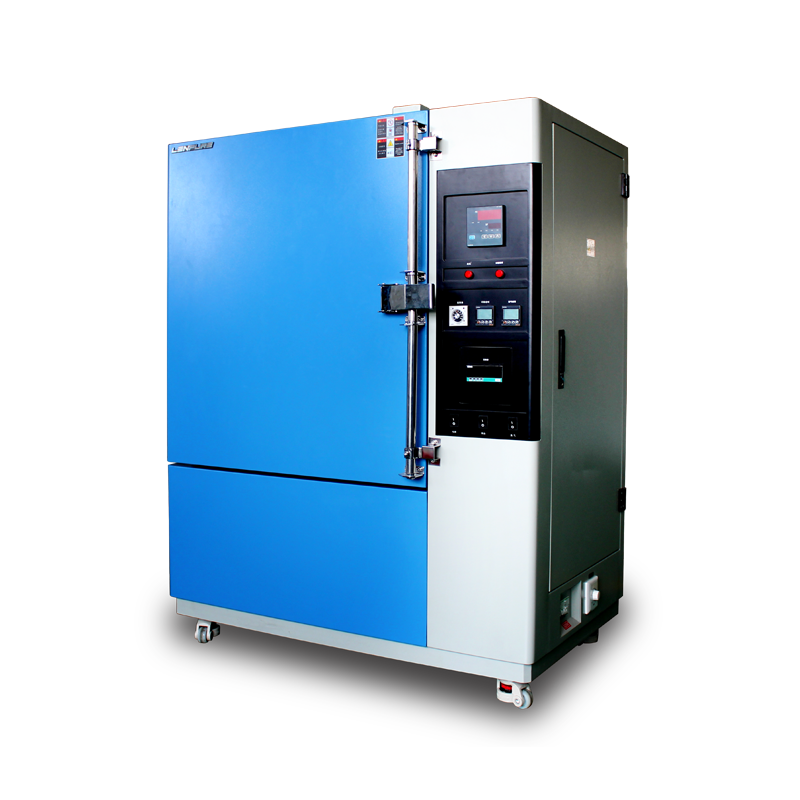
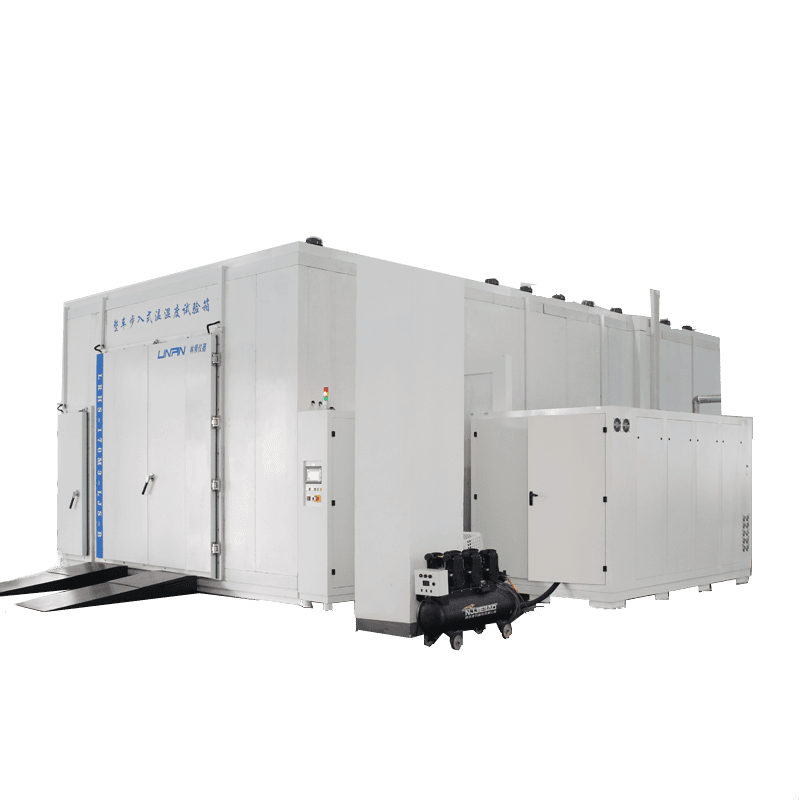
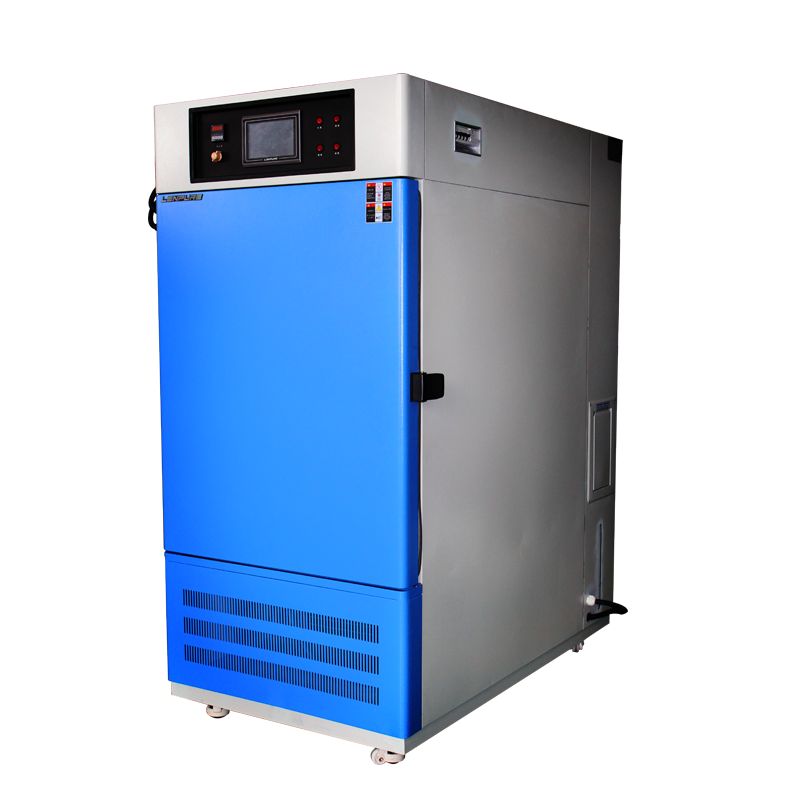
Once you’ve confirmed that the chamber is suitable for your intended use, check the available models to ensure the size fits your requirements. At Linpin, we offer a wide range of high-temperature test chamber models, including but not limited to:
Model: LRHS-101-LG
Model: LRHS-800-LG
Our diverse product lineup ensures that you can find the right size for your needs. The test hole, usually located on the left side of the machine, is designed for connecting external power or signal cables, making it convenient for your operations. Additionally, the user manual is simple and easy to follow, so you won’t have trouble understanding it. When using the chamber, ensure the ambient temperature is maintained between 5°C and 28°C, with a relative humidity (RH) of ≤85%.
3. Temperature Range
The temperature range of our high-temperature test chambers is RT+10°C to 200°C or RT+10°C to 300°C, which is an excellent range for various applications. The heating rate from start to finish is 1.0-3.0°C per minute. Impressed and eager to purchase one?
4. Safety Features
Safety is a major concern, and you can rest assured because our chambers are equipped with multiple safety protections, including:
Over-temperature protection
Fan motor overheating protection
Phase failure/reverse phase protection
Timer protection
Leakage protection
Overload and short-circuit protection
These features ensure that your experiments are conducted safely and smoothly.
Still hesitating? Feel free to call us for more information. We look forward to your visit!



25.05






Copyright © 2025 Shanghai Linpin Instrument Co., Ltd Copyright
| ICP Number:Shanghai ICP Record No. 12029585-7
| Sitemap






 EN
EN
 中文
中文 Pусский
 Tiếng Việt
 ภาษาไทย
 پاکستانی زبان