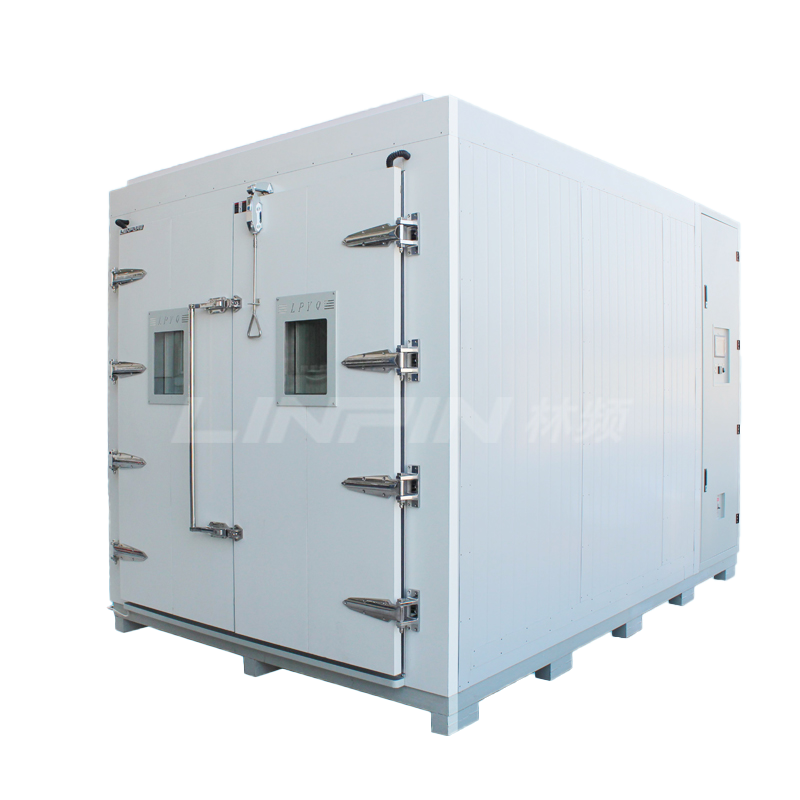
Thermal shock test chambers, as precision testing equipment, rely heavily on compressed air for their stable operation. Regardless of the chamber’s structural design, compressed air serves as a critical component in driving rapid temperature transitions and ensuring precise temperature control within the test zone. Therefore, correctly connecting the compressed air pipe is an indispensable step in guaranteeing the efficient functioning of the test chamber. So, how can one accomplish this task efficiently and safely? The secret lies in adhering to the correct operational procedures.
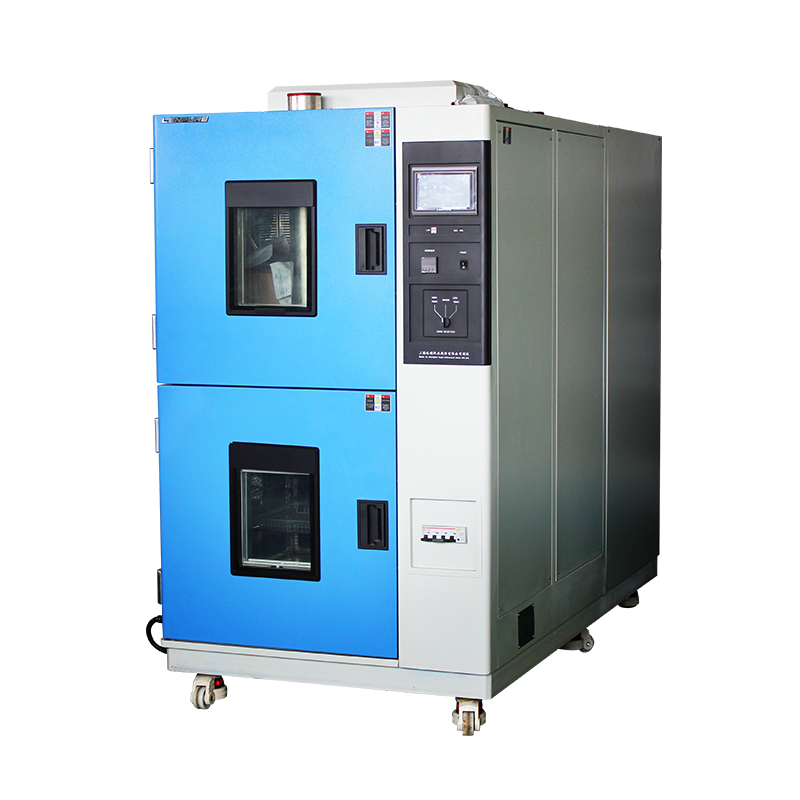
Detailed Connection Steps
Air Source Connection: First, connect the external air source to the intake port of the test equipment’s air intake pressure regulator using an appropriate air hose. This step is fundamental for ensuring subsequent pressure regulation and the normal operation of the test chamber.
Air Hose Preparation: Prior to connection, ensure that the end of the air hose is flat and free from sharp edges to prevent damage or air leakage when inserting it into the quick-connect fitting. Once prepared, insert the air hose into the quick-connect fitting, ensuring a tight and leak-free connection.
Pressure Regulation: Thermal shock test chambers have specific requirements for the input air pressure, typically ranging between 3 to 5 kg. However, the actual operating pressure within the test chamber needs to be precisely adjusted to around 2 kg using the pressure regulator. For the spray function, its pressure regulator should be separately adjusted to approximately 1 kg. When adjusting, first lift up the pressure regulator knob, rotate it clockwise to increase the pressure, and counterclockwise to decrease it. After adjustment, always check the pressure gauge to ensure that the pressure meets the equipment’s requirements. Once confirmed, press down the knob to lock in the pressure setting.
Air Hose Removal: If it becomes necessary to remove the air hose, first close the main intake valve to cut off the air supply. Subsequently, push the plastic part of the fitting inward quickly and firmly to release the lock, and then promptly pull out the air hose. This operation should be done swiftly to minimize the risk of air leakage.
Routine Maintenance and Consultation
Mastering the method of connecting the compressed air pipe for the thermal shock test chamber is just one aspect of the equipment’s routine maintenance. Typically, after purchasing the equipment, the manufacturer’s technicians will be responsible for its installation and commissioning. However, as a user of the equipment, understanding these basic operations is crucial for subsequent self-maintenance and troubleshooting.
As a professional manufacturer and supplier of environmental testing equipment, we not only provide high-quality equipment but also strive to offer comprehensive technical support and services to our customers. If you encounter any issues during the use of the equipment, please feel free to contact our service hotline at 400-066-2888 for consultation. Our professional team will provide timely and effective solutions tailored to your specific needs. Additionally, we have established offices nationwide to ensure rapid response and on-site technical services for our customers, keeping your equipment in optimal operating condition at all times.








Copyright © 2025 Shanghai Linpin Instrument Co., Ltd Copyright
| ICP Number:Shanghai ICP Record No. 12029585-7
| Sitemap






 EN
EN
 中文
中文 Pусский
 Tiếng Việt
 ภาษาไทย
 پاکستانی زبان