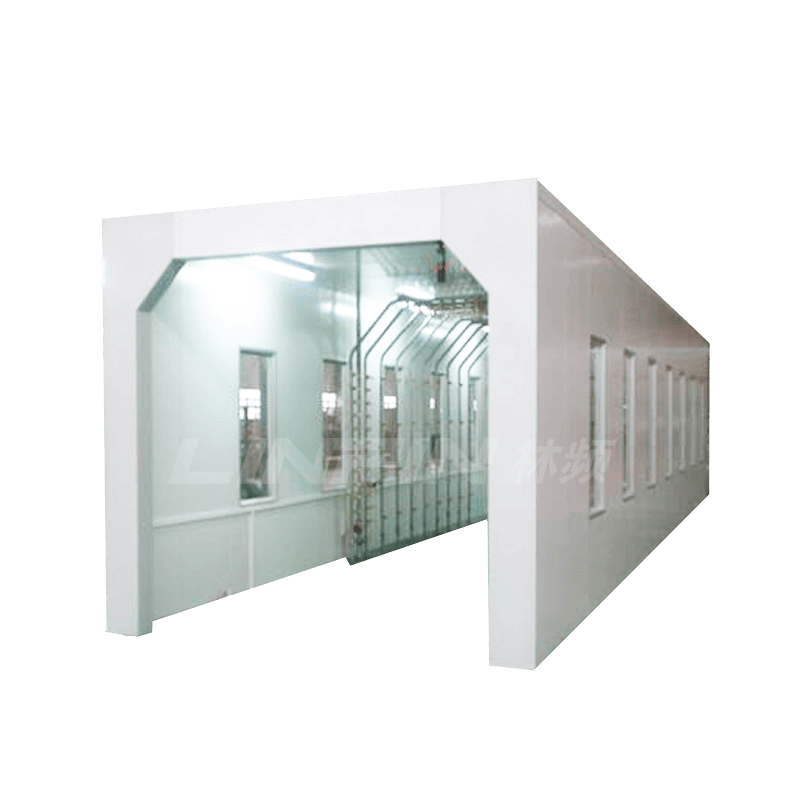
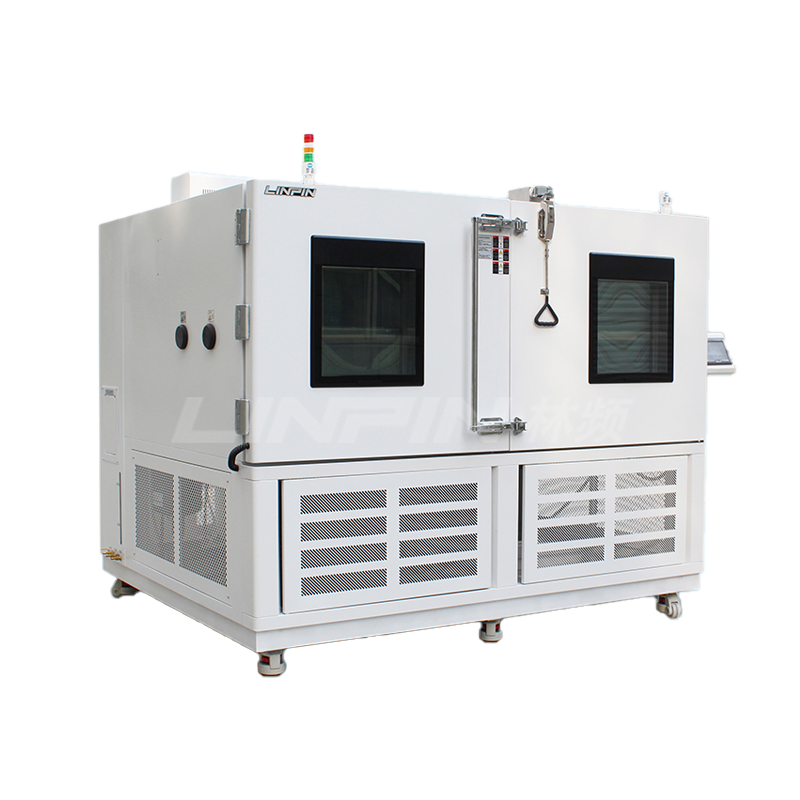
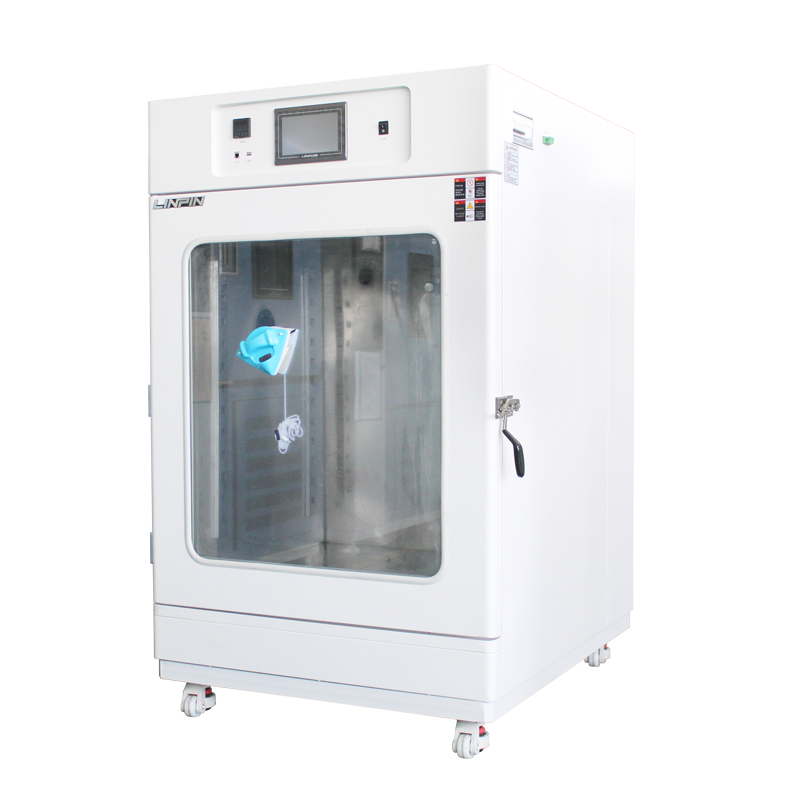
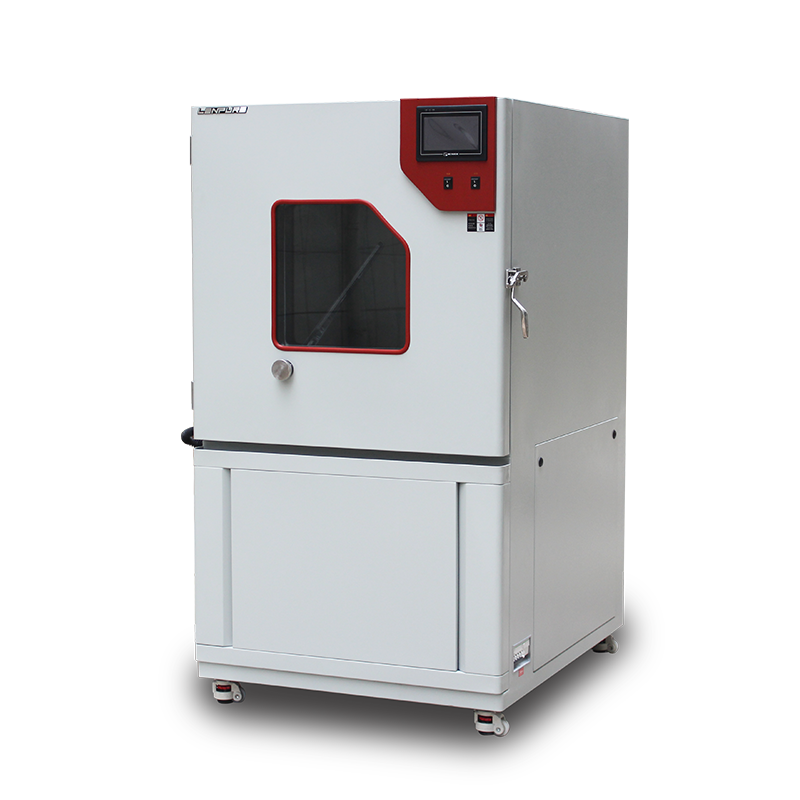
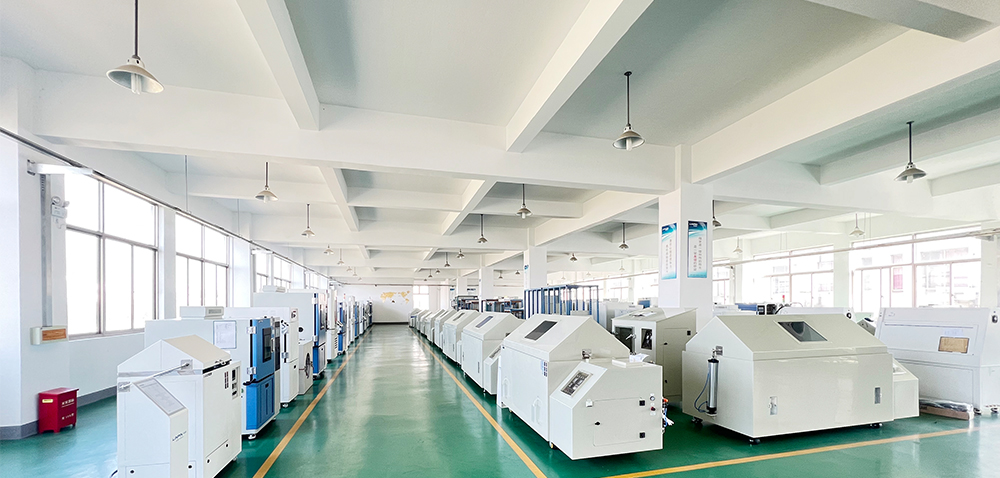
The formaldehyde VOC environmental test chamber is primarily used to detect formaldehyde content in building materials, artificial panels, curtains, carpets, and other products. It simulates standardized environmental conditions to test product formaldehyde levels. Below are the key structural components of this equipment:
Refrigeration System
The refrigeration system includes compressors. To ensure the requirements for temperature and humidity reduction during operation, the machine adopts a fully imported air-cooled refrigeration unit.
Air Conditioning System
Forced Ventilation Balanced Temperature Control (BTC): This method ensures continuous operation of the refrigeration system. The control system uses PID adjustment based on the set temperature, intelligently calculating operational data to regulate the output of the heating system, achieving dynamic equilibrium.
Air Circulation System: Equipped with a built-in air conditioning compartment, circulation ducts, and a long-axis centrifugal fan, it utilizes an efficient refrigeration unit and heat control system. The fan exchanges heat based on efficiency, thereby adjusting ambient temperature. By continuously optimizing airflow, the system enhances gas flow and heat exchange efficiency with the heating and cooling units, significantly improving temperature uniformity in the formaldehyde VOC environmental test chamber.

Electrical System
Air Conditioning Cabinet: This cabinet is the core for temperature and humidity control and circulation in the testing chamber. Made of SUS304 stainless steel with a brushed or sandblasted surface, it houses the heating and cooling systems, circulating fan, and temperature exhaust ports.
Electrical Control Cabinet: Constructed with powder-coated A3 steel plates for a cohesive appearance with the chamber. The temperature control system employs high-precision imported LCD displays, with critical parameters such as temperature, humidity, and flow rate monitored in real-time via computer.
Safety Devices
The equipment includes multiple safety protections:
Overheating protection
Reverse-phase protection
Timer function
Overload and short-circuit protection
Compressor overload and overcurrent protection
Compressor delay protection
Circulating motor overheating protection
Additionally, it features operation indicators and audible/visual alarms.
The above components constitute the structure of the formaldehyde VOC environmental test chamber. Only by integrating precision equipment, user-friendly operation, and comprehensive safety measures can it deliver optimal performance!
25.05








Copyright © 2025 Shanghai Linpin Instrument Co., Ltd Copyright
| ICP Number:Shanghai ICP Record No. 12029585-7
| Sitemap






 EN
EN
 中文
中文 Pусский
 Tiếng Việt
 ภาษาไทย
 پاکستانی زبان