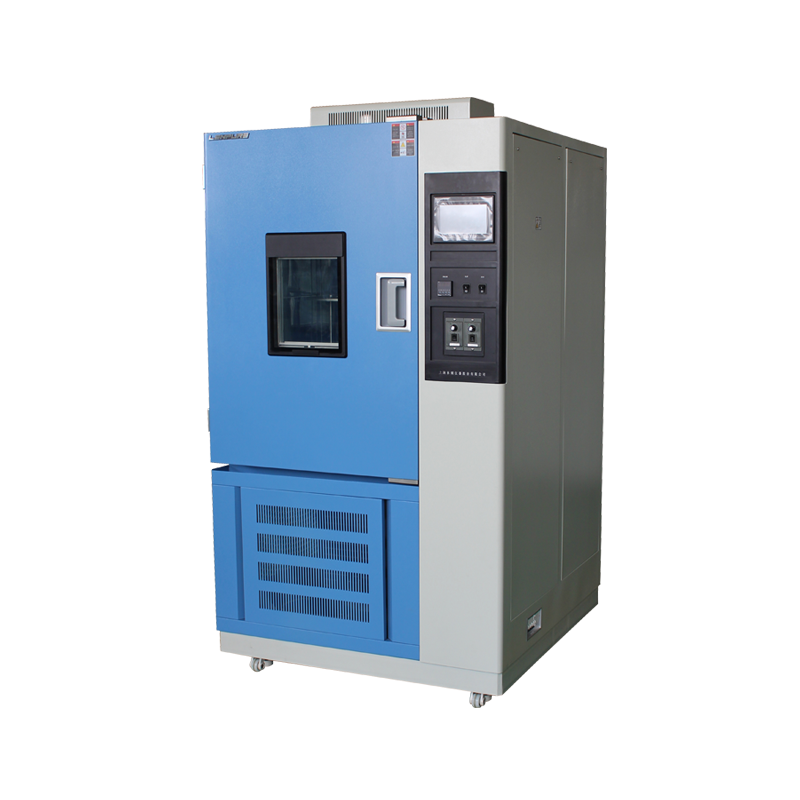
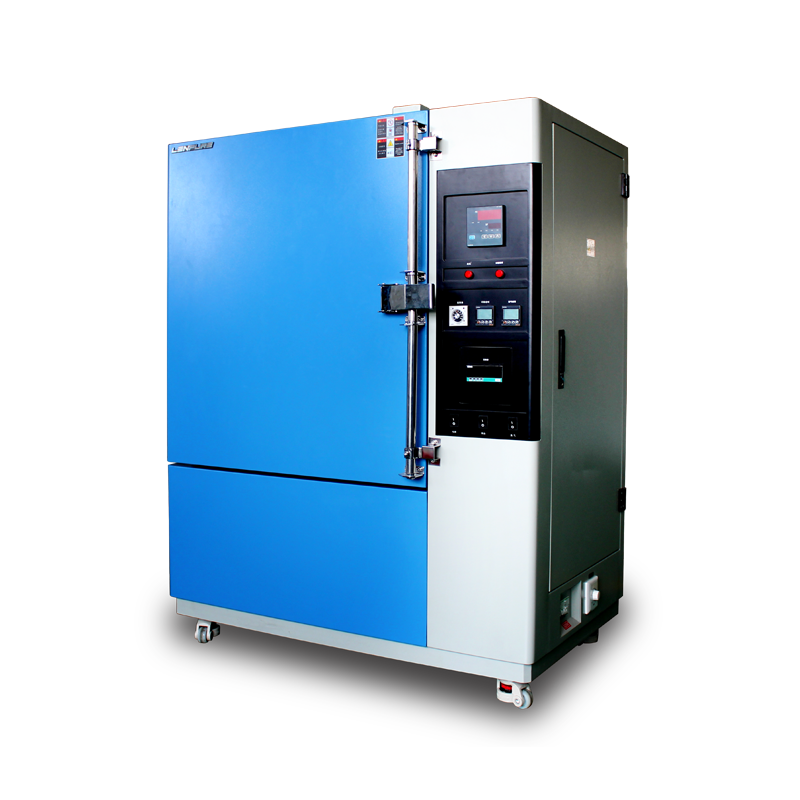
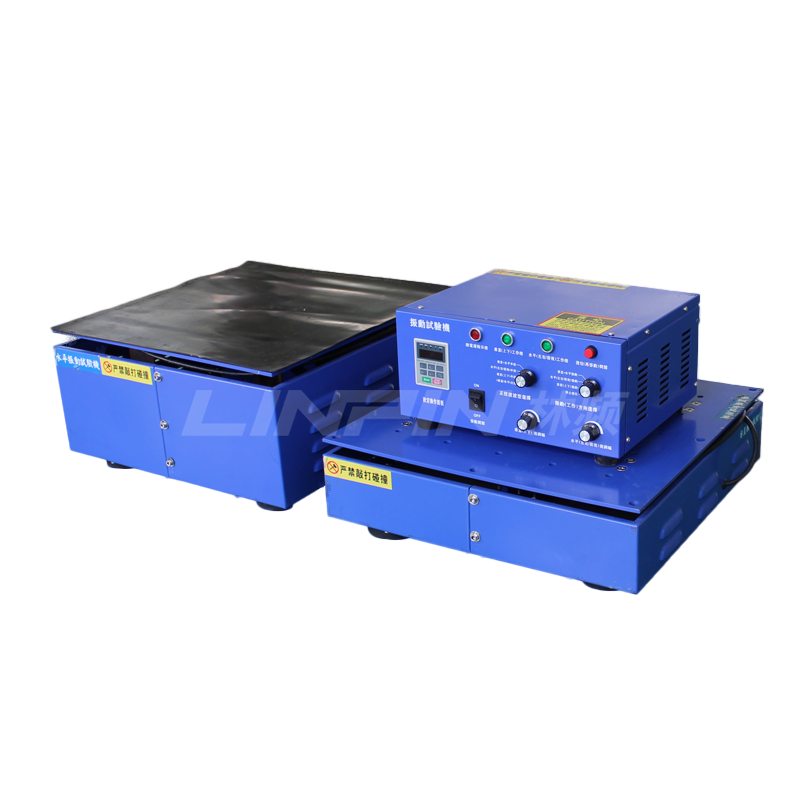
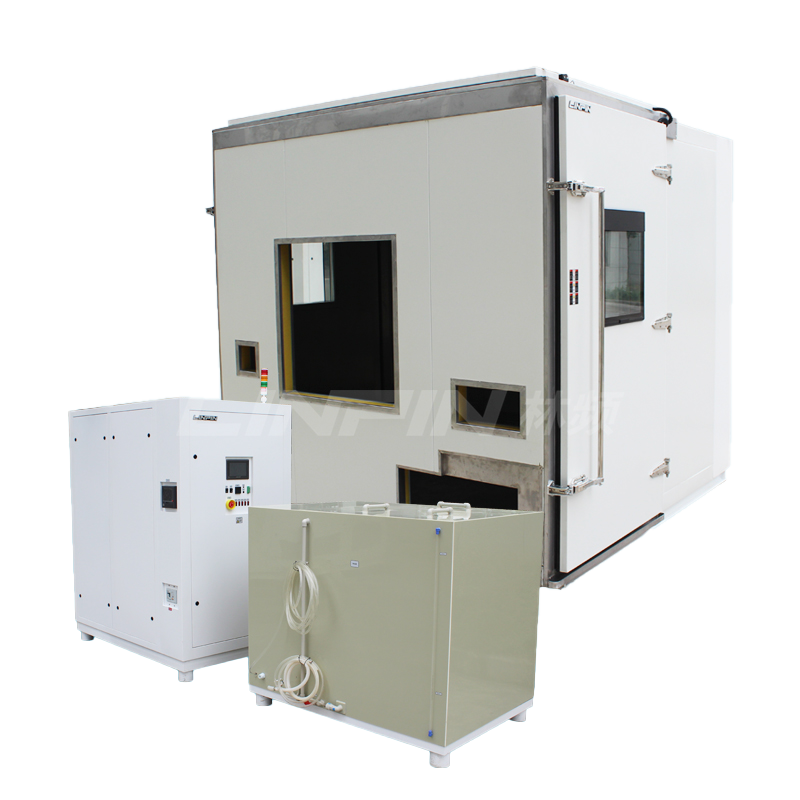
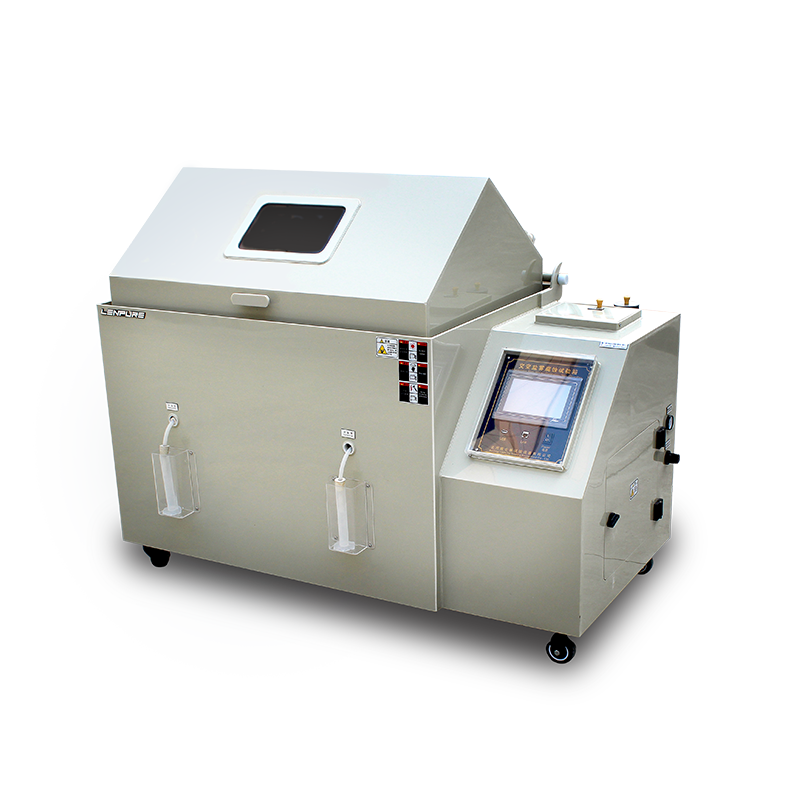
The uniformity of a thermal shock test chamber directly affects the test results, so it is crucial to maintain optimal uniformity. Here are key factors to consider:
Temperature Uniformity – If uneven temperature distribution occurs, check for air leaks. Ensure the chamber door and seals are properly secured. Poor sealing can lead to temperature fluctuations.
Heat Transfer Variations – Differences in wall heat conduction, localized heat transfer from wiring ports, and uneven convective/radiative heat exchange can disrupt temperature uniformity.
Structural Design Impact – The chamber’s internal structure influences heat convection. Improper airflow may cause temperature imbalances.

Thermal Loss Compensation – If heat escapes (e.g., due to poor insulation), the system compensates by adjusting airflow temperature—higher for heating, lower for cooling. This can create uneven temperature zones.
Test Sample Influence – Overloading the chamber with large or numerous samples may obstruct airflow, leading to inconsistent temperature distribution.
Understanding the importance of temperature uniformity is essential. If irregularities arise, immediate corrective action is necessary.
As a leading manufacturer of testing equipment, we provide high-performance thermal shock test chambers along with expert technical support. For any technical inquiries, please call 400-066-2888, and our team will offer tailored solutions.

25.05

24.07






Copyright © 2025 Shanghai Linpin Instrument Co., Ltd Copyright
| ICP Number:Shanghai ICP Record No. 12029585-7
| Sitemap






 EN
EN
 中文
中文 Pусский
 Tiếng Việt
 ภาษาไทย
 پاکستانی زبان