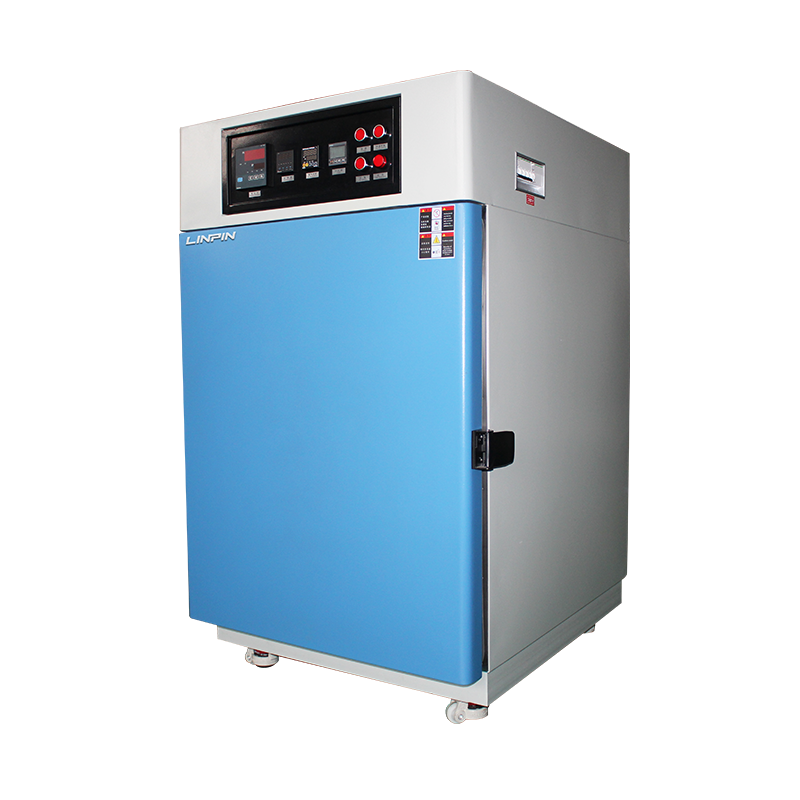
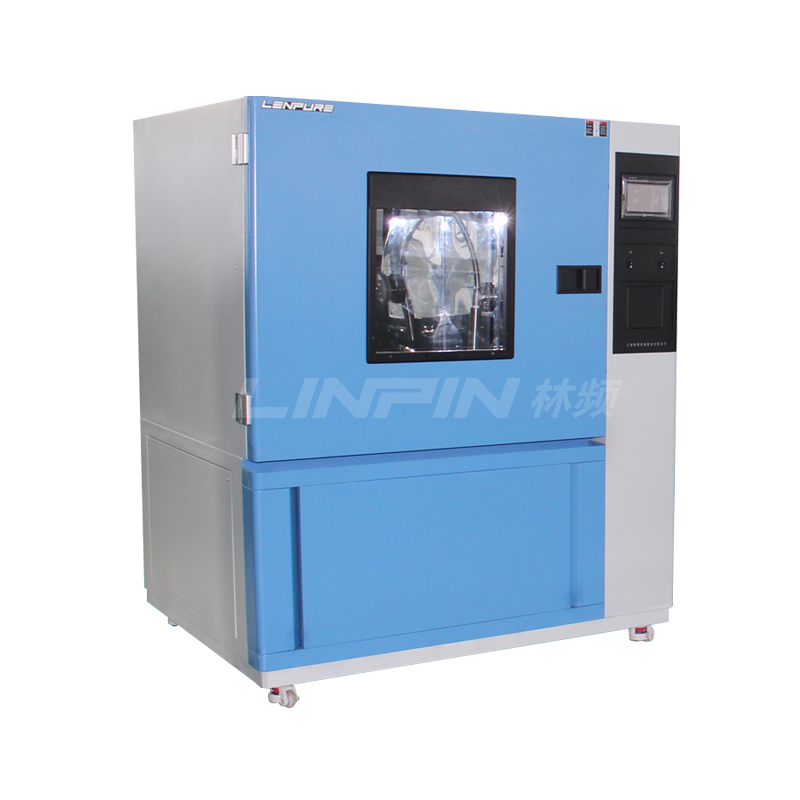
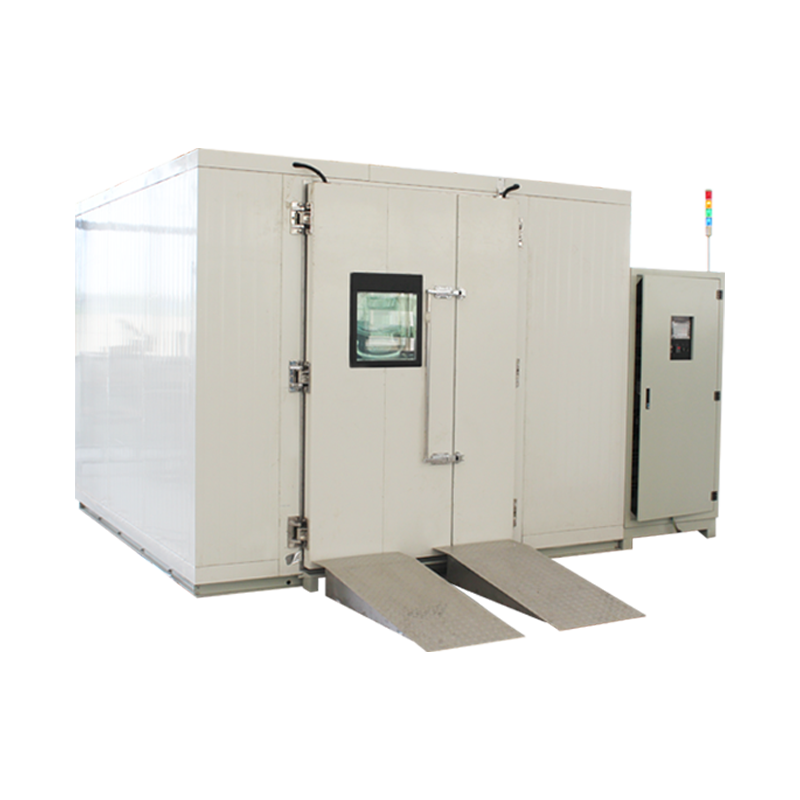
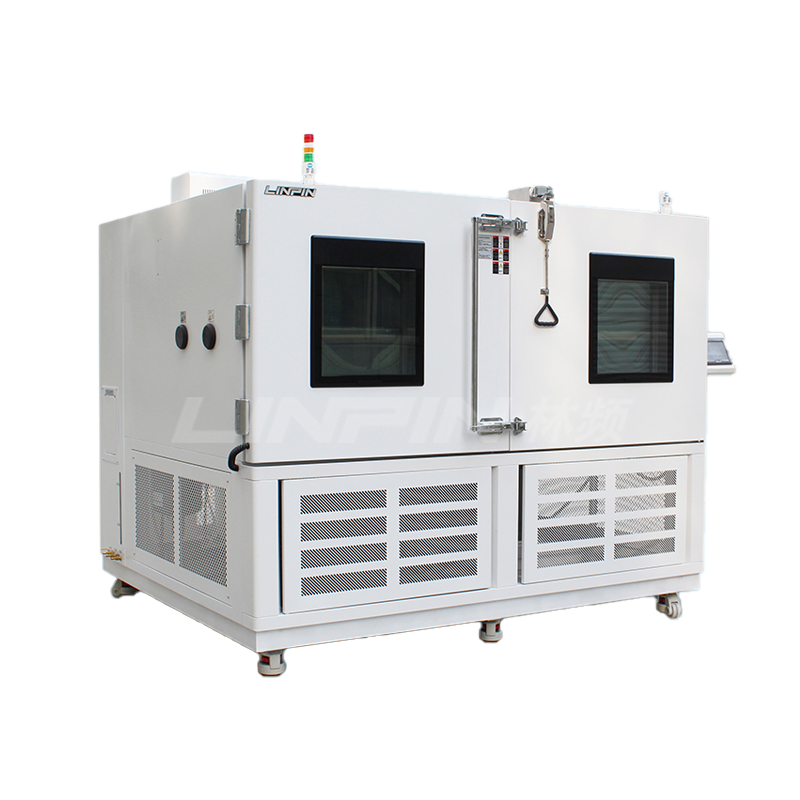
A rain test chamber is utilized to perform rain tests on products. During rainfall, due to the penetration, flow, impact, and accumulation of precipitation, machinery, equipment, and their materials can be adversely affected in various ways. For instance, chemical substances in water can corrode equipment, and rainwater can penetrate the internal structure of machinery and equipment, damaging their structures and components. Therefore, the adverse effects of rain on factory-produced products cannot be overlooked!
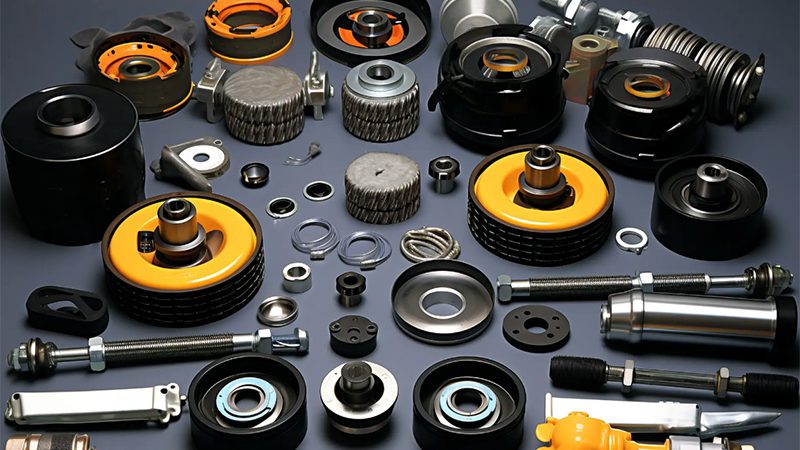
Rain tests are primarily used in industries such as aerospace, automotive, household appliances, data signal equipment, and automotive lighting shell protection. For example: testing the effectiveness of protective covers or sleeves in preventing rain penetration; assessing whether the performance indicators of machinery and equipment exposed to rain environments meet standards; and evaluating the erosion caused by rain on machinery and equipment.
So, how is a rain test specifically conducted? Typically, the task is accomplished within a rain test chamber. This equipment is mainly used for artificial rain tests under natural conditions, excluding heavy winds, and does not account for excessive water penetration caused by high temperatures and temperature differences during rainfall. Let’s now take a look at the practical operation steps:
After connecting the main power supply, turn on the main power switch. The power indicator light will remain on. The intelligent controller will automatically enter the fixed-value stop page.
After turning on the main power supply, when the set adjustment program of the equipment is completed, the equipment will stop running.
Open the chamber door handle, place the test specimen on the specimen rack, and then close the chamber door.
Note: The volume of the test specimen should not exceed two-thirds of the testing area volume.
According to the “TEMI880 System Operation Manual,” first set up the test device operation procedure, and then enter the testing state based on the basic mode of the set operation procedure.
If you wish to check the conditions inside the chamber during the test, you can turn on the door light switch and observe the internal structural changes through the window. The intelligent controller will display temperature and humidity changes inside the testing chamber.
Open the chamber door handle, remove the test specimen from the specimen rack, inspect the tested specimen, and record the results. The current testing task is completed.
Turn off the main power switch.
The steps for conducting tests using a rain test chamber have been described. To improve product performance, rain tests on products are essential!



25.09






Copyright © 2025 Shanghai Linpin Instrument Co., Ltd Copyright
| ICP Number:Shanghai ICP Record No. 12029585-7
| Sitemap






 EN
EN
 中文
中文 Pусский
 Tiếng Việt
 ภาษาไทย
 پاکستانی زبان



组件紫外试验箱.png)