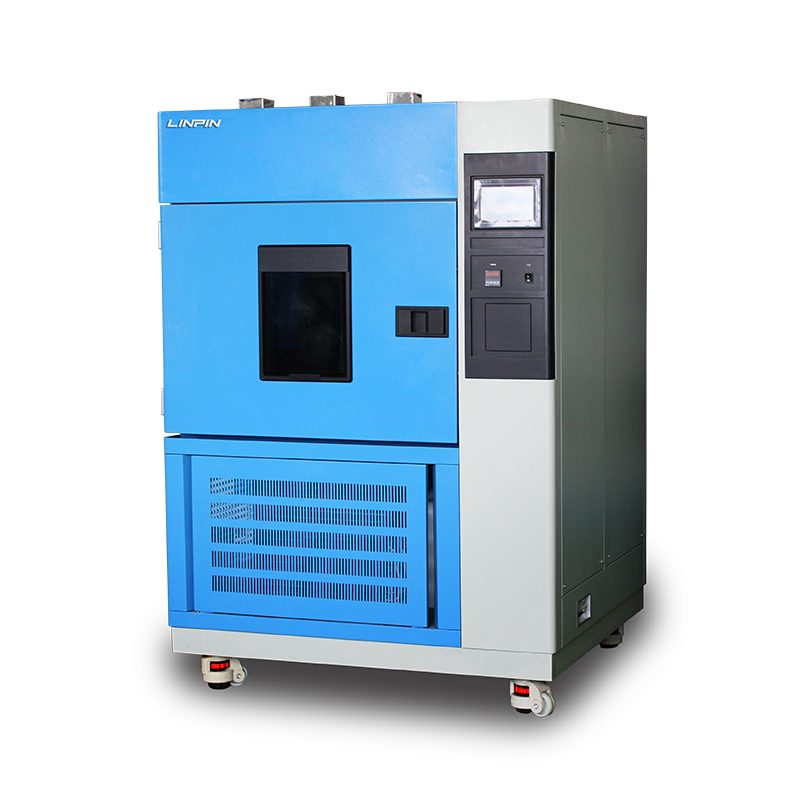
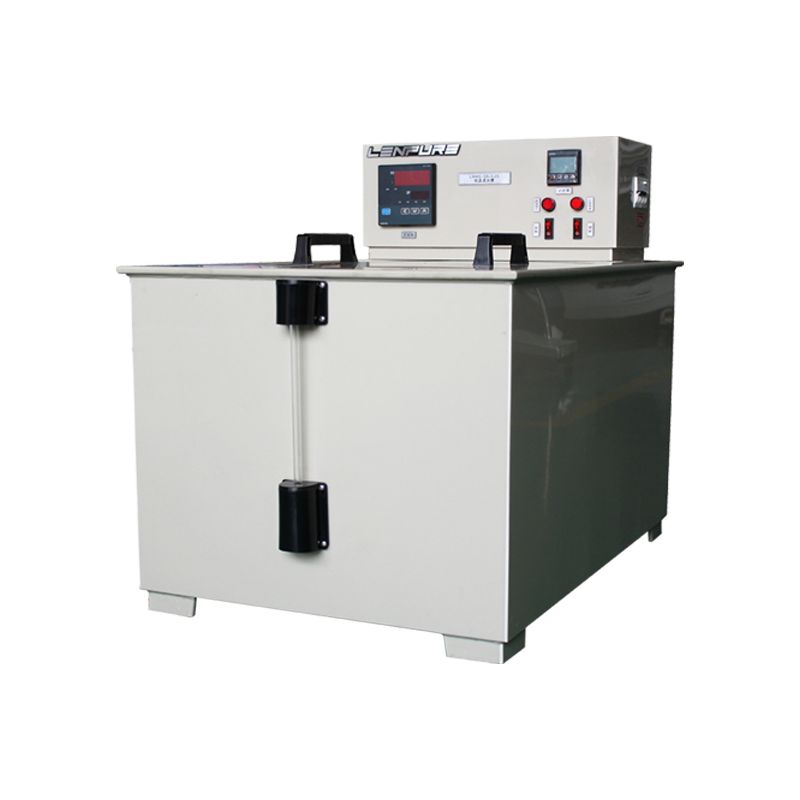
A salt spray test chamber is an artificial environmental simulation device used to test the corrosion resistance of products. It evaluates the degree of corrosion on materials or products by exposing them to a simulated salt spray environment. Specific chemical reagents are used during the simulation, and the reactions—or damage levels—are observed and precisely recorded to minimize harm after testing. For example, pipelines laid in seawater require chemical plating technology to slow corrosion rates. The function of salt spray equipment is somewhat similar to chemical plating technology. The salt spray test chamber treats the surfaces of different materials, such as applying anti-corrosion coatings or rust inhibitors, before proceeding with further testing.

Since it is manually operated, the salt spray test chamber saves manpower, resources, and time compared to natural environment testing while also improving data accuracy. Due to its convenience, salt spray test chambers have developed more testing varieties in recent years, with enhanced precision. Currently, the most common salt spray tests can be divided into the following three types, each with different applicable categories:
① **Neutral Salt Spray Test (NSS)**
This is the most widely used method. It involves adjusting the pH of a specific solution to a suitable range while maintaining a constant test temperature.
② **Acetic Acid Salt Spray Test (AASS)**
This is an advanced version of the neutral salt spray test. A chemical reagent is added to make the solution acidic, and after the test, the salt spray formed by the reaction undergoes changes.
③ **Copper-Accelerated Acetic Acid Salt Spray Test (CASS)**
This is a newer type of corrosion test, with a higher temperature than the neutral salt spray test. A small amount of copper salt (copper chloride) is added to the salt solution to accelerate the chemical reaction.
In comparison, the CASS test produces results faster than the other two. Although there are various types of salt spray tests, the appropriate one should be selected based on actual needs to avoid resource waste.









Copyright © 2025 Shanghai Linpin Instrument Co., Ltd Copyright
| ICP Number:Shanghai ICP Record No. 12029585-7
| Sitemap






 EN
EN
 中文
中文 Pусский
 Tiếng Việt
 ภาษาไทย
 پاکستانی زبان


组件紫外试验箱.png)