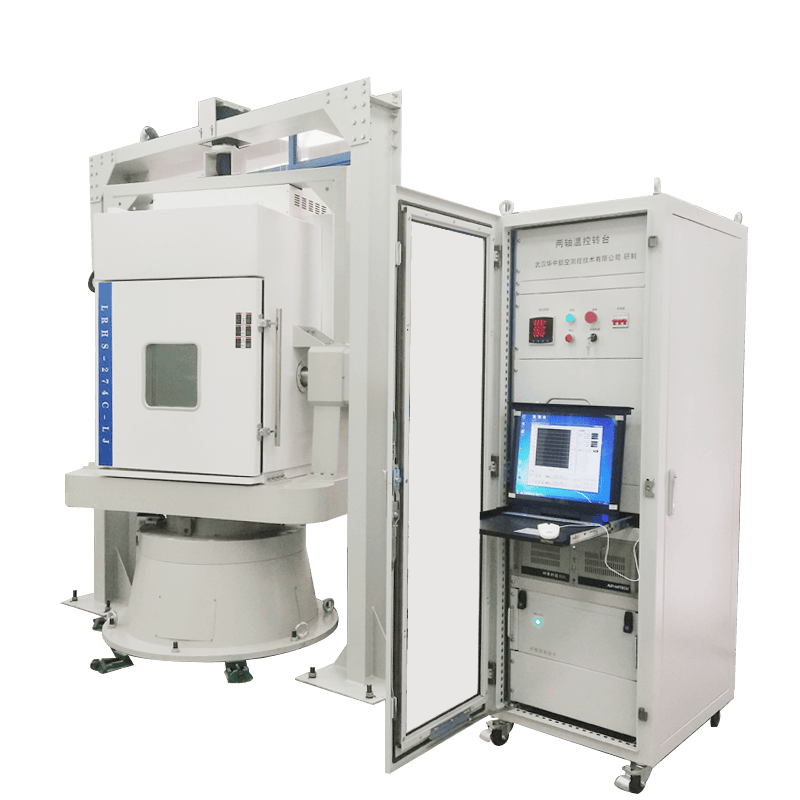
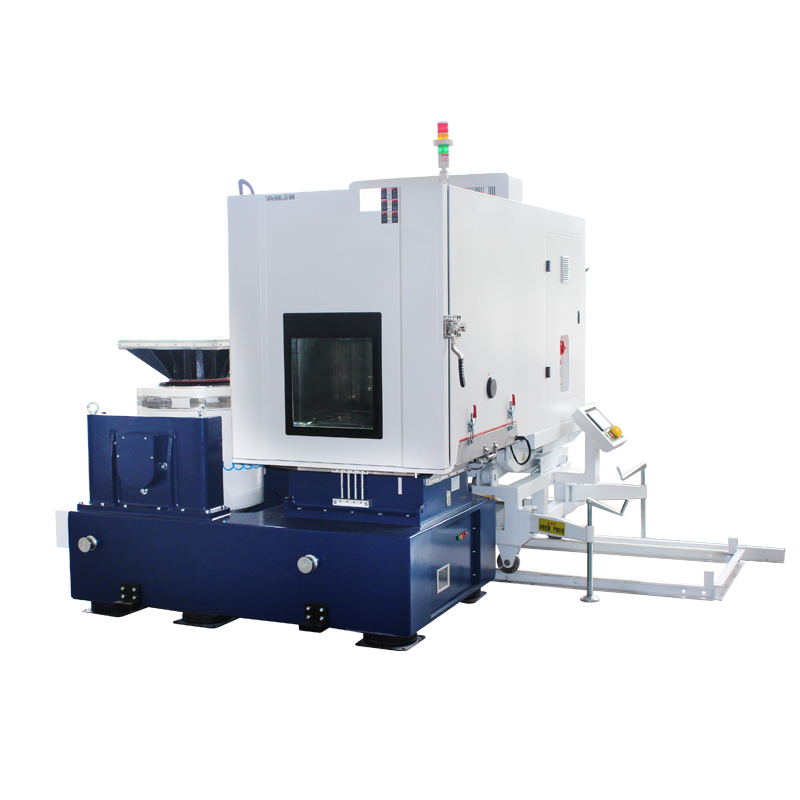
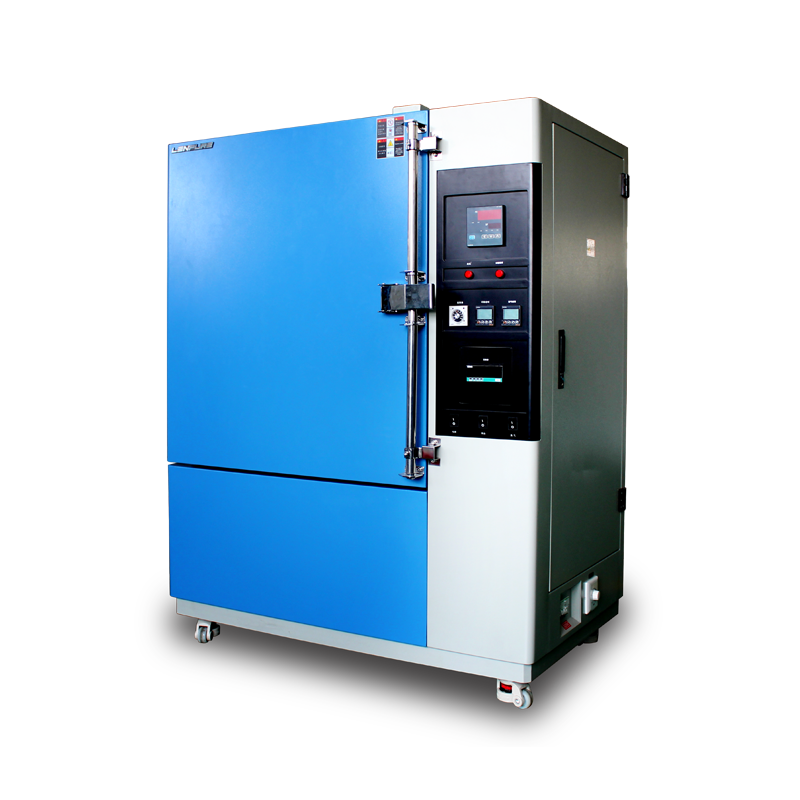
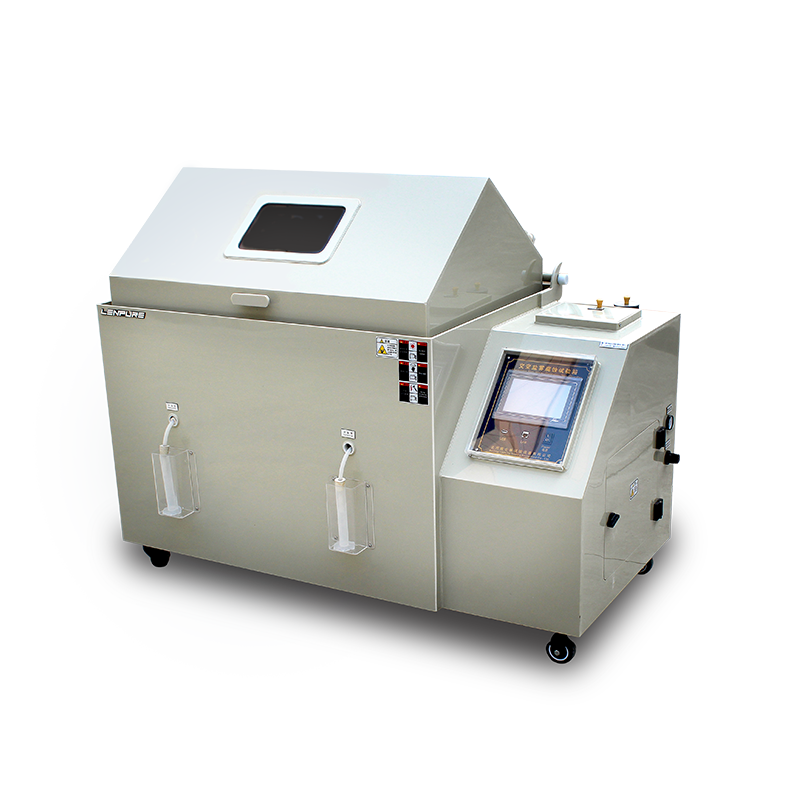
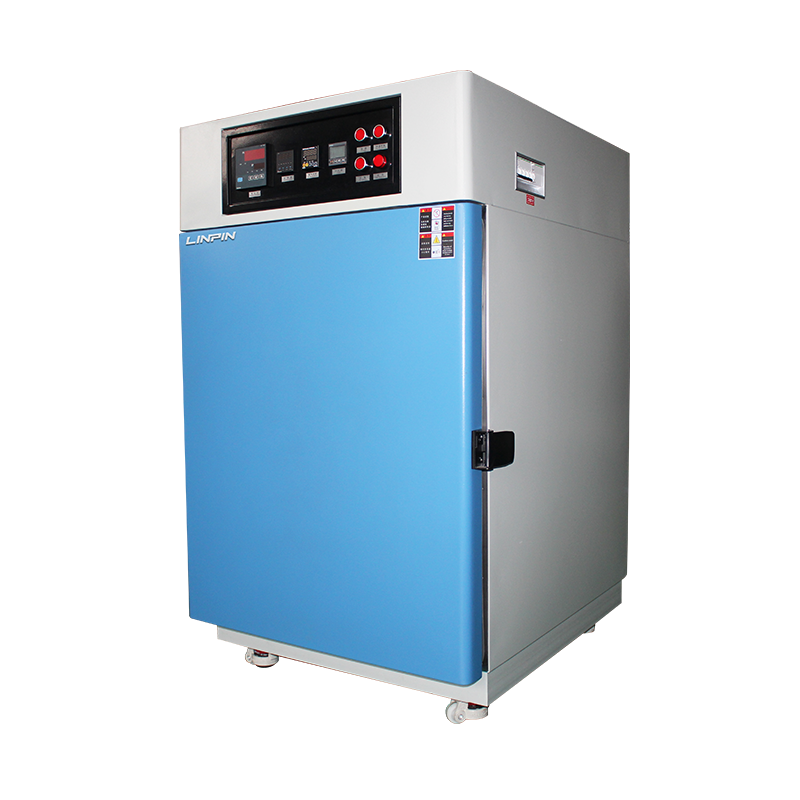
Given that the high and low temperature alternating humidity test chamber is a precision environmental simulation device with relatively high procurement costs and a complex, sophisticated technical structure, to ensure long-term stable operation and fully realize its technical value, operators must commit to memory and strictly implement all precautions contained in these specifications. Only in this way can optimal protection of the equipment be achieved, allowing the instrument to continuously perform at maximum efficiency within its expected service life, providing reliable assurance for product quality testing.
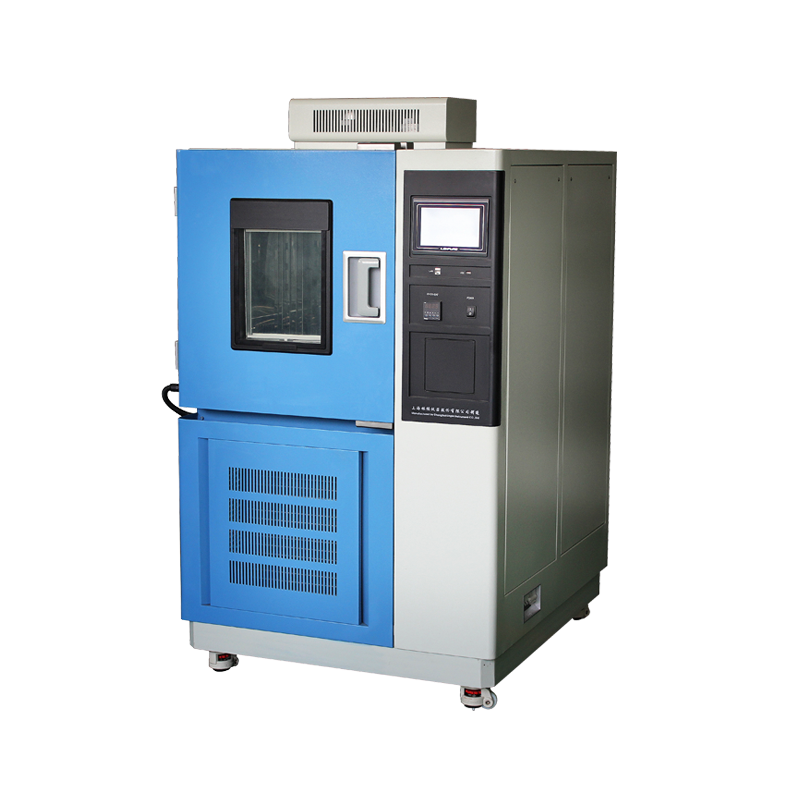
As an advanced environmental reliability testing device, this equipment can accurately simulate three independent or combined climatic conditions—high temperature, low temperature, and humidity—within a single test chamber. To achieve high-precision control of temperature and humidity parameters, the device employs a high-precision microcomputer touch-control temperature and humidity control system, integrated with an air velocity circulation regulation system. This ensures that the temperature and humidity field distributions in all test zones within the chamber are more accurate, stable, and uniform, guaranteeing the repeatability and comparability of test data and meeting the technical requirements of domestic and international standards such as GB/T 2423 and IEC 60068.
It is well known that temperature and humidity, as critical environmental stress factors, have significantly different mechanisms of impact on the physical and chemical properties of product materials. Specifically, to scientifically evaluate the tolerance capabilities, failure modes, and limit parameters of test materials or product structures under continuous changes from extreme high to extreme low climatic conditions, traditional natural exposure testing often requires months or even years. However, with the high and low temperature alternating humidity test chamber, users simply need to place the test sample inside the chamber, without relying on external seasonal climate changes. Through program-controlled rapid temperature and humidity cycling, the chemical reactions and physical deformations caused by material thermal expansion and contraction effects can be reproduced in a very short time, greatly shortening product development cycles and improving reliability verification efficiency.
1. Fault Diagnosis and Maintenance Specifications
When any precision instrument equipment exhibits abnormal conditions during operation, its potential risks must not be overlooked. When the equipment issues a fault alarm or performance anomaly, and on-site operators have not received professional training nor possess fault traceability analysis capabilities, disassembling any component of the test equipment is strictly prohibited. Such non-standard operations not only fail to accurately identify the root cause of the fault or effectively solve the problem, but also can very easily cause secondary damage due to improper handling, such as electrostatic breakdown of circuit boards, mechanical damage to sensors, refrigerant leakage in the cooling system, or pipeline contamination. This can cause maintenance costs to increase exponentially and may even result in irreparable permanent damage. The correct handling procedure should be: detailed recording of fault phenomena and alarm codes → immediate contact with the equipment manufacturer or authorized service provider → basic inspection under the guidance of professional engineers via remote assistance → on-site maintenance service appointment when necessary.
2. Standard Operating Procedure After Low Temperature Testing
When the test program transitions from the low temperature segment to other operating conditions, equipment operational status management becomes particularly critical. If a low temperature exposure test has just been completed (typically referring to temperatures below 0°C), it is recommended to adjust the equipment temperature setpoint to 60°C and initiate a drying operation program, running continuously for no less than 30 minutes. The core purpose of this processing step is to fully evaporate residual moisture inside the chamber through medium-temperature drying, ensuring that the evaporator fin surfaces are free from frost or ice formation. Only after the drying program is completed may the test chamber door be opened for sample replacement or chamber cleaning operations. Strict implementation of this procedure can effectively prevent adverse conditions such as decreased cooling efficiency due to evaporator ice blockage, attenuated dehumidification capacity, and temperature fluctuation and uniformity exceeding tolerance limits during subsequent testing, as well as unstable test cycles.
3. Safety Prohibitions During Test Operation
During automatic test operation according to preset programs, operators are absolutely prohibited from opening the test chamber door for any reason, except for emergency situations where samples exhibit combustion, explosion, intense smoking, or other conditions that endanger equipment and personal safety. The safety considerations are based on the following multiple risks:
1. High Temperature Burn Risk: When the equipment is operating in the high temperature segment (such as 85°C, 150°C, or even higher), the air temperature inside the chamber far exceeds human tolerance limits. If the door is opened rashly at this time, high-temperature, high-velocity airflow will instantly surge out, and operators’ exposed areas such as the face and hands are highly susceptible to severe thermal burns.
2. Fire Safety Hazard: For certain materials undergoing high temperature and humidity testing (such as plastic products or composite materials), suddenly opening the door causes a large influx of oxygen, which may trigger abnormal combustion of the materials. Additionally, high-temperature air contacting external combustible materials can also constitute an ignition source, presenting a clear fire initiation risk.
3. Compressor System Damage: Frequently opening the chamber door during test cycles will cause instantaneous imbalance of the temperature and humidity environment inside the chamber. To quickly restore setpoint values, the control system will force the compressor to operate under overload conditions. Particularly when the door is opened during the low temperature segment, introducing humid and hot air will cause a sudden increase in compressor suction pressure, increased risk of liquid slugging, and lubricating oil emulsification. Over the long term, this will significantly shorten the service life of the compressor and increase equipment energy consumption and failure rates.
In summary, every unnecessary door opening operation will compromise test continuity and data integrity, while simultaneously causing cumulative damage to core equipment components. To ensure the scientific validity of test results and the reliability of equipment assets, operators must strictly adhere to the ironclad rule of “keeping the chamber door closed during test operation.”
4. Daily Maintenance and Long-Term Management Recommendations
In addition to the aforementioned critical operation specifications, it is recommended to establish an equipment operation logging system, recording parameters for each test, operating duration, and any abnormal phenomena. Temperature and humidity sensors should be calibrated regularly (recommended every 12 months). Maintain good ventilation in the equipment’s surrounding environment, with room temperature controlled within the 5-35°C range. For long-term shutdown periods, power should be disconnected, the chamber interior walls cleaned, and the door left open for ventilation to prevent mold growth.
Through systematic and standardized operation management and preventive maintenance, the high and low temperature alternating humidity test chamber will continue to provide precise and reliable technical support for your quality verification system, maximizing the return on equipment investment.


25.04








Copyright © 2025 Shanghai Linpin Instrument Co., Ltd Copyright
| ICP Number:Shanghai ICP Record No. 12029585-7
| Sitemap






 EN
EN
 中文
中文 Pусский
 Tiếng Việt
 ภาษาไทย
 پاکستانی زبان