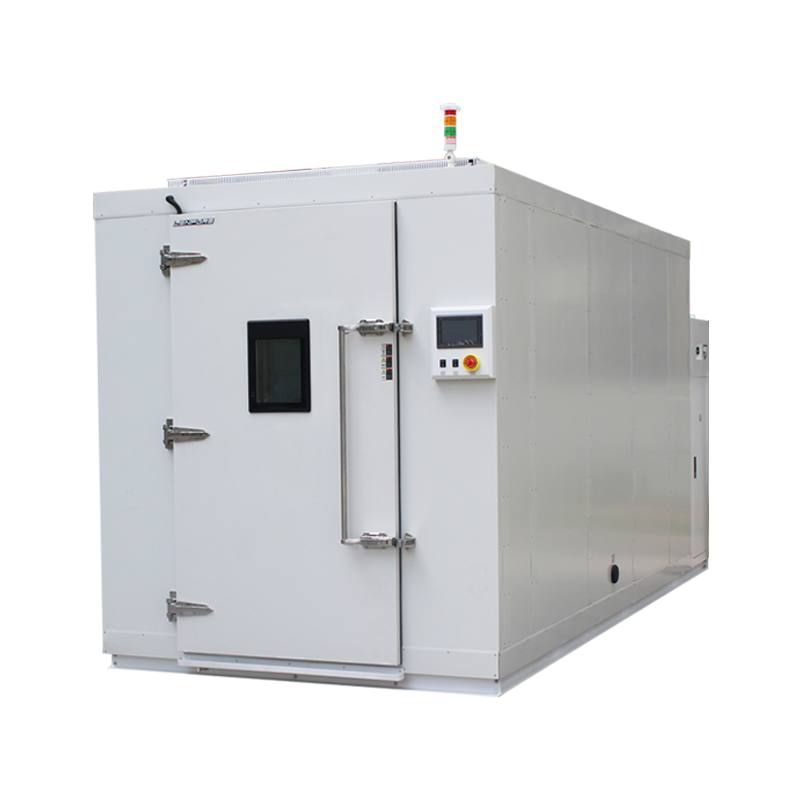
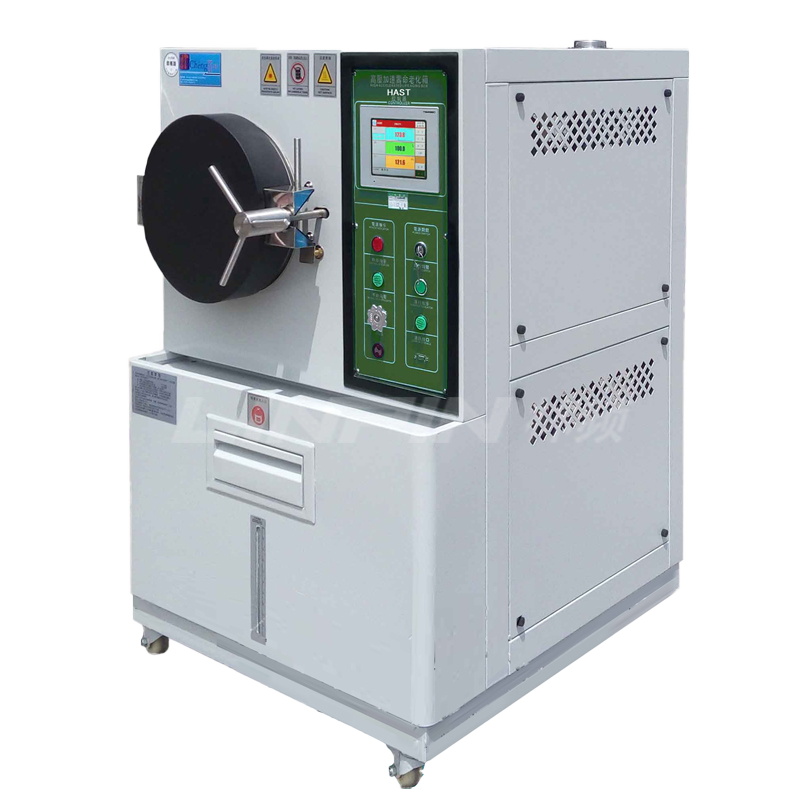
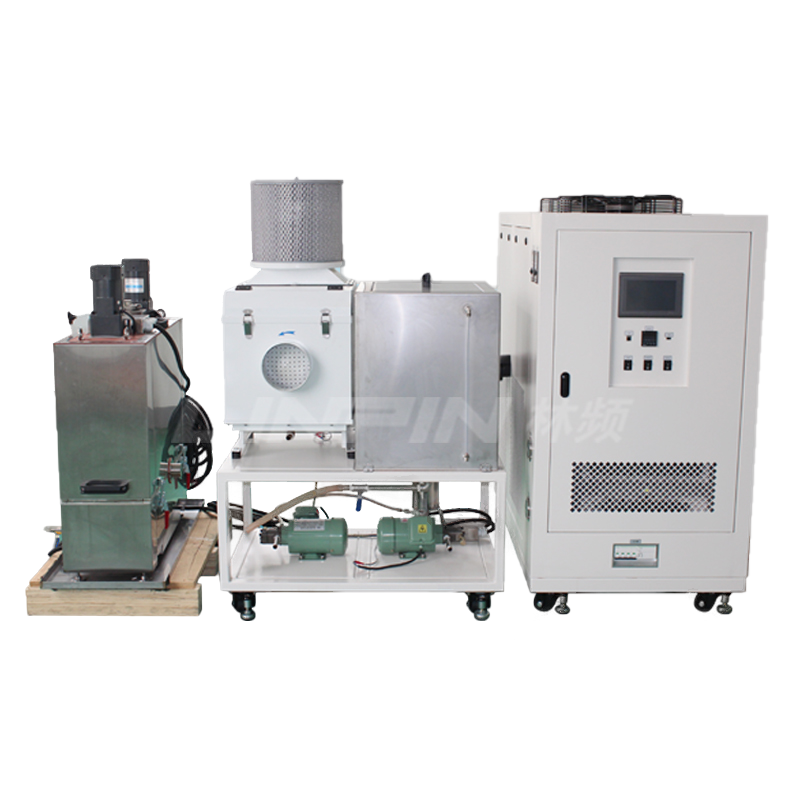
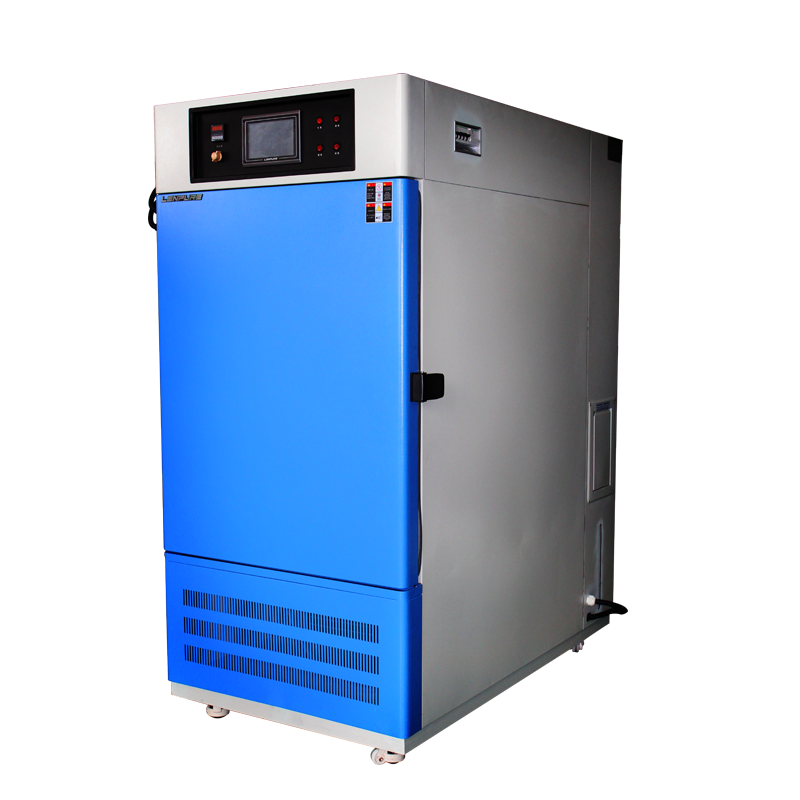
The high and low temperature test chamber is a high-precision instrument. Operators must strictly follow the procedures during use, and regular maintenance is essential. Improper operation or lack of maintenance can lead to malfunctions, affecting work progress. Since the high and low temperature test chamber is a detection device composed of multiple systems, troubleshooting requires a comprehensive understanding of the equipment to quickly identify and resolve issues. Below are practical solutions for common faults.
1. Slow or No Cooling
If the cooling speed is slow or fails entirely, inspect the refrigeration system. Check whether the compressor is damaged, whether the circuit is abnormal, whether the refrigerant is depleted or leaking, and whether the pipelines are clogged. Perform targeted repairs or replacements. If the condenser is frosted or frozen, apply a heating method to evaporate the ice before normal use.
2. Heating or Humidification Issues
For heating or humidification problems, inspect the heating wires, humidification tubes, or corresponding solid-state relays for damage and take appropriate measures.

3. Difficulty Opening the Chamber Door
In rainy seasons or humid environments, moisture on the door and sealing strips can cause air expulsion, creating a pressure difference that makes the door hard to open. Clean the door and sealing strips or apply a lubricant such as talcum powder to reduce moisture adhesion.
4. Failure to Power On
If the test chamber does not start after pressing the power button, check whether the voltage is stable and whether the circuit is properly connected or faulty. An electrician should resolve such issues. Additionally, the compressor has temperature requirements—if the ambient temperature is below 5°C in winter, use air conditioning or heating devices to ensure proper operation.
5. Increased Noise
Noise issues are common in test chambers. Inspect the motor, fan, and compressor, and tighten any loose screws.
If the above troubleshooting methods do not resolve the issue, contact the manufacturer or a professional technician for further assistance.

25.03






Copyright © 2025 Shanghai Linpin Instrument Co., Ltd Copyright
| ICP Number:Shanghai ICP Record No. 12029585-7
| Sitemap






 EN
 中文
 Pусский
 Tiếng Việt
 ภาษาไทย
 پاکستانی زبان