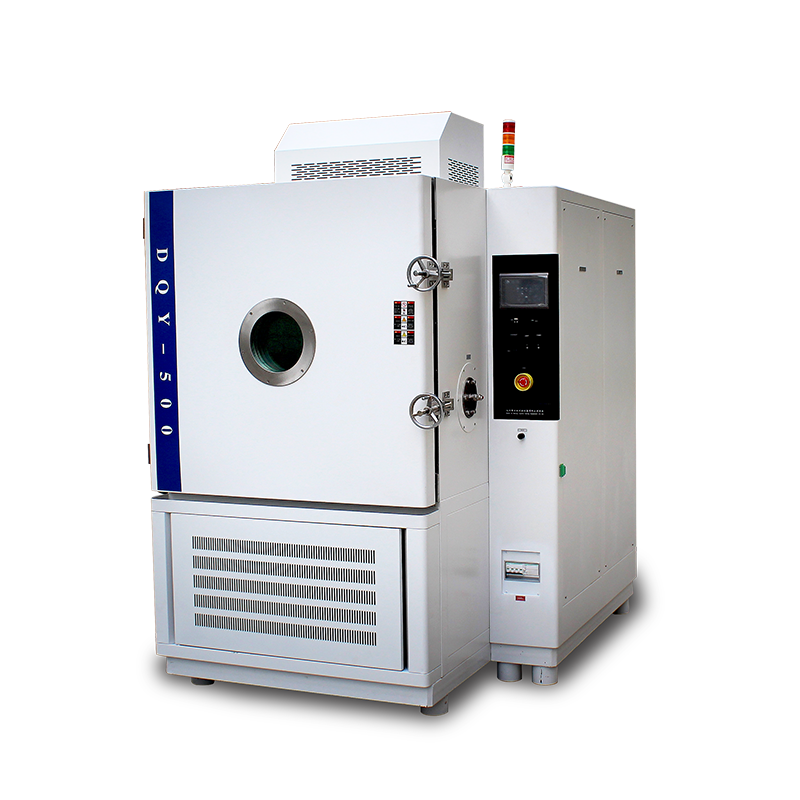
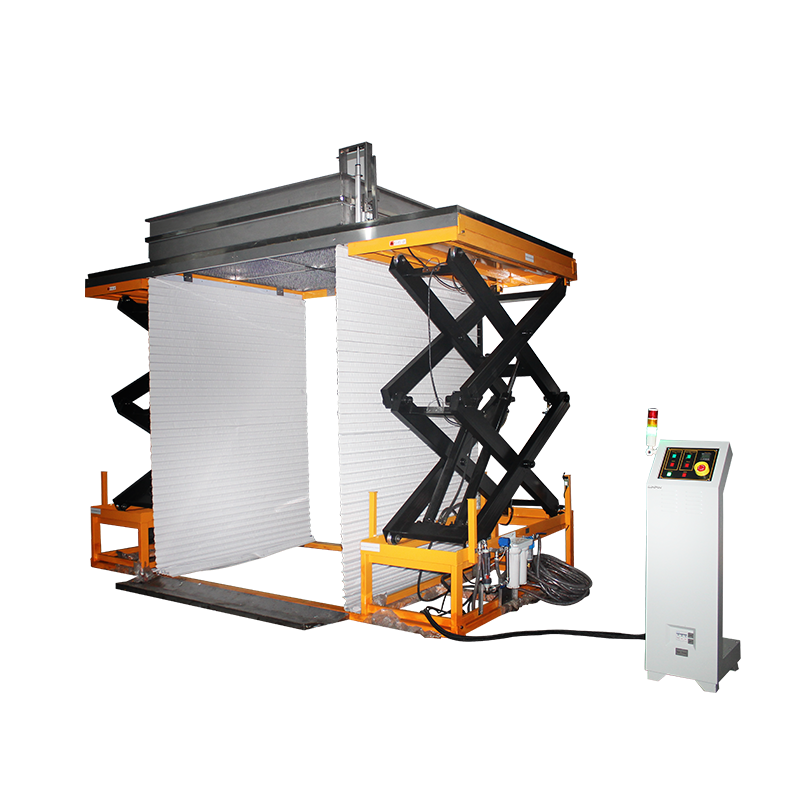
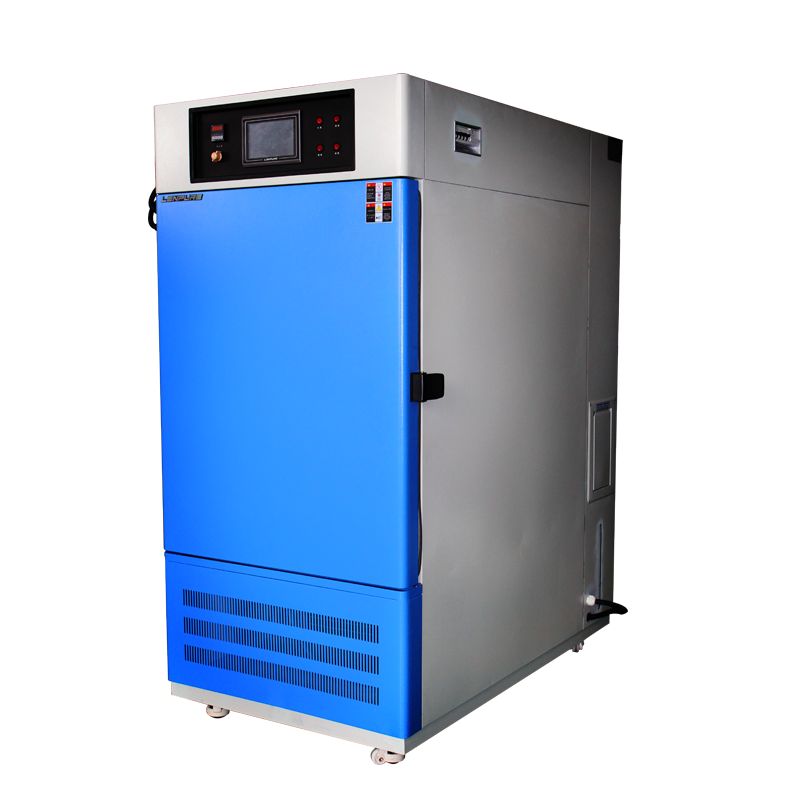
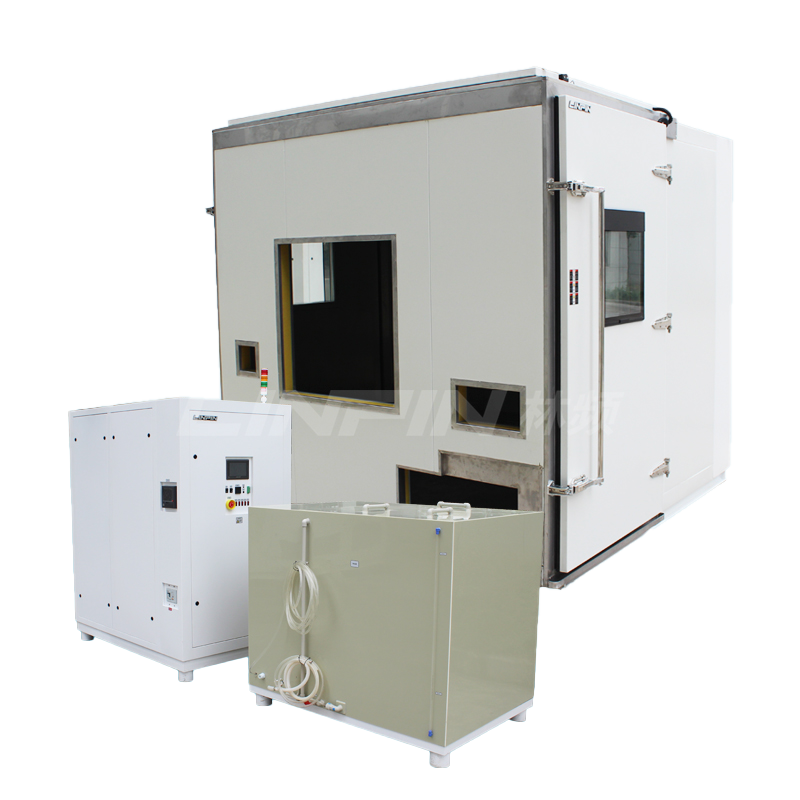
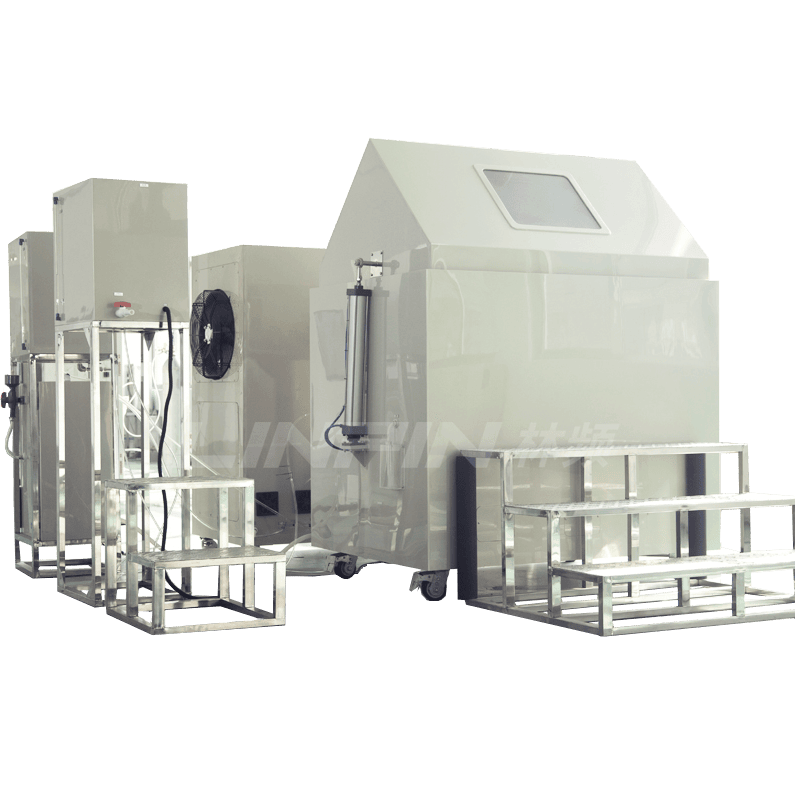
Sensors can influence the accuracy of high- and low-temperature shock test chambers. What specific roles do sensors play in these test chamber devices? You can gain a simple understanding through the following article.
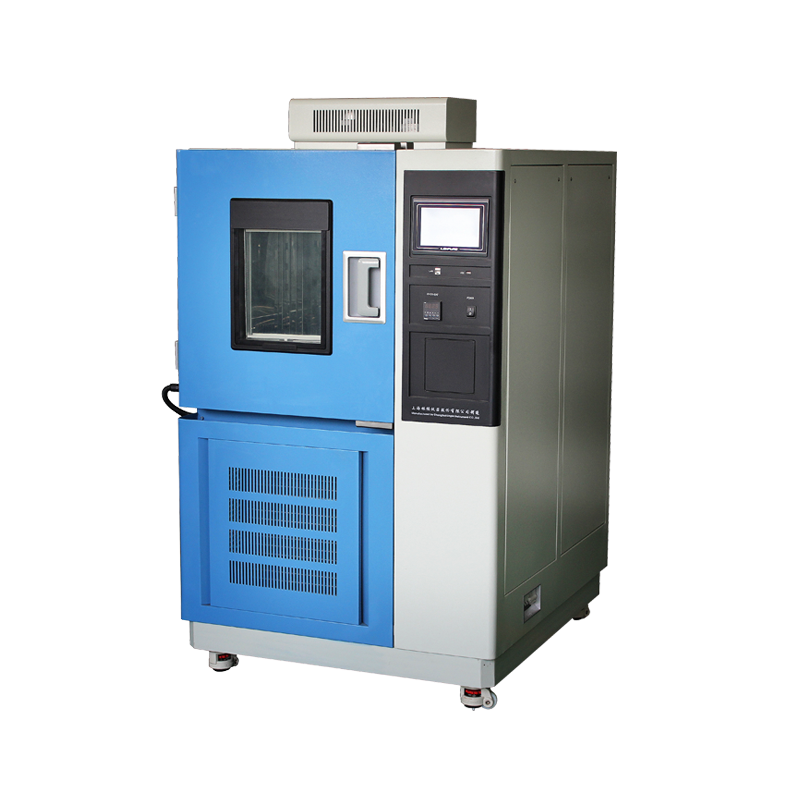
The basic concept of precise detection by sensors in high- and low-temperature shock test chambers is as follows: In contact-type temperature measurement instruments, thermocouples and resistance temperature detectors (RTDs) are commonly used electronic devices for detecting temperature. The foundation of thermocouple temperature measurement is the thermoelectric effect. A thermocouple, in conjunction with an electrical measuring instrument, can accurately measure the temperature being tested. It is a temperature sensor electronic component that can convert a temperature signal into a thermoelectric potential difference signal. When two junctions, a and b, are at different temperatures, c and d, and are formed by two different materials, a closed circuit is created. A certain thermoelectric potential difference will be generated in the control circuit of this loop, which is known as the “Seebeck effect”. The wires a and b are referred to as thermoelectric elements, with the high-temperature end (c) called the working end (usually arc-welded together) and the low-temperature end (d) called the free end (typically maintained at a constant and stable temperature). Based on the relationship between temperature and the thermoelectric potential difference, a measurement range table for the thermocouple can be calculated. A detection range table is provided according to the standard where the free end temperature d = 0°C, and different types of thermocouples have different calibration tables. If a third metallic material is connected to the thermocouple circuit, when the temperatures at the two junctions connected by the second metallic material are the same, the thermoelectric potential difference generated by the thermocouple will remain unchanged and thus will not be affected by the connection of the third metallic composite material in the control circuit. Therefore, during thermocouple temperature detection, the measuring instrument can be connected. After measuring the thermoelectric potential difference, the temperature of the substances inside the test chamber can be determined.
That concludes the introduction to the role of sensors in high- and low-temperature shock test chambers. For a more in-depth understanding of the equipment, you can continue to visit the Linpin Instruments website to read relevant technical articles or consult the online customer service.









Copyright © 2025 Shanghai Linpin Instrument Co., Ltd Copyright
| ICP Number:Shanghai ICP Record No. 12029585-7
| Sitemap






 EN
EN
 中文
中文 Pусский
 Tiếng Việt
 ภาษาไทย
 پاکستانی زبان