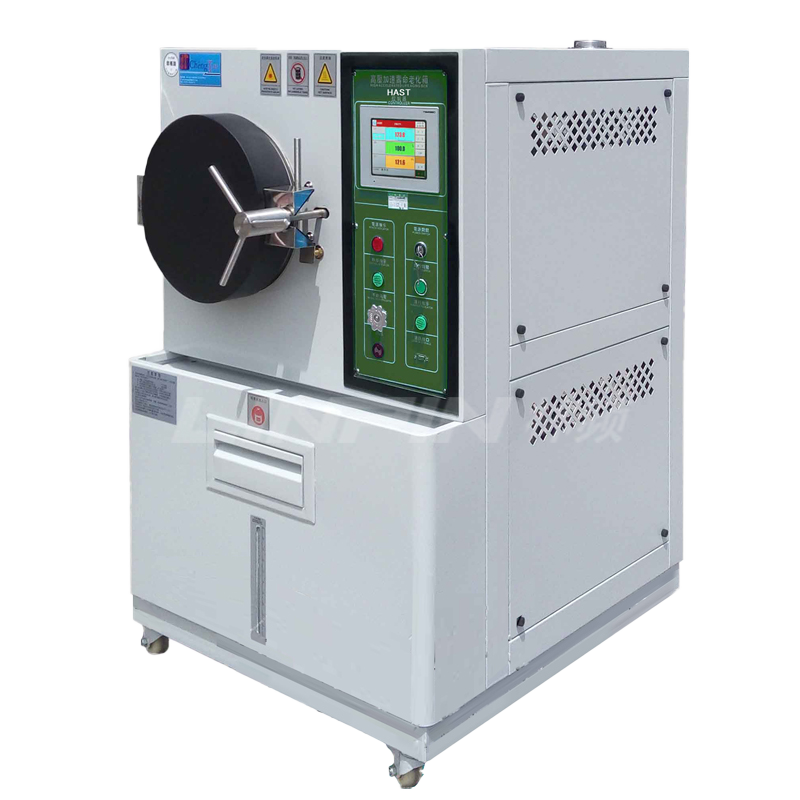
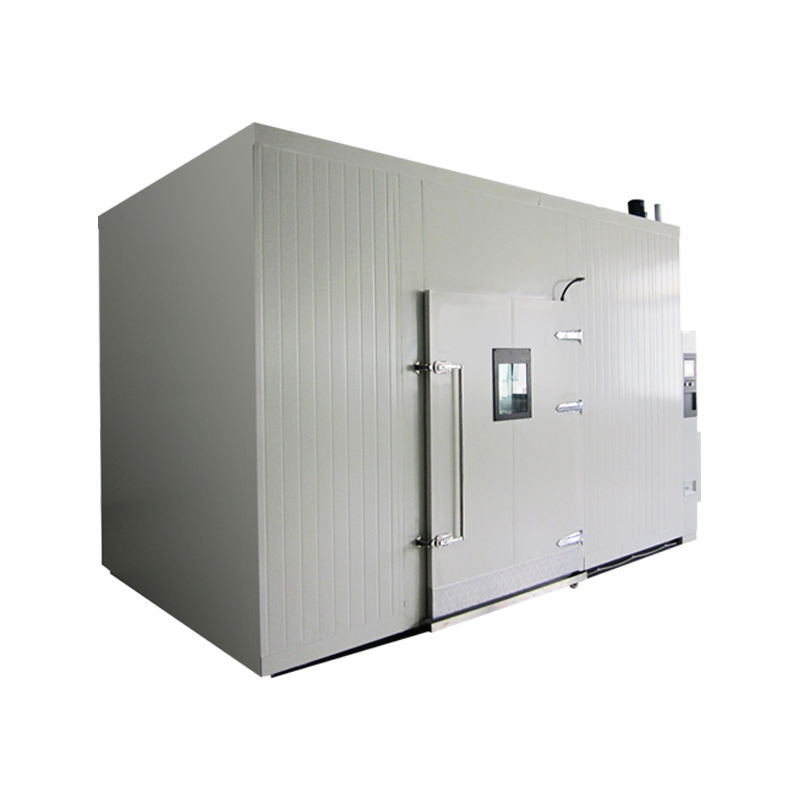
A high-temperature test chamber simulates extreme heat environments to evaluate the performance and parameters of various materials or products under such conditions. Since the equipment must handle high temperatures, its heating method is a crucial aspect. Currently, these chambers primarily use two heating methods, which we will explore below.
1. Ceramic Heating Elements
Ceramic heating elements are made by sintering an electric heating body with ceramic material at high temperatures, forming a fixed heating component. These elements adjust their resistance based on temperature, allowing them to maintain a stable set temperature.

Advantages:
Easier temperature control
Higher heat transfer efficiency compared to electric heating tubes
2. Electric Heating Tubes
Electric heating tubes consist of a spiral resistance wire encased in a metal tube filled with crystalline magnesium oxide powder. When electricity flows through the resistance wire, heat is generated and transferred through the magnesium oxide powder to the metal tube’s surface, then dispersed into the air or onto the heated object.
Advantages:
Longer lifespan because the resistance wire is not exposed to air
Conclusion
Both heating methods have their strengths. Ceramic heaters offer better temperature control and are more cost-effective, while electric heating tubes excel in durability and performance.
The choice of heating method depends on the specific requirements of the test materials. High-temperature test chambers are widely used in industries such as electronics, automotive parts, chemical materials, construction materials, and scientific research to evaluate heat resistance, dry heat endurance, and other properties.
When selecting a heating method, customers should consider the characteristics of the test materials to optimize testing efficiency and equipment performance.
For more information, visit Linpin Instruments for the latest updates.

25.03

25.08





Copyright © 2025 Shanghai Linpin Instrument Co., Ltd Copyright
| ICP Number:Shanghai ICP Record No. 12029585-7
| Sitemap






 EN
EN
 中文
中文 Pусский
 Tiếng Việt
 ภาษาไทย
 پاکستانی زبان