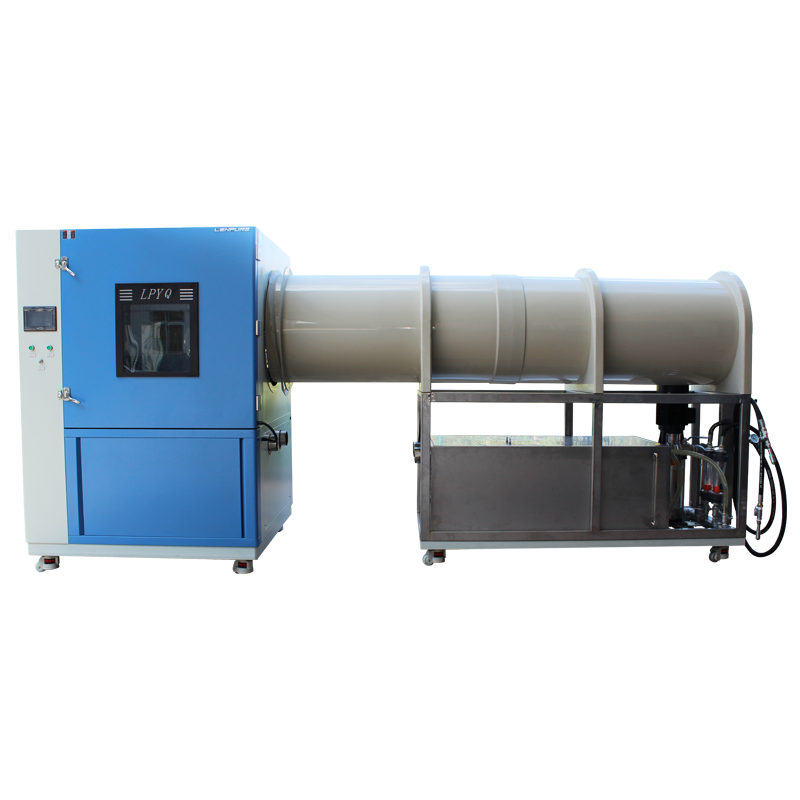
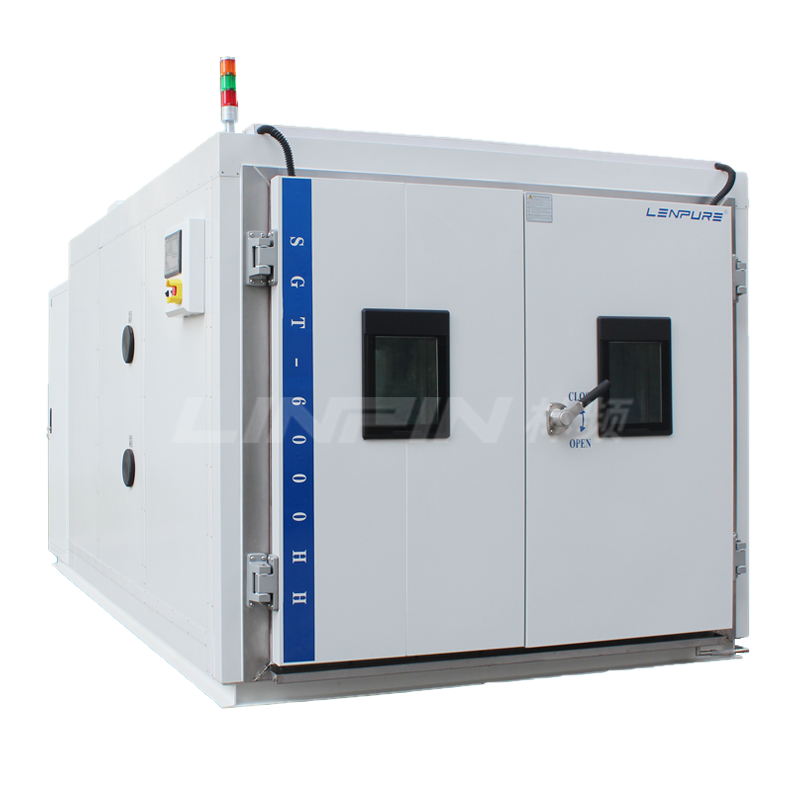
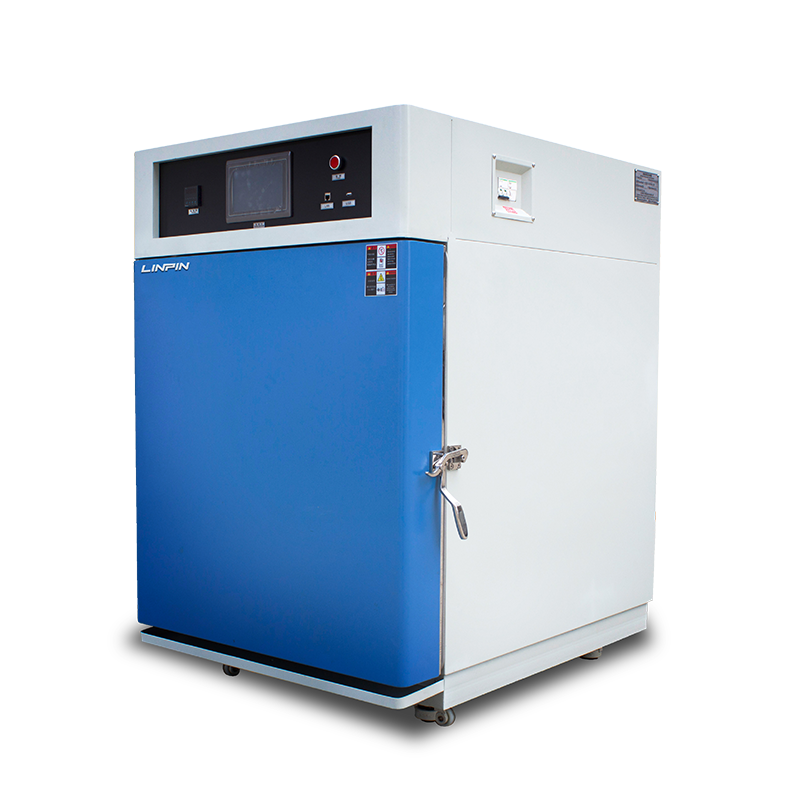
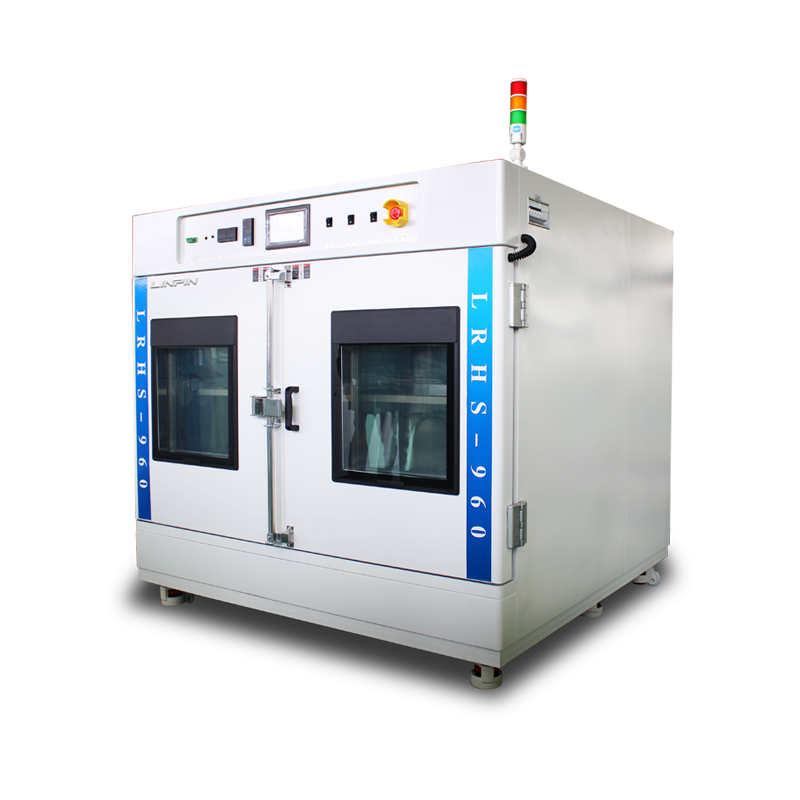
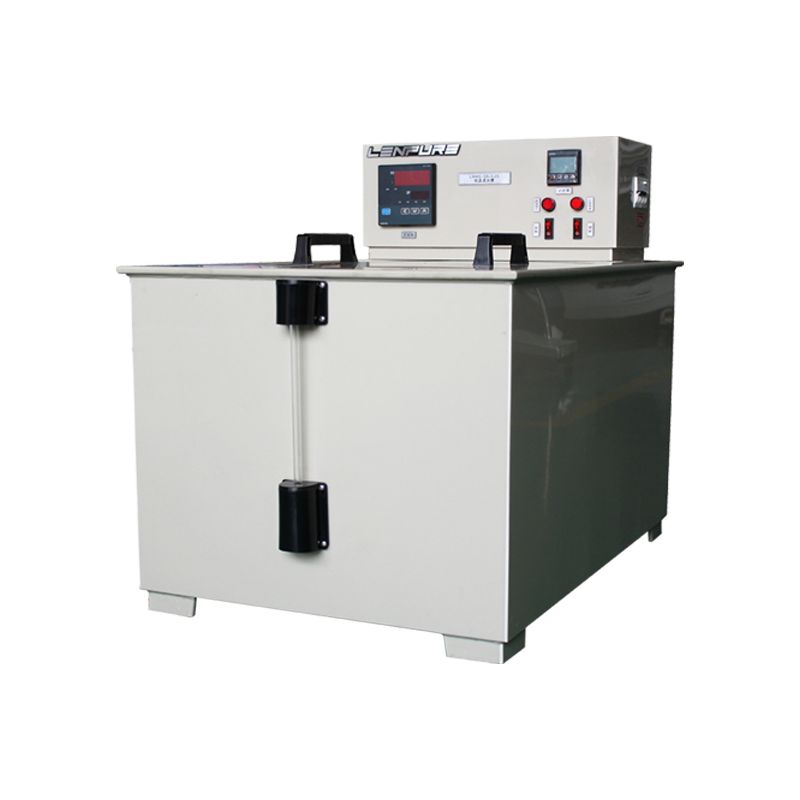
For manufacturers in the environmental testing industry, competition in the high and low temperature alternating test chamber sector presents both risks and opportunities. Healthy competition is beneficial for the sustainable development of the industry, as it drives natural selection—only the fittest survive. In this context, competition is innocent, and innovation is justified. Only enterprises with competitive advantages can thrive in the long run.
However, the competition in this industry has also led to some undesirable trends. Many companies, in an effort to maintain or expand their market share, neglect technological R&D and innovation, instead resorting to price wars by continuously lowering prices. This results in a single, unhealthy competitive strategy, making it difficult for customers to purchase cost-effective equipment. In the long run, such practices harm the overall development of the environmental testing industry.

Companies should adopt a healthy competitive approach—embracing technological innovation, improving equipment quality, and optimizing internal management to adapt to market changes. Currently, competition in the high and low temperature alternating test chamber industry is intensifying. Only through continuous innovation and transformation can enterprises sustain long-term development in this survival-of-the-fittest market.
Moreover, advancements in technology and equipment performance can enhance a company’s core competitiveness, gradually eliminating inferior manufacturers and steering the industry toward standardization, diversification, and large-scale development. This will promote the healthy and rapid growth of the entire environmental testing sector.
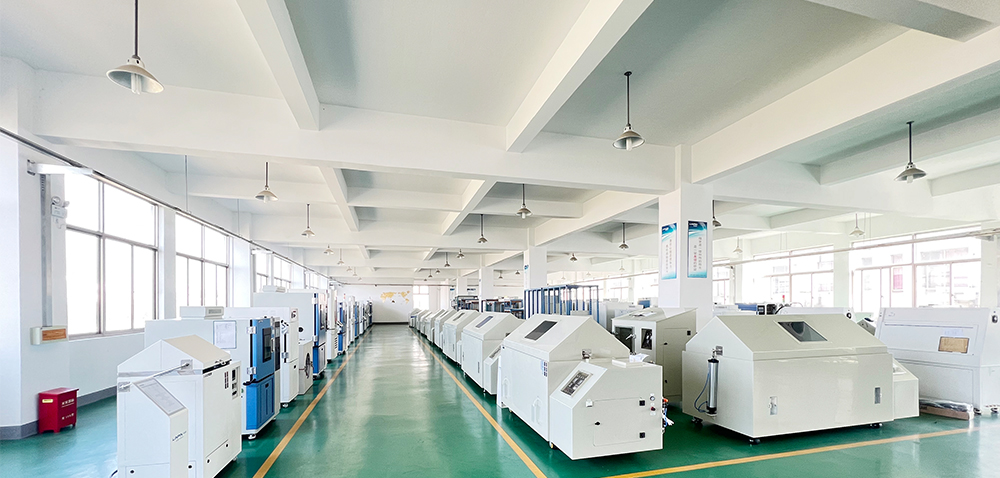
As a manufacturer of high and low temperature alternating test chambers, Linpin Instruments fully recognizes the importance of technological innovation. Over the years, we have been committed to R&D and innovation in environmental testing equipment, obtaining multiple product patents and software copyrights. Thanks to our technological and service advantages, we have earned the trust of numerous clients.
Today, we not only focus on product innovation but have also established multiple offices worldwide, along with a comprehensive after-sales service system, ensuring strong technical support for our customers. In the future, we look forward to collaborating with more clients to jointly advance the development of the environmental testing industry.









Copyright © 2025 Shanghai Linpin Instrument Co., Ltd Copyright
| ICP Number:Shanghai ICP Record No. 12029585-7
| Sitemap






 EN
EN
 中文
中文 Pусский
 Tiếng Việt
 ภาษาไทย
 پاکستانی زبان