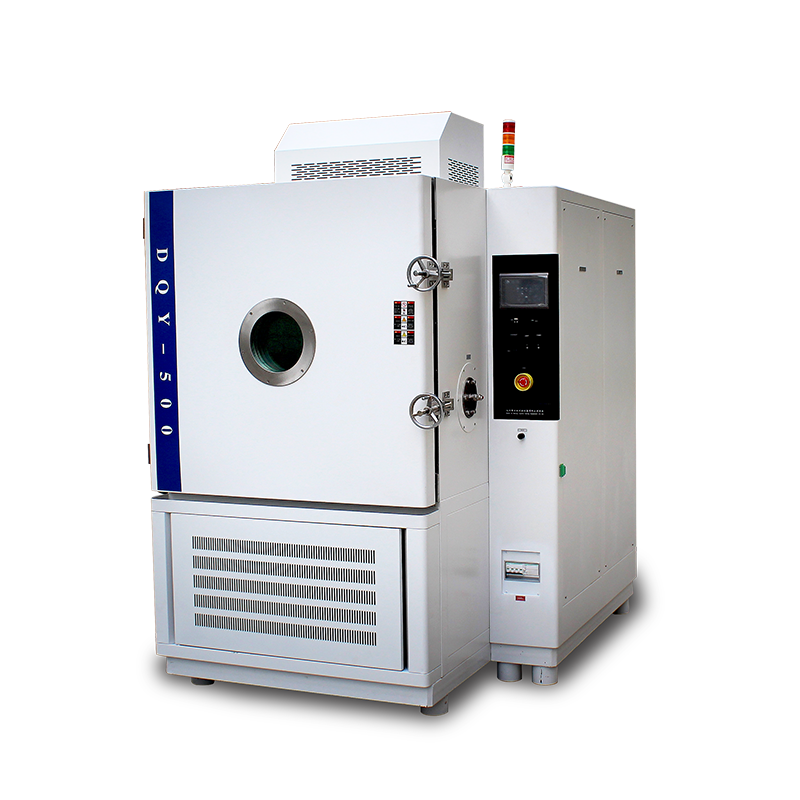
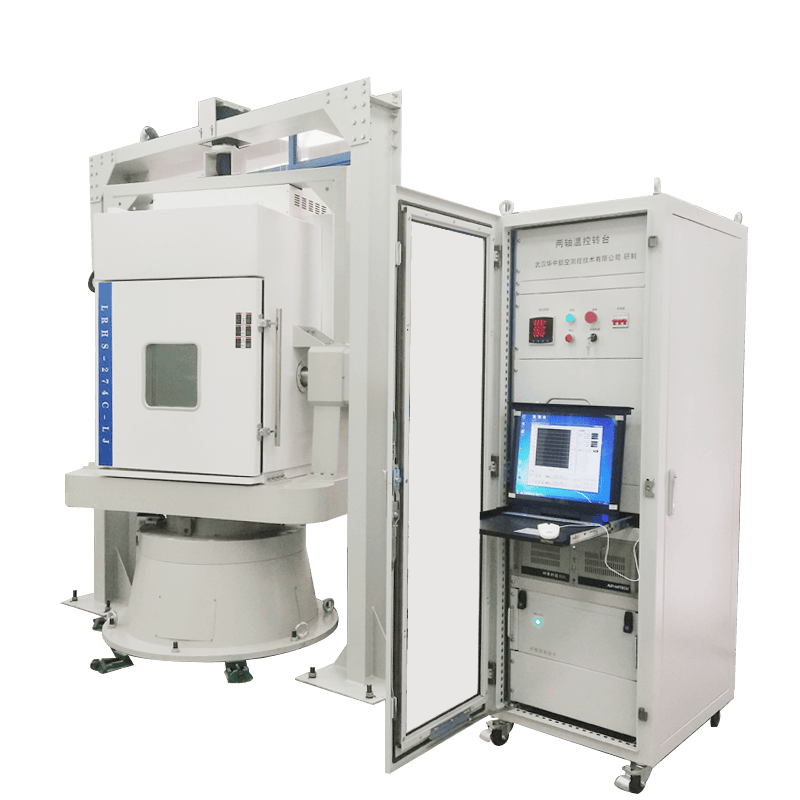
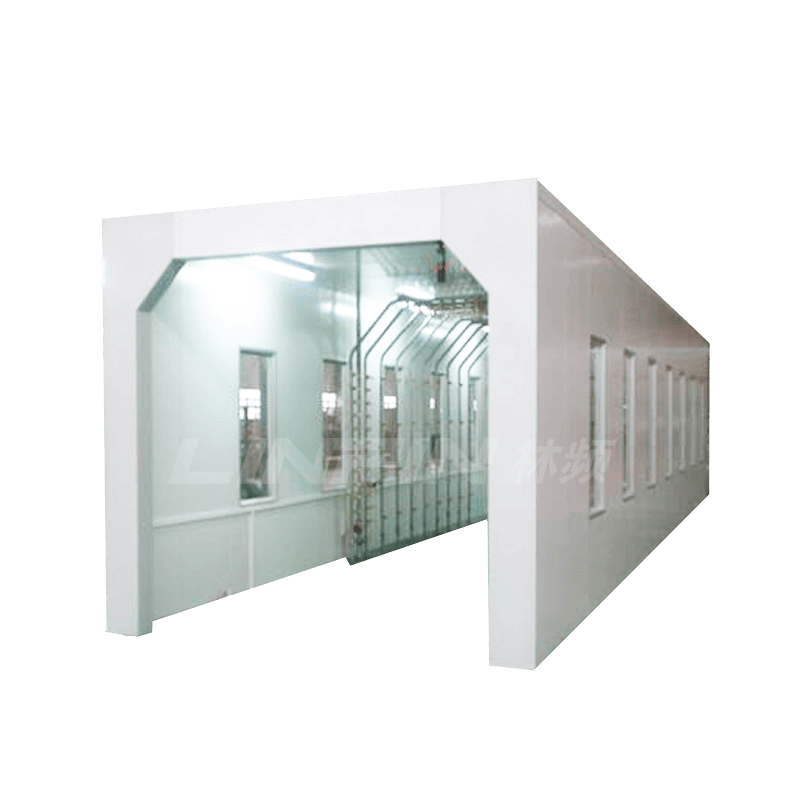
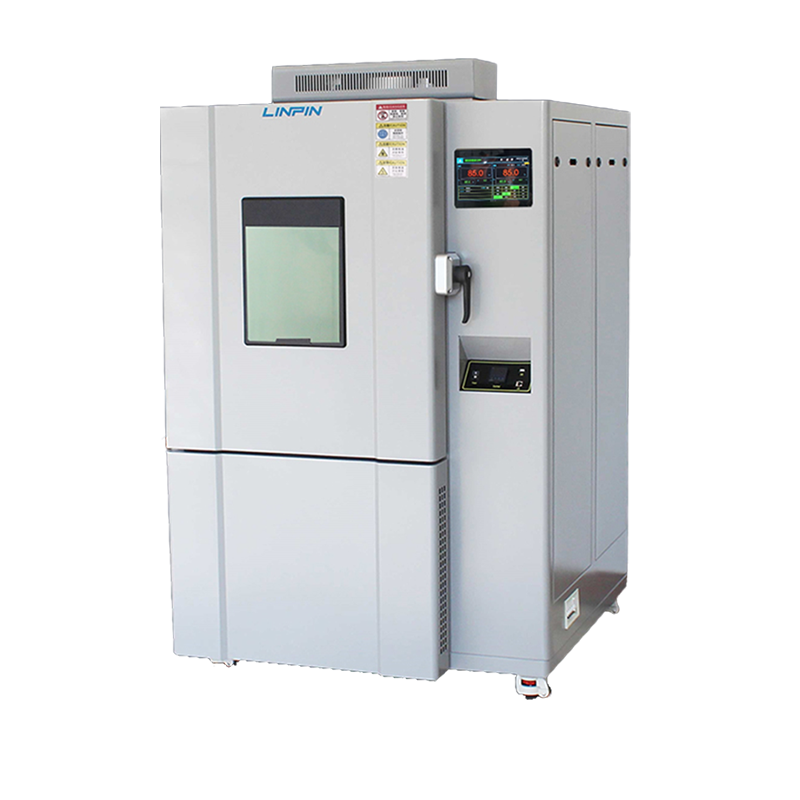
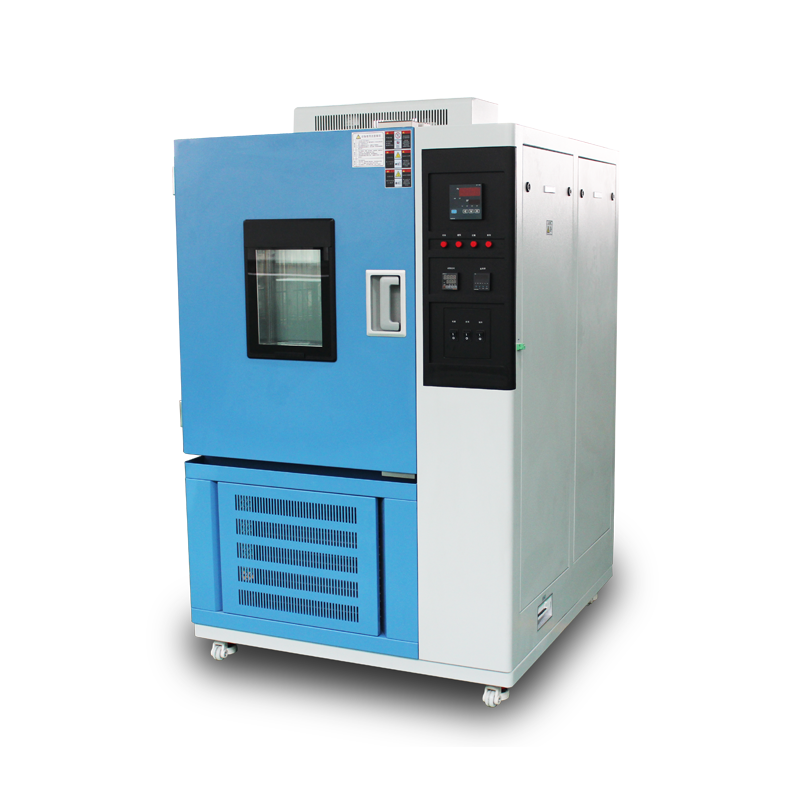
Cold and hot shock test chambers utilize high-temperature and low-temperature zones during testing. In the testing process, the two-box type of equipment involves placing the test product in the high and low-temperature zones and cycling it back and forth for inspection. In contrast, the three-box type involves blowing temperature-controlled gases from the high and low-temperature zones onto the product alternately.
However, the purpose of cold and hot shock test chambers varies at different stages of product development.
During the engineering development phase, the chamber can be used for product design and to address incomplete processes. When the product is finalized, it can serve as a reference for acceptance decisions. During environmental stress screening, it can be used to eliminate products with early failures. This categorizes the specific purposes of the testing equipment.
When selecting a test chamber, whether it is a two-box or three-box type, both can be used for testing. So, how should you choose the model?
Understand the Temperature Range of Your Test Products: Before selecting a chamber, you should clearly understand the temperature range required for your test products. When choosing a model, it is advisable to leave a temperature buffer of about 10°C. This can help prevent issues related to temperature differences in the equipment.
Communicate Your Requirements and Standards to the Manufacturer: Different standards may have different temperature requirements. Therefore, it is essential to inform the manufacturer of the specific conditions and standards that the selected model needs to meet.
Provide Detailed Information about the Test Samples: When confirming the model, clearly inform the manufacturer about the specific details of the test samples, such as whether they have a load, whether they generate heat, and their dimensions.
Specify the Duration of High and Low-Temperature Testing: Typically, the duration for high and low-temperature testing is more than half an hour. If your product requires a different duration or has specific needs, these should be communicated to the manufacturer in advance.
Cold and hot shock test chambers have high and low-temperature zones, and their temperature change capabilities are stronger than those of other instruments with similar functions. When selecting a model, the general requirements are usually related to temperature testing, product size, and shock testing. As long as you understand your product and clearly communicate your needs to the manufacturer, you will be able to select the appropriate equipment.








Copyright © 2025 Shanghai Linpin Instrument Co., Ltd Copyright
| ICP Number:Shanghai ICP Record No. 12029585-7
| Sitemap






 EN
EN
 中文
中文 Pусский
 Tiếng Việt
 ภาษาไทย
 پاکستانی زبان