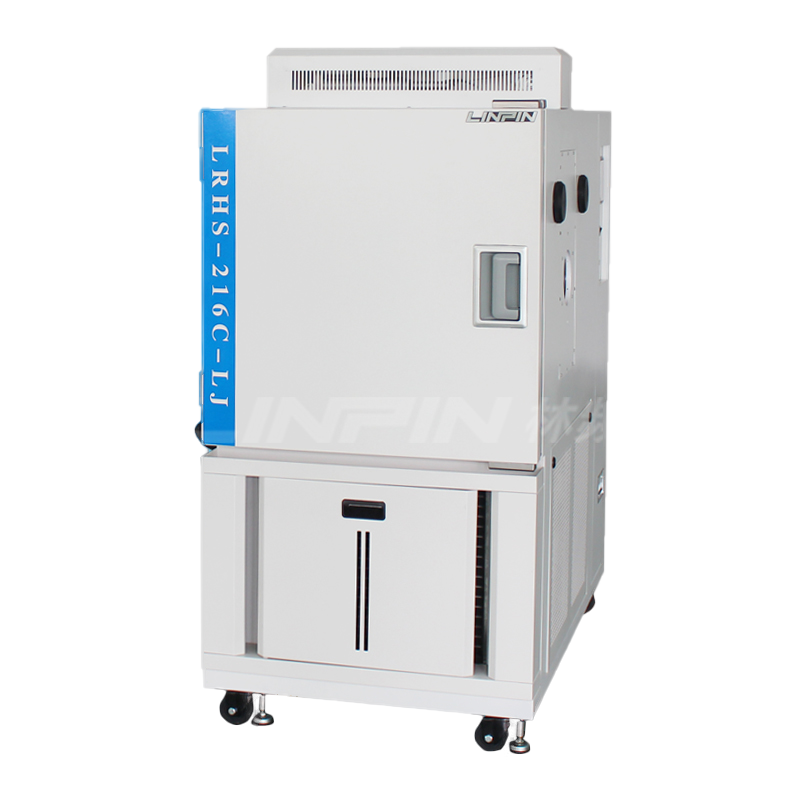
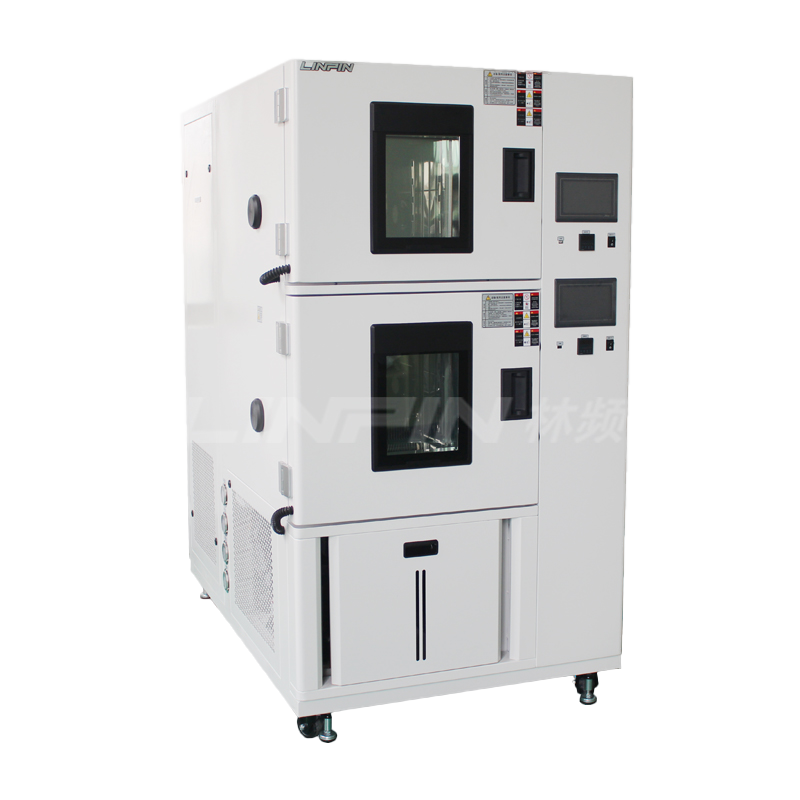
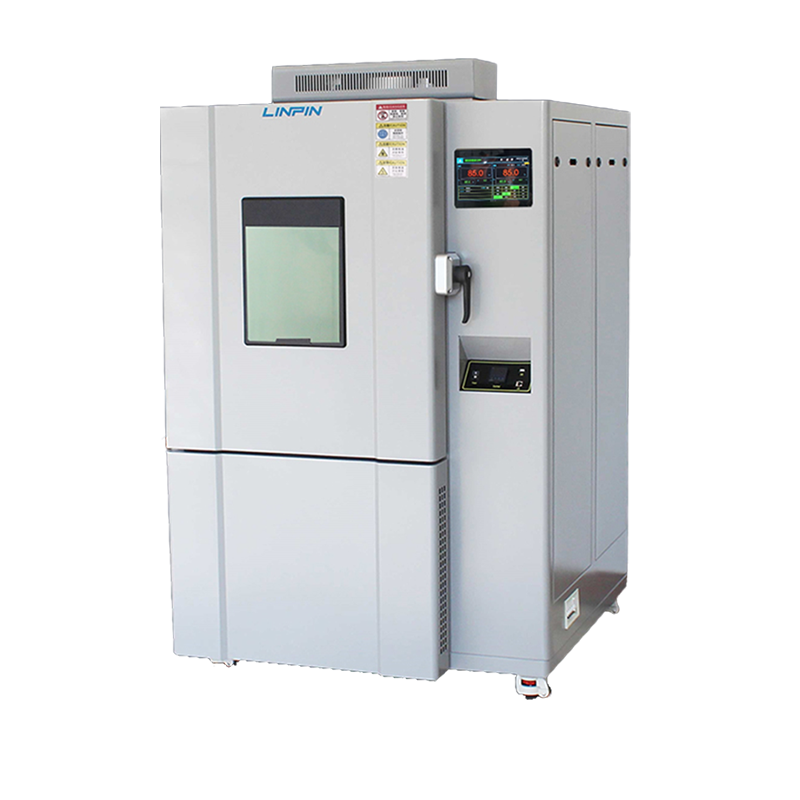
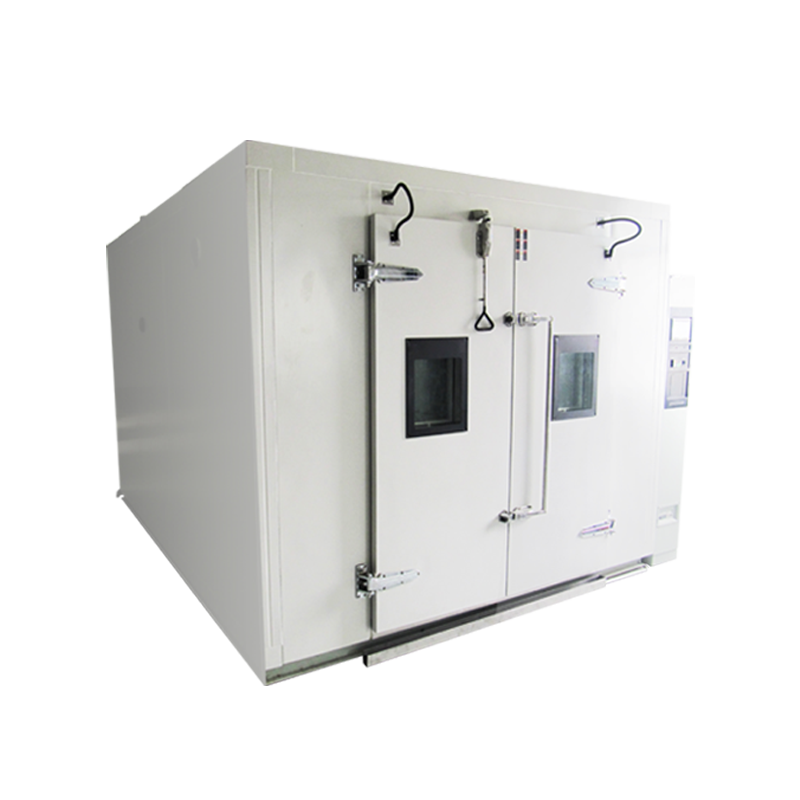
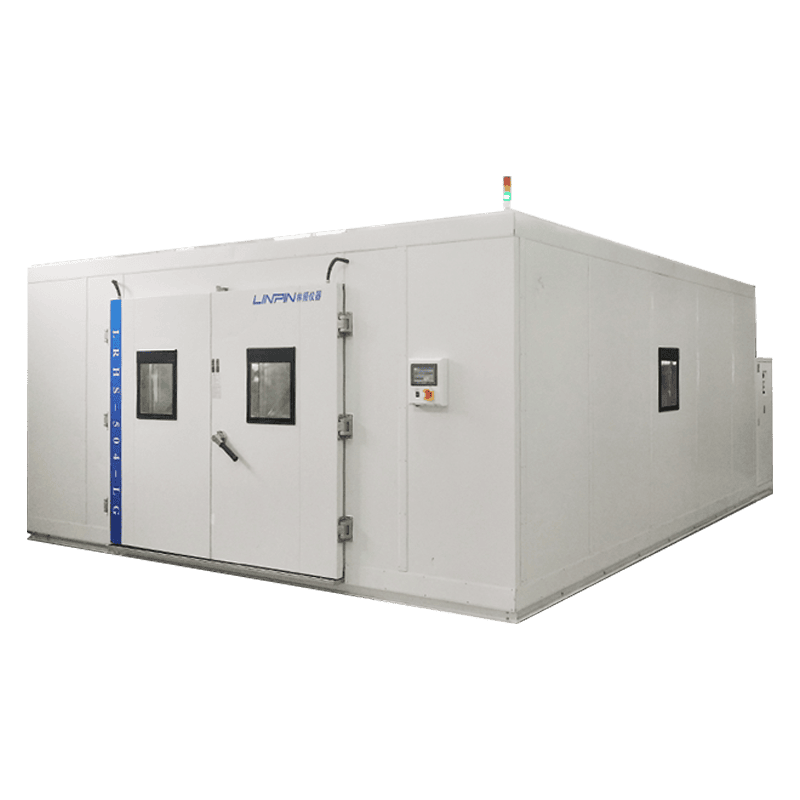
There are many details involved in maintaining thermal shock test chambers, but a few key points must be diligently followed by operators to ensure the equipment’s longevity.
1. Thorough Cleaning of the Thermal Shock Test Chamber
Cleaning is a fundamental requirement for equipment maintenance. After completing tests, the chamber must be cleaned to ensure no debris remains inside or outside. Regular cleaning of the chamber’s base and surrounding area is essential, especially after windy or rainy/snowy weather. If windows or doors were left open, accumulated rainwater and dust should be promptly removed. Dust can be cleaned with a soft cloth or a vacuum cleaner (a vacuum device is recommended).
The workspace should be cleaned at least once a year. Since dust on the condenser can cause the compressor’s high-pressure switch to trip and trigger false alarms, the condenser must be maintained monthly. Keep it clean by using a vacuum to remove dust from the cooling fins, scrubbing with a stiff brush, or blowing away dust with compressed air.

2. Detailed Inspection and Maintenance of Test Chamber Components
Regular checks should be conducted to ensure all components are secure. If any parts are loose, they should be tightened immediately. Additionally, inspect for signs of rust, and if found, take prompt action to treat and prevent further corrosion.
Lubrication is another critical aspect. Insufficient lubrication can increase friction, reducing the equipment’s efficiency. Therefore, timely lubrication is necessary. Routine inspections of the equipment and its components help prevent potential failures, improving test efficiency and accuracy.
3. Identifying and Addressing Maintenance Gaps
Due to the many details involved in maintenance, some tasks may be overlooked. Operators should create a checklist to systematically carry out maintenance, making it easier to identify and address any missed steps and ensure no components are left unchecked.
By following these maintenance practices, the lifespan of your thermal shock test chamber can be significantly extended, ensuring reliable performance and accurate test results.







Copyright © 2025 Shanghai Linpin Instrument Co., Ltd Copyright
| ICP Number:Shanghai ICP Record No. 12029585-7
| Sitemap






 EN
EN
 中文
中文 Pусский
 Tiếng Việt
 ภาษาไทย
 پاکستانی زبان