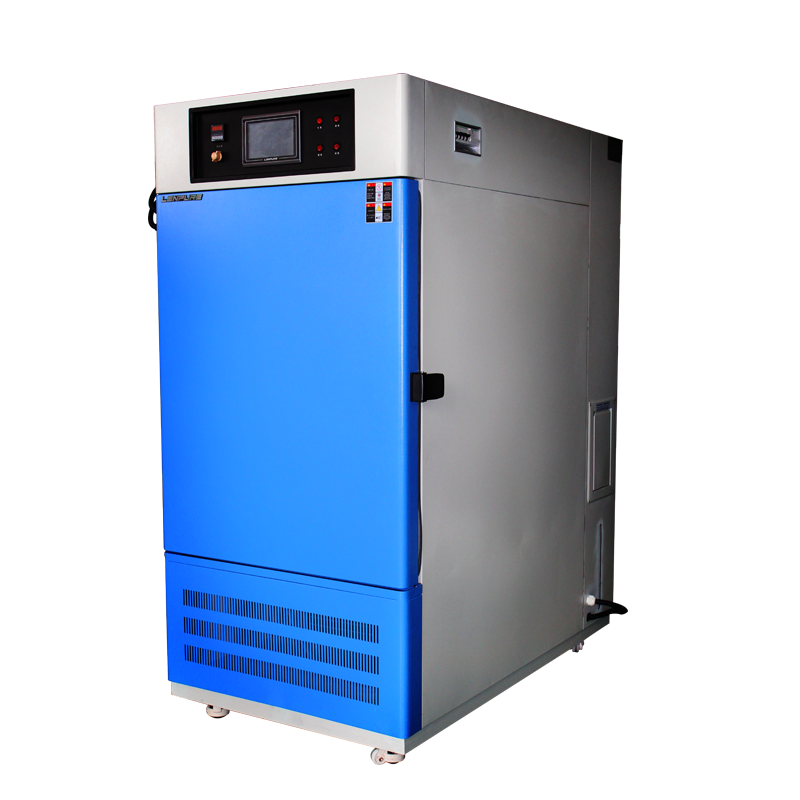
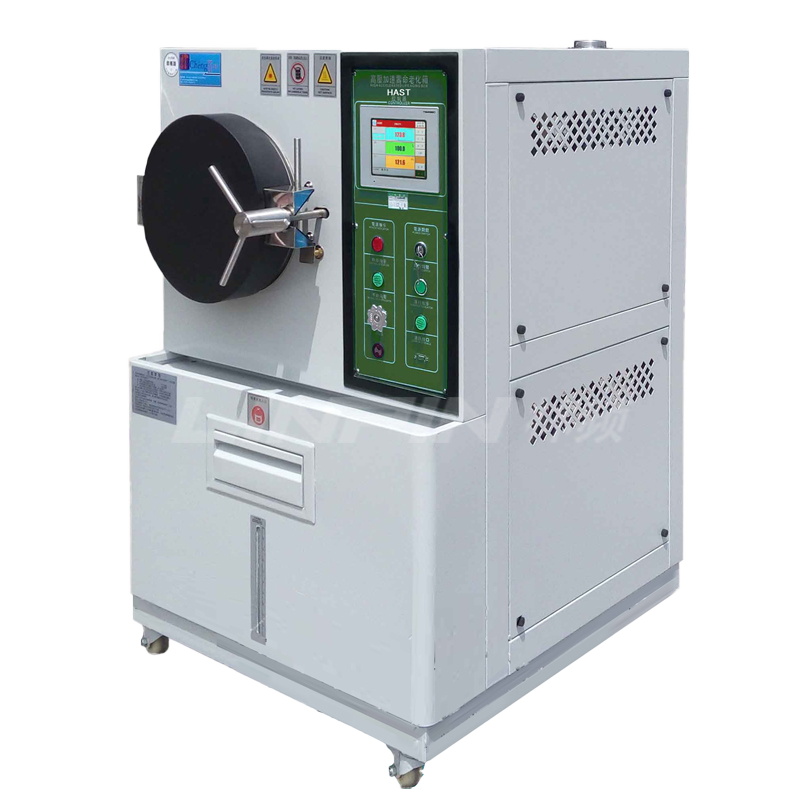
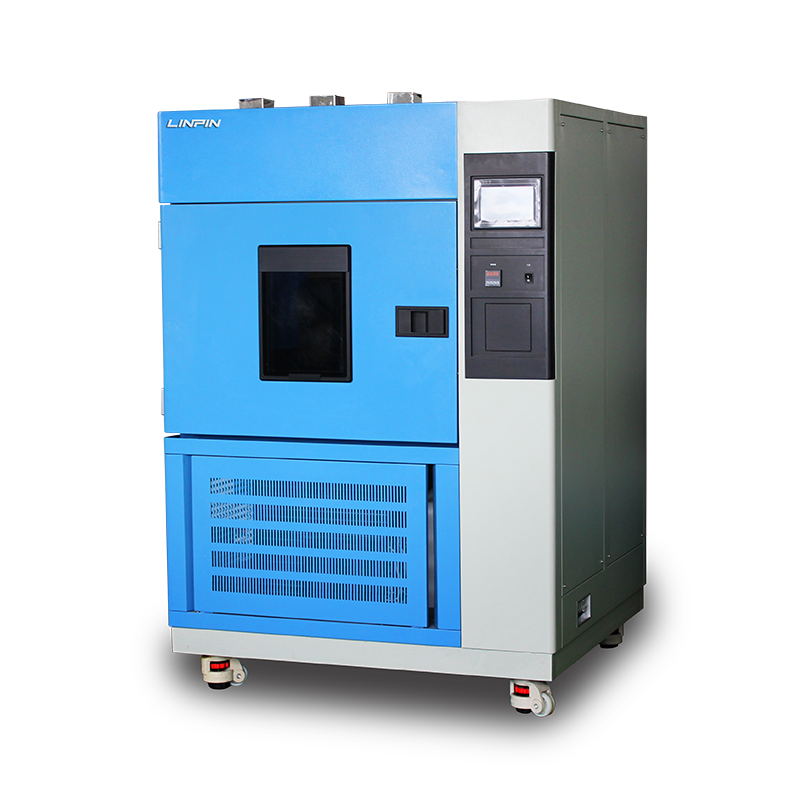
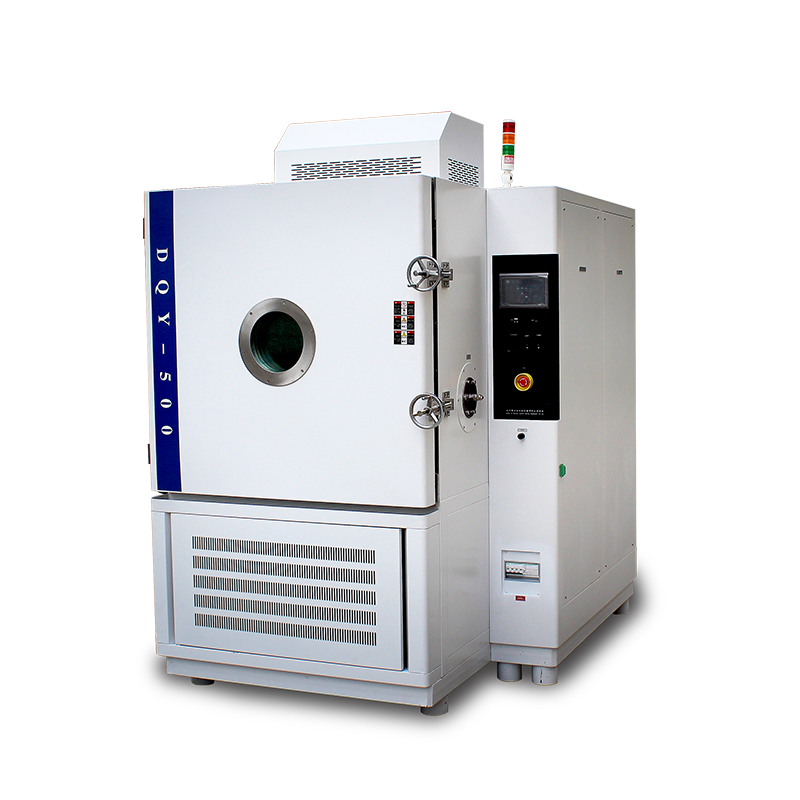
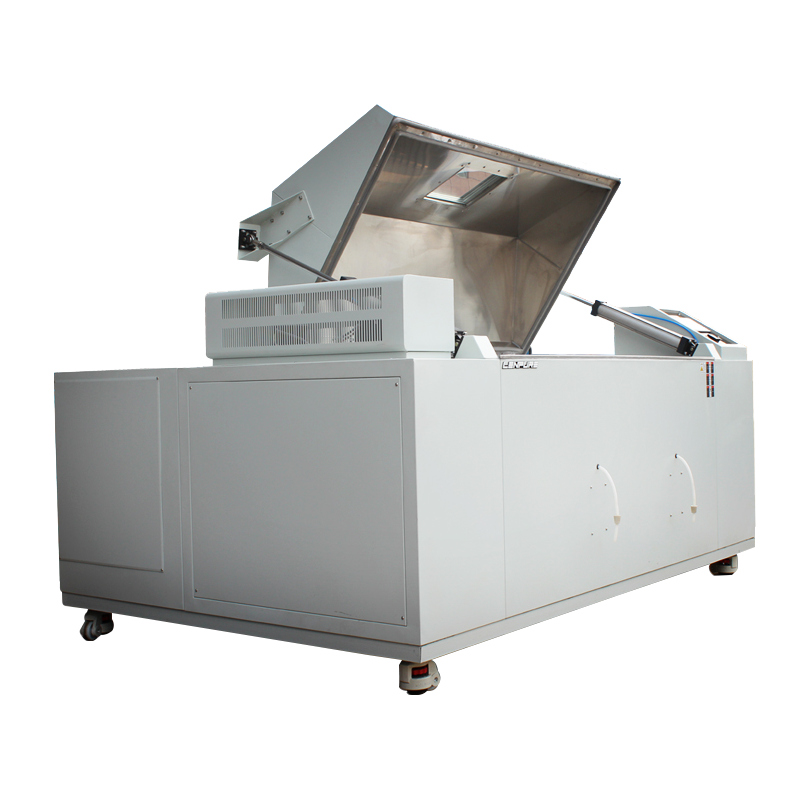
With rapid economic growth and continuous technological advancements, the scientific and technological sophistication of temperature & humidity cycling test chambers has been steadily increasing. In the past, some manufacturers operated on a small scale with low entry barriers and limited technical capabilities, resulting in subpar testing equipment for customers. However, as environmental testing technology continues to evolve, the industry is experiencing vigorous development.
A defining characteristic of today’s temperature & humidity cycling test chamber industry is the growing emphasis on technological advancement, marking a significant shift from the previous focus on price competition. Manufacturers that prioritize high-tech equipment and invest in new product development are seeing increasing profitability. Conversely, companies with outdated technology and weak R&D capabilities are facing declining performance and may eventually be phased out of the market.

Equipment manufacturers are optimizing device structures to meet demands for higher precision, lower energy consumption, and improved efficiency while strengthening technical research to solidify industry foundations. Enhancements are being made in material selection, exterior design, automation, and testing performance. In terms of R&D, companies must balance international collaboration with intellectual property protection, and innovate both in emerging technologies and traditional applications.
Furthermore, technological progress in environmental testing will reshape the export landscape for temperature & humidity cycling test chambers. As innovation accelerates, export volumes are expected to rise significantly. To achieve this, increased investment in scientific research is crucial. By pursuing independent innovation, strategic partnerships, and natural selection in the market, manufacturers can overcome bottlenecks and provide superior environmental testing equipment to more clients.
As a professional testing equipment manufacturer, Linpin Instruments remains committed to strengthening its competitive advantages and enhancing its core competitiveness in the industry. Through continuous improvement and innovation, we aim to lead the market with cutting-edge solutions that meet evolving customer needs.

25.03






Copyright © 2025 Shanghai Linpin Instrument Co., Ltd Copyright
| ICP Number:Shanghai ICP Record No. 12029585-7
| Sitemap






 EN
 中文
 Pусский
 Tiếng Việt
 ภาษาไทย
 پاکستانی زبان