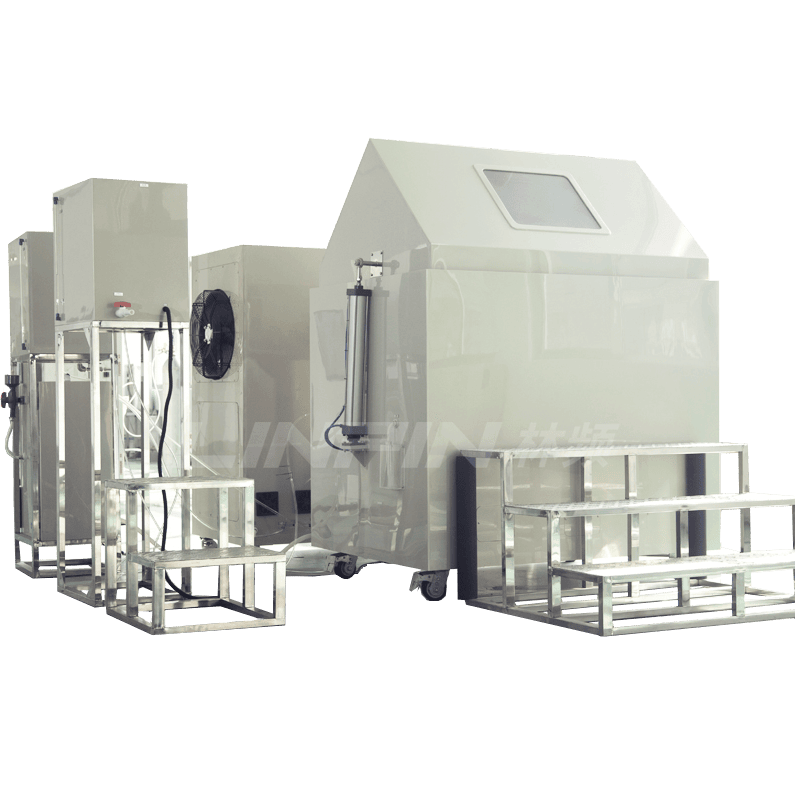
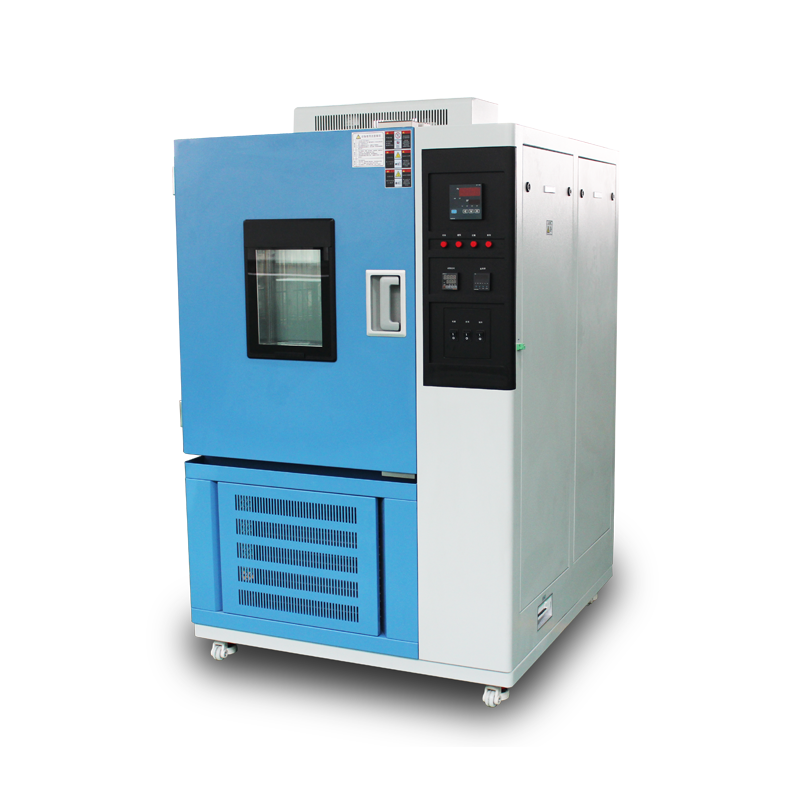
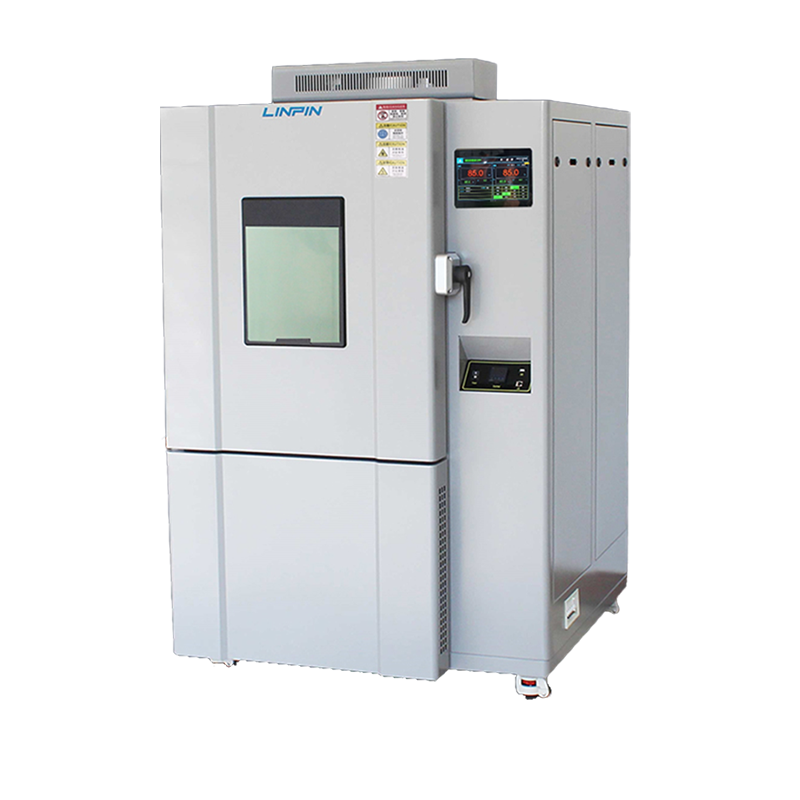
In the field of material research and production, the ozone aging test chamber plays a crucial role. It acts like a professional “detection master,” precisely simulating an ozone environment to help people gain a deep understanding of the aging performance of materials under specific conditions.

The working principle of the ozone aging test chamber is based on the strong oxidizing properties of ozone. Although ozone is present in small amounts in the atmosphere, it is a key factor in causing rubber and other materials to crack. The test chamber uses specific devices, such as ozone generators based on corona discharge, to convert oxygen into ozone, simulating and intensifying the ozone conditions in the atmosphere. By simulating the environment in which materials are actually used, it accelerates the aging process of materials, thereby quickly predicting their performance changes.
Structurally, the ozone aging test chamber mainly consists of a chamber body, an ozone generator, a temperature and humidity control system, and a specimen rack. The chamber body is usually made of steel plates welded together, providing stability and reliability, with the internal space used for placing samples and the ozone generator. The ozone generator continuously produces ozone at a stable concentration. The temperature and humidity control system ensures precise control of the test environment’s temperature and humidity. The specimen rack is flexible and diverse, capable of rotating 360 degrees with adjustable speed and stretching frequency, meeting the requirements for static and dynamic stretching tests.
The ozone aging test chamber is widely used in many industries. In the rubber industry, it is used to test the aging resistance of rubber products such as seals and pipes, ensuring product quality. In the plastic industry, it assesses the aging resistance of plastic products in high-temperature, high-humidity environments containing ozone. In the automotive industry, it simulates the aging of automotive components to improve the durability of car parts.
When using the ozone aging test chamber, the operating procedure is relatively standardized. First, connect the power supply and check whether all parts of the equipment are working properly. Then, place the test materials inside the chamber and adjust the position and angle of the specimen rack. Next, set the parameters for temperature, humidity, and ozone concentration, and start the test. During the test, carefully observe and record the aging conditions of the specimens. After the test is completed, turn off the equipment, remove the specimens, and conduct further analysis.
The ozone aging test chamber provides key evidence for the research, production, and quality control of materials, driving the continuous optimization and improvement of material performance in various industries.








Copyright © 2025 Shanghai Linpin Instrument Co., Ltd Copyright
| ICP Number:Shanghai ICP Record No. 12029585-7
| Sitemap






 EN
EN
 中文
中文 Pусский
 Tiếng Việt
 ภาษาไทย
 پاکستانی زبان