
Service Hotline
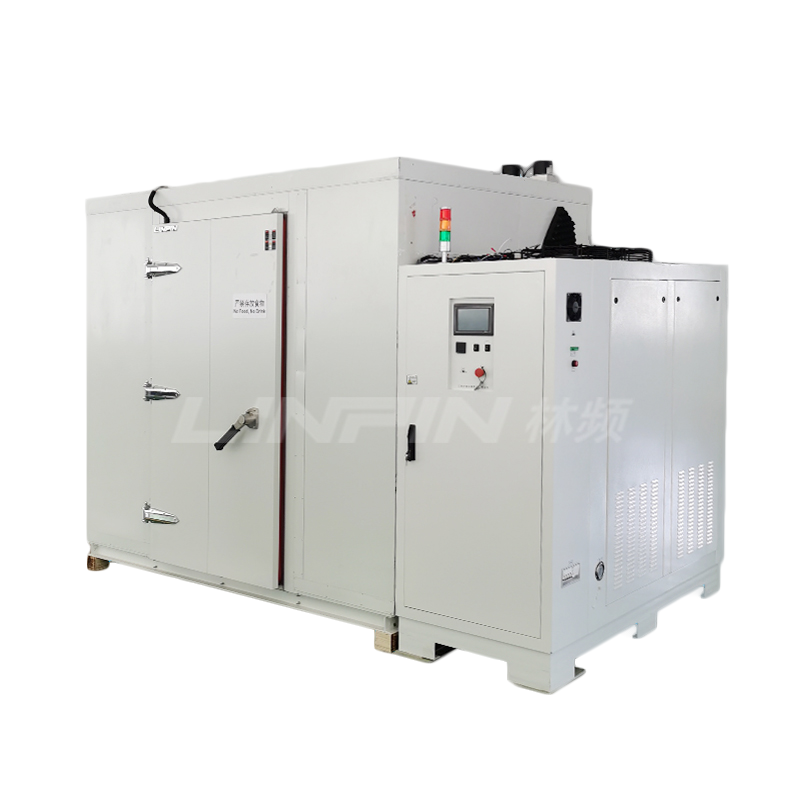
4000-662-888| Model | Studio Size (D*W*H)mm | Dimension(D*W*H)mm |
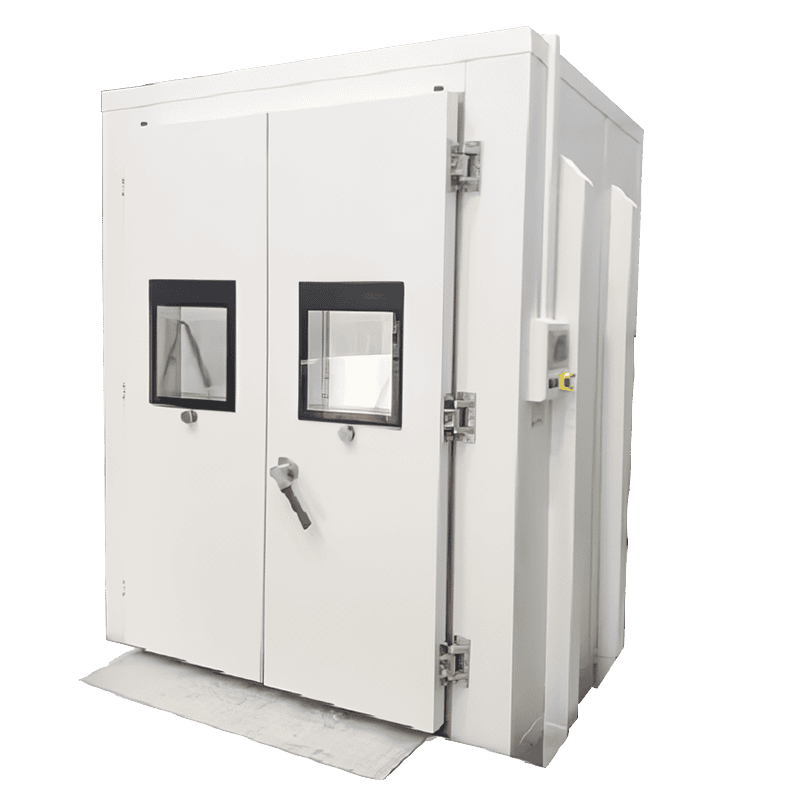
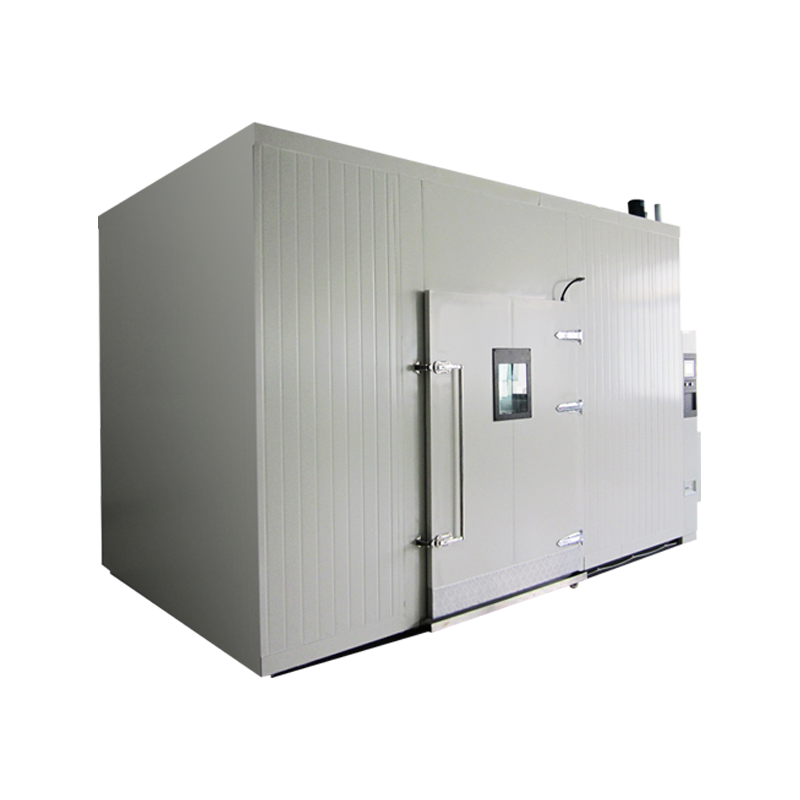
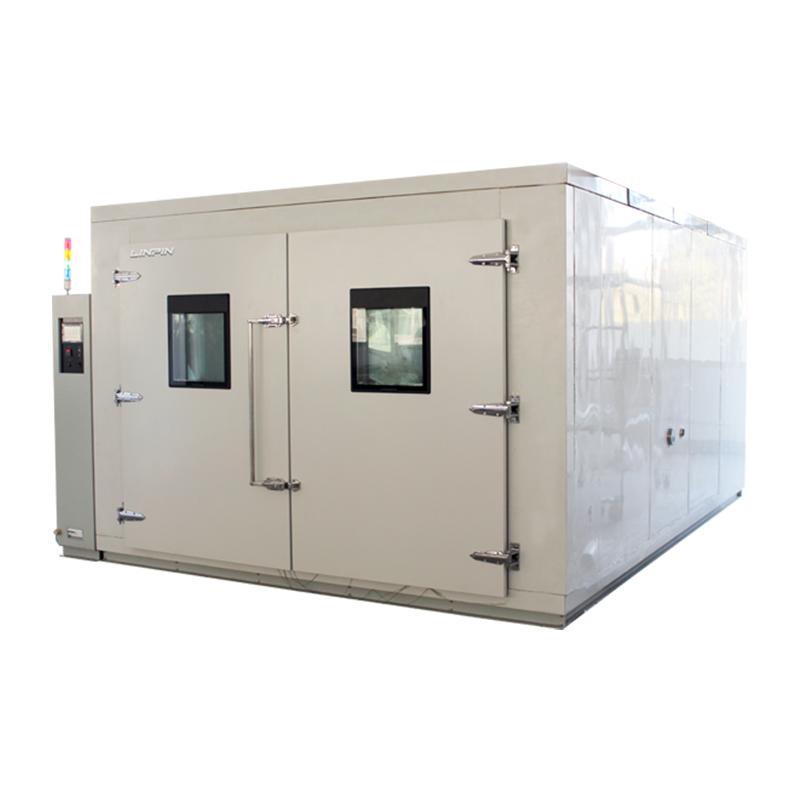
| LRHS-5980-NGF | 2300×1300×2000 | Approx. 2800 x 2500 x 2400 |
| Effective irradiance area | 2000mm×1000mm | |
| Light intensity range | 150~250W/m2 | |
| spectral range | 280~400nm | |
| UVB/(UVA+UVB) | 3~10% | |
| inhomogeneity | ≤±15% | |
| Sample temperature range | 60±5℃ | |
| Sample temperature uniformity | ≤±5℃ | |
| Outer case material | 1.2mm Cold rolled steel plate with plastic spraying on both sides | |
| Inner box material | 1.0mm thick SUS304 stainless steel, sunlight simulating fully reflective reflective film mounted on the side wall for secondary sealing and optical reflection control. | |
| Insulation material | 10mm Thickness High Quality Insulation Material | |
| Controller | Siemens PLC Module + Touch Screen | |
| Cooling method | Air-cooled/water-cooled refrigeration | |
| Compressor | Taikang, France | |
| Heating method | Nickel-chromium alloy electric wire type heater | |
| standard configuration | UV probes, temperature sensors, lights, lead holes, etc. | |
| security protection | Emergency stop button, sample surface temperature is too high, light source system fault alarm, power supply phase/undervoltage/overvoltage/leakage protection, fan overload, compressor overvoltage/overheat/overcurrent, heating wire over-temperature protection | |
| Supply Voltage | AC380V±10% 50Hz | |
| Power | 20.0kW | |
| operating environment | 5℃~+35℃ ≤75% RH | |
| Note: 1、 the above data are measured in the use of ambient temperature of 25 ℃ and well-ventilated conditions 2、Can be customized according to the user’s specific test requirements. 3、This technical information is subject to change without prior notice. |
||






Copyright © 2025 Shanghai Linpin Instrument Co., Ltd Copyright
| ICP Number:Shanghai ICP Record No. 12029585-7
| Sitemap






 EN
EN
 中文
中文 Pусский
 Tiếng Việt
 ภาษาไทย
 پاکستانی زبان