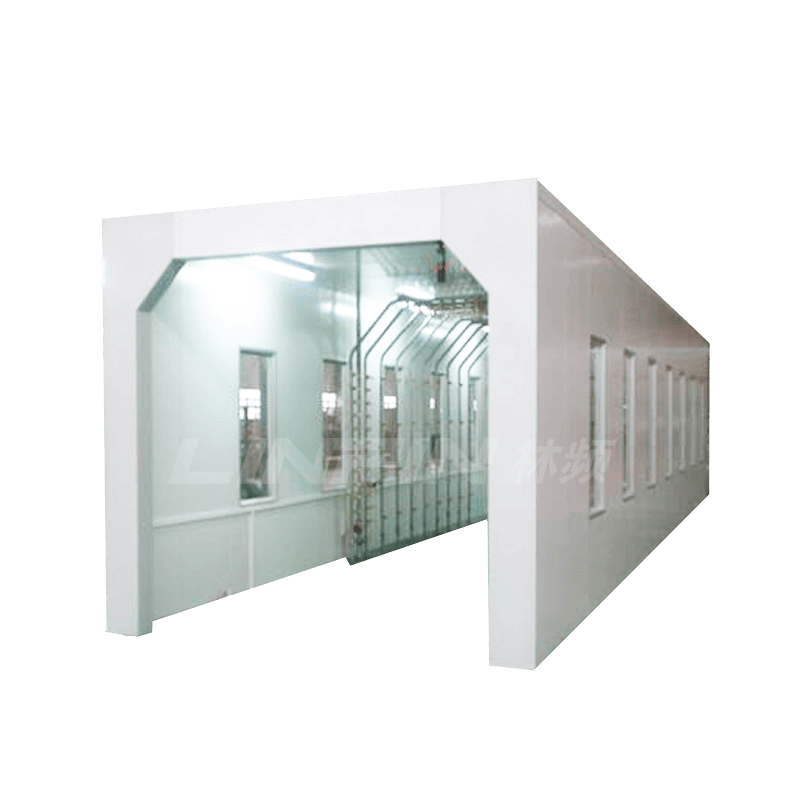
During the transportation of a thermal shock test chamber, technicians frequently remind operators to keep the equipment as level as possible; otherwise, oil blockage may occur. What exactly causes oil blockage in a thermal shock test chamber, and how should it be resolved if it happens?
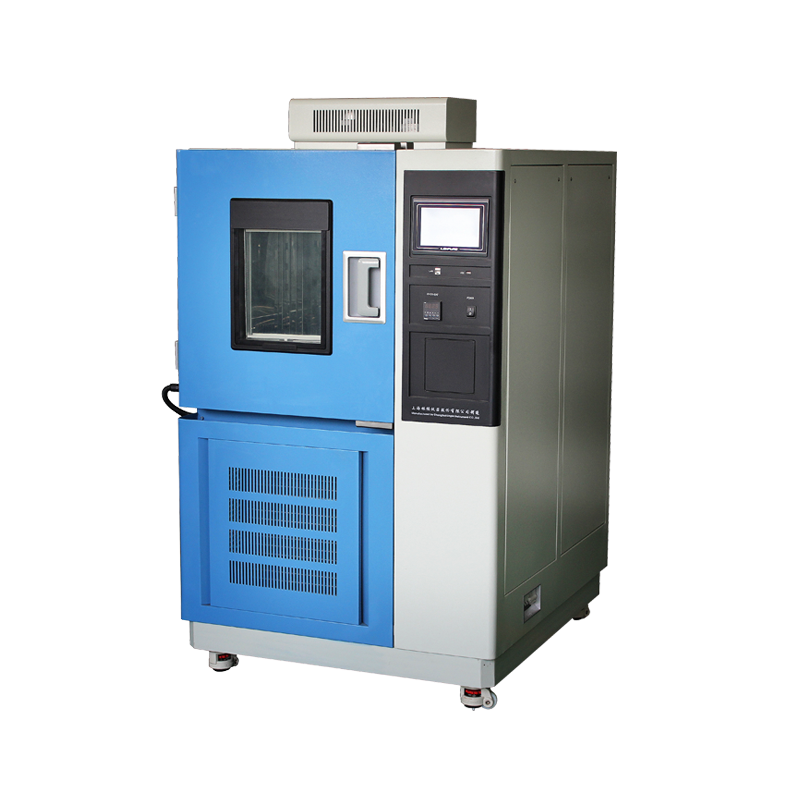
If the thermal shock test chamber is tilted at a relatively large angle during handling, the refrigeration oil inside the compressor will flow from the suction tube into the low-pressure chamber. When the compressor is restarted for cooling, the refrigeration oil will be drawn into the cylinder, which can cause the compressor load to increase sharply in a short period (the compression ratio in the cylinder is determined by gas volume, while liquid is difficult to compress). More importantly, after the refrigeration oil is carried into the condenser and then passes through the drying filter into the relatively narrow capillary tube, pipeline blockage will occur. This phenomenon is commonly referred to as oil blockage.
How to Resolve Oil Blockage in a Thermal Shock Test Chamber?
In the repair process, first cut the process pipe, release the refrigerant, connect the service gauge valve, and weld off the drying filter. Then, begin charging nitrogen through the gauge valve; after charging nitrogen, there will be airflow coming out from the capillary tube end connected to the drying filter. Maintain the airflow for approximately one minute to eliminate the frozen refrigeration oil that has entered the capillary tube. Next, intermittently release the thumb sealing the condenser pipe opening three to five times, for about ten seconds each time, allowing the frozen refrigeration oil inside the condenser tube to flow out. Afterward, loosen the capillary tube and close the service valve.
Through the above procedures, the oil-blocked pipeline has been basically cleared. To ensure the blockage is thoroughly eliminated, the nitrogen charging process may be repeated. Install a new drying filter, perform evacuation, and then inject refrigerant. The heating and cooling functions of the test chamber equipment will return to normal operation. This is the method for handling oil blockage in test chamber equipment. After resolving the oil blockage issue, operators need to inspect the equipment components to ensure they are intact before the test chamber can be put back into normal service.

25.03








Copyright © 2025 Shanghai Linpin Instrument Co., Ltd Copyright
| ICP Number:Shanghai ICP Record No. 12029585-7
| Sitemap






 EN
EN
 中文
中文 Pусский
 Tiếng Việt
 ภาษาไทย
 پاکستانی زبان