In the daily use of the constant temperature and humidity test chamber, due to operational errors or a lack of regular maintenance, the equipment may occasionally experience faults, thereby disrupting the normal workflow. If operators can grasp some strategies for dealing with common faults, they can quickly identify the issues and take action to resolve them, thus effectively shortening the delay time caused by the faults. Next, let’s delve into these common faults and their handling methods in detail.
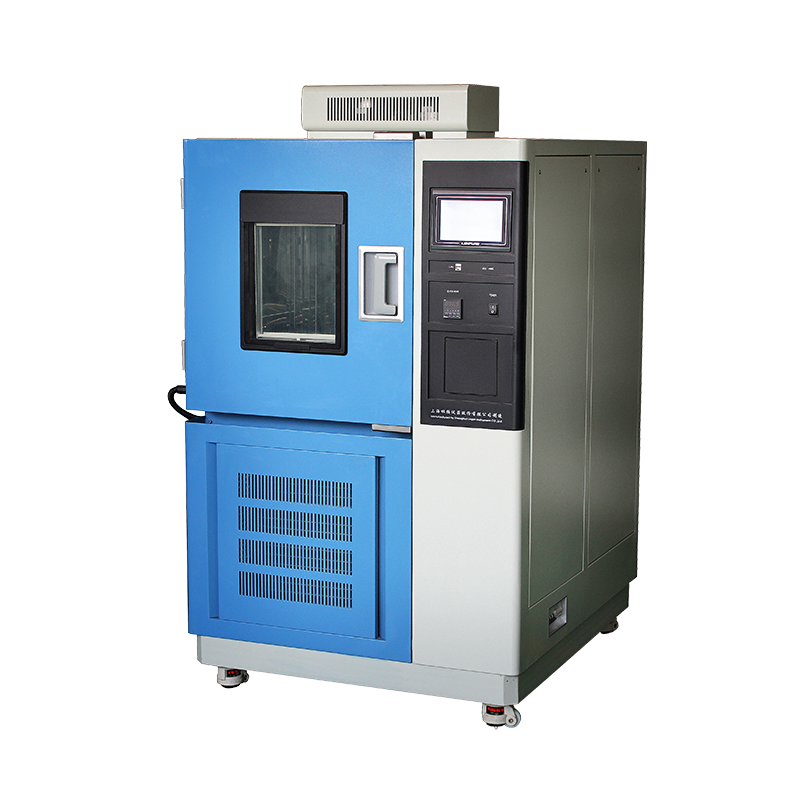
When abnormal humidity display is observed on the equipment, the first step is to check whether the humidifier pipes are blocked by dirt or have residual air inside, which may lead to poor water inlet and drainage. In this case, it is necessary to clean the pipes and remove the air. Meanwhile, a comprehensive inspection of the humidity system should be carried out to check if components such as the humidifier and solid-state relay are functioning normally. In addition, the temperature of the humidifier’s over-temperature protector is generally set at 130℃. If this temperature is set too low, it may also cause abnormal humidification.
During temperature tests, the constant temperature and humidity test chamber may fail to reach the set temperature values. If the low temperature cannot be achieved, it may be due to insufficient drying of the working chamber before the test or improper placement of the test items blocking the air outlet, resulting in obstructed air circulation. After ruling out these two possibilities, one needs to consider whether there is a fault in the refrigeration system. When high-temperature heating is difficult, the regulating dampers and motors of the air circulation system, as well as the control instrument, should be checked for normal operation.
When the temperature display is abnormal, it is necessary to confirm whether the over-temperature protector on the control panel has been set as required to 150℃. At the same time, it is also essential to check if the circulating motor or the solid-state relay in the temperature section has malfunctioned, and adjust or repair the problematic components accordingly.
Sometimes, despite correct operation, the constant temperature and humidity test chamber may issue an abnormal pressure alarm signal. This could be due to an excessively high ambient temperature around the equipment. The most suitable operating temperature range for this equipment is 5–35℃. In hot weather, it is recommended to use an air conditioner to cool down the indoor environment. Additionally, poor heat dissipation of the equipment may also trigger this problem. In this case, it is necessary to check whether the heat dissipation areas are blocked and clean them promptly if necessary. Generally, the heat dissipation components or areas should maintain sufficient clearance and be cleaned regularly.
If the constant temperature and humidity test chamber experiences a wet-heat fault, it is necessary to check whether the water level of the wet-bulb sensor is normal and whether the gauze is dry or has hardened.








Copyright © 2025 Shanghai Linpin Instrument Co., Ltd Copyright
| ICP Number:Shanghai ICP Record No. 12029585-7
| Sitemap






 EN
EN
 中文
中文 Pусский
 Tiếng Việt
 ภาษาไทย
 پاکستانی زبان