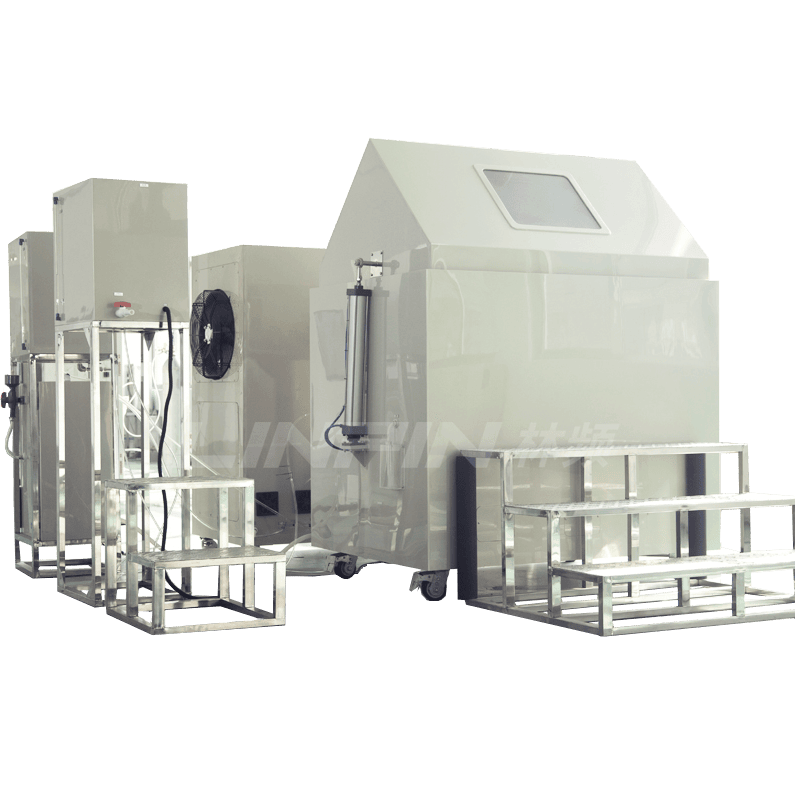
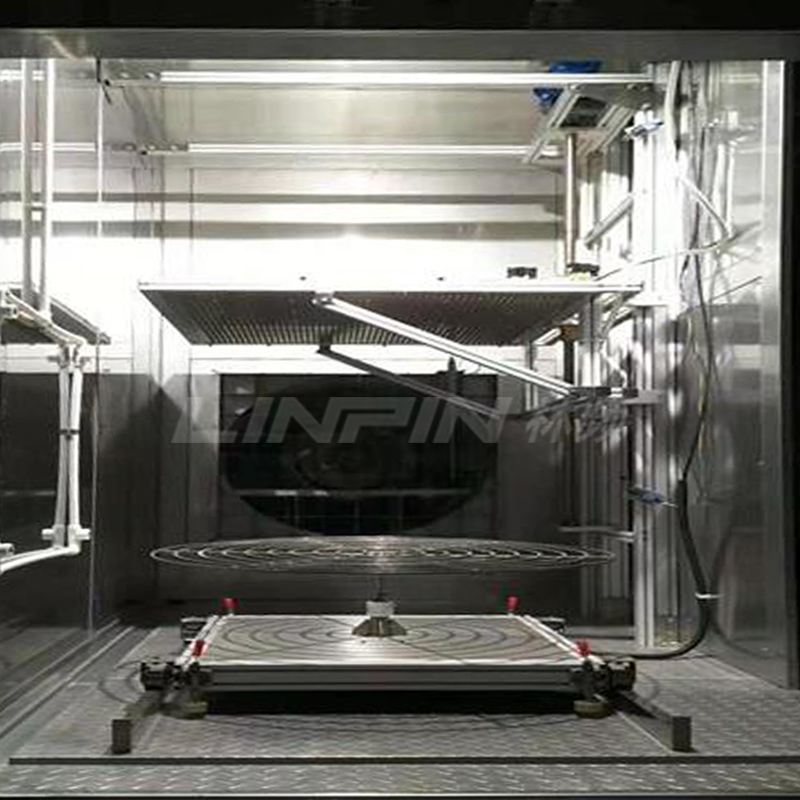
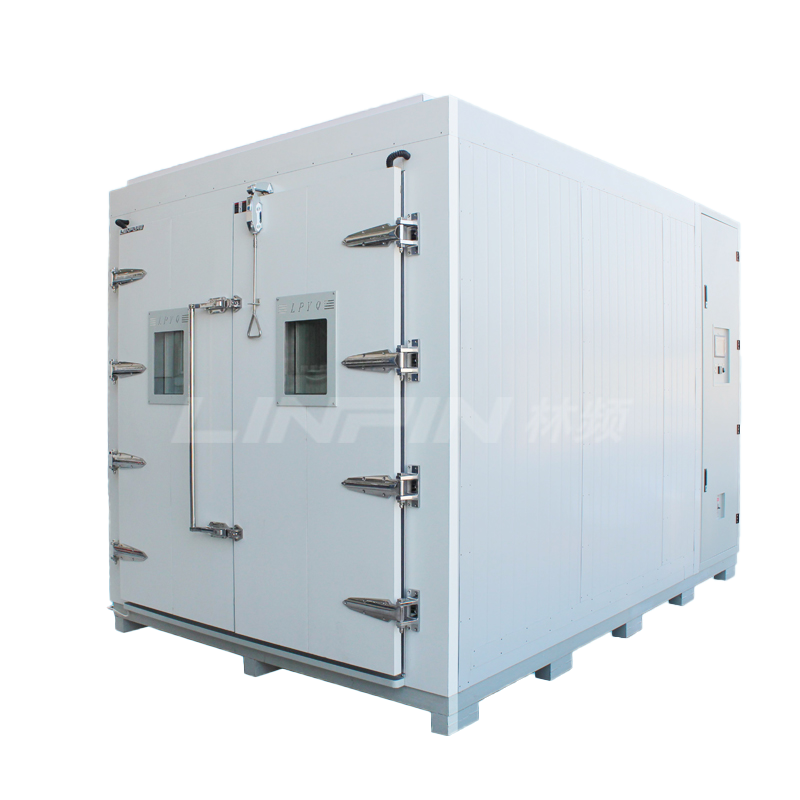
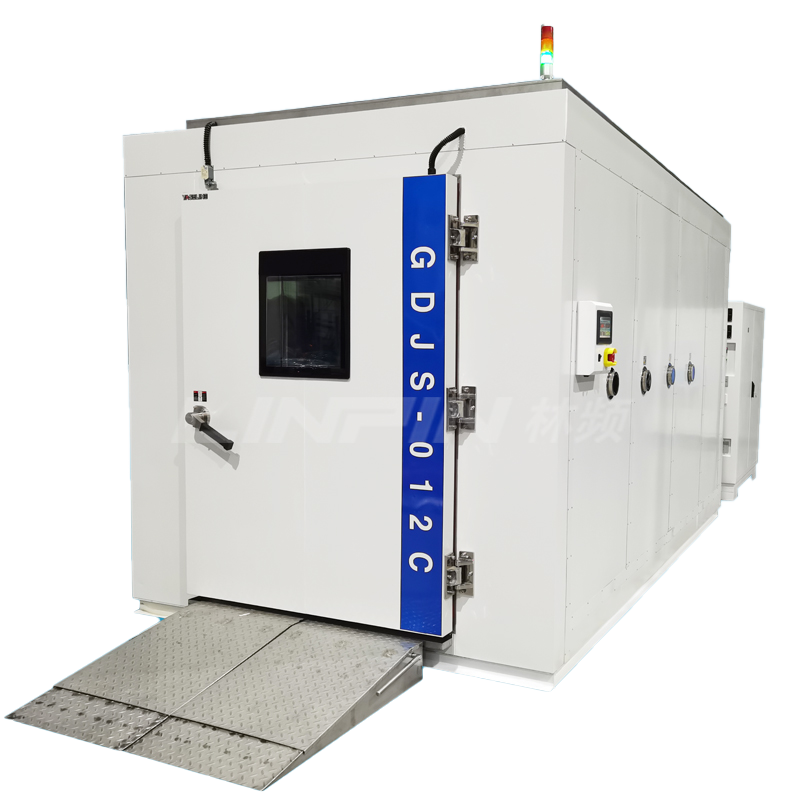
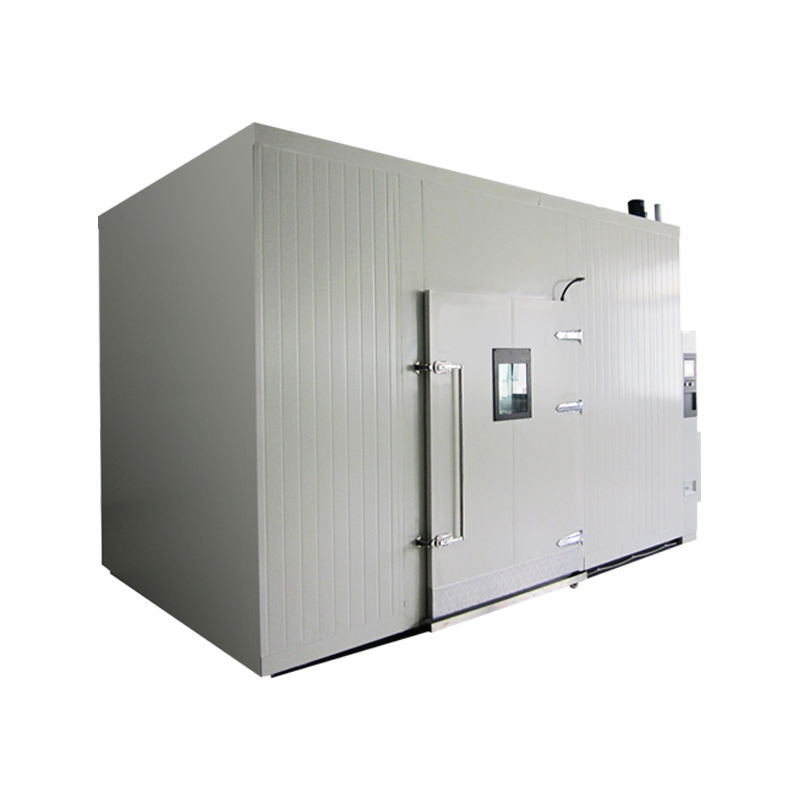
High-low temperature test chambers are precision instruments that must be operated strictly by trained personnel following standard procedures and subjected to regular preventive maintenance. Any operational error or neglected upkeep can trigger a variety of faults, delaying test schedules. The equipment integrates refrigeration, heating, humidification, electrical control and other subsystems. Effective troubleshooting therefore requires a holistic “whole-machine mindset” to pinpoint and solve problems quickly.
1 Slow cooling or no cooling at all
1.1 First confirm that set-point parameters are correct. Then listen to the compressor and monitor its running current. If the compressor does not start, inspect the power supply, contactor, thermal relay, start capacitor and control-board outputs.
1.2 If the compressor runs but the high-side pressure is too high while the low-side pressure is too low, the condenser is usually fouled or the condenser fan has failed. Clean the condenser fins or replace the fan.
1.3 If both high- and low-side pressures are low and frost appears on the suction line, suspect refrigerant leakage or an iced-up expansion valve. Use an electronic leak detector to locate leaks, repair them, evacuate the system and recharge with the correct refrigerant. Replace the filter-drier and re-evacuate if the expansion valve is blocked by ice.
1.4 When the condenser is iced, perform a manual defrost cycle or temporarily raise the chamber temperature to melt the ice before resuming normal operation.
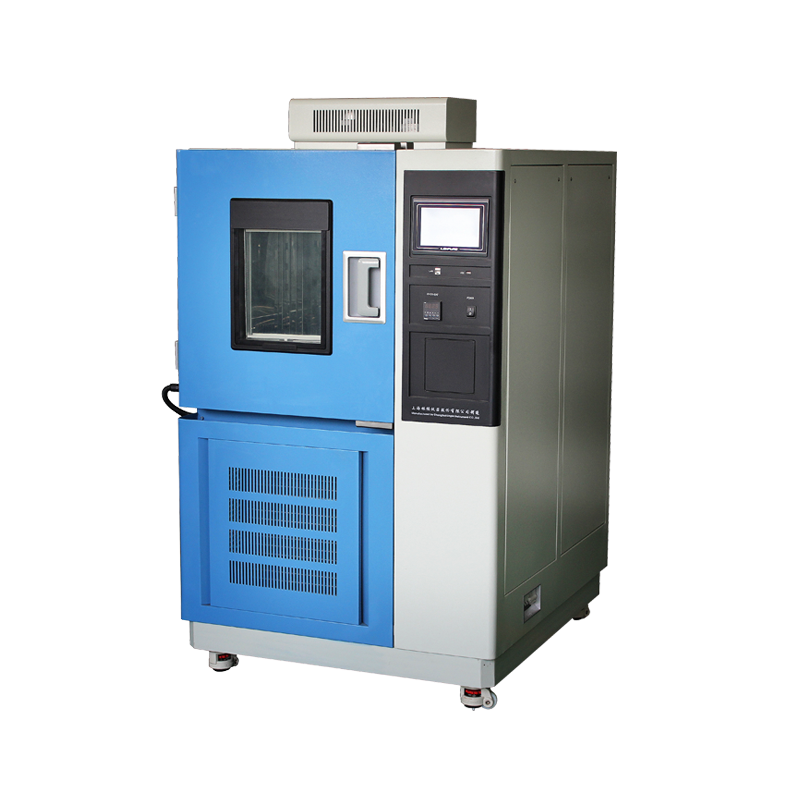
2 Heating or humidification anomalies
2.1 Observe the actual vs. set-point values on the touchscreen. If the deviation is large and the power output reads 0, first check whether the solid-state relay (SSR) has failed short or open. Measure the SSR output terminals with a multimeter.
2.2 If the SSR is sound but the heater or humidifier still carries no current, disconnect the heater and measure its resistance; an infinite reading indicates replacement. Clean or replace a scaled-up humidifier tube.
2.3 Verify that the water-level switch and feed-water solenoid valve are functional to prevent dry-fire of the humidifier.
3 Door “sticks” shut in rainy season
High humidity can create a vacuum between the door and the silicone gasket. Wipe off moisture with a dry cloth before closing the door and apply a thin film of talcum powder or silicone grease to the gasket for both moisture-proofing and lubrication. Replace the gasket if it is cracked or aged.
4 No response when pressing the start button
4.1 With a multimeter confirm that the mains voltage is within ±10 % of the rated value. Check the main breaker, emergency-stop button and fuses inside the chamber.
4.2 If ambient temperature falls below 5 °C in winter, the compressor’s low-temperature protection may activate. Turn on room air-conditioning or another heater to raise the ambient temperature above 10 °C before restarting the chamber.
5 Sudden increase in noise
5.1 After powering down, manually rotate the fan impeller to detect bearing seizure; replace the fan assembly if necessary.
5.2 Inspect compressor shock-absorbing springs, pipe supports and screws; retighten any loosened parts with a torque wrench to specification.
5.3 If metallic knocking is heard, stop the machine immediately to prevent catastrophic compressor failure.
6 Other intractable problems
If none of the above steps resolves the fault, record all alarm codes, pressures, currents, ambient conditions and the sequence of operations. Contact the manufacturer or an authorized service center at once for remote diagnosis or on-site repair. Never attempt unauthorized PCB soldering or pipeline modifications to avoid voiding the warranty.
In short, troubleshooting a high-low temperature test chamber = proper operation + regular maintenance + systematic diagnosis + timely professional support. Follow these four principles and downtime will be minimized.


24.07





Copyright © 2025 Shanghai Linpin Instrument Co., Ltd Copyright
| ICP Number:Shanghai ICP Record No. 12029585-7
| Sitemap






 EN
EN
 中文
中文 Pусский
 Tiếng Việt
 ภาษาไทย
 پاکستانی زبان