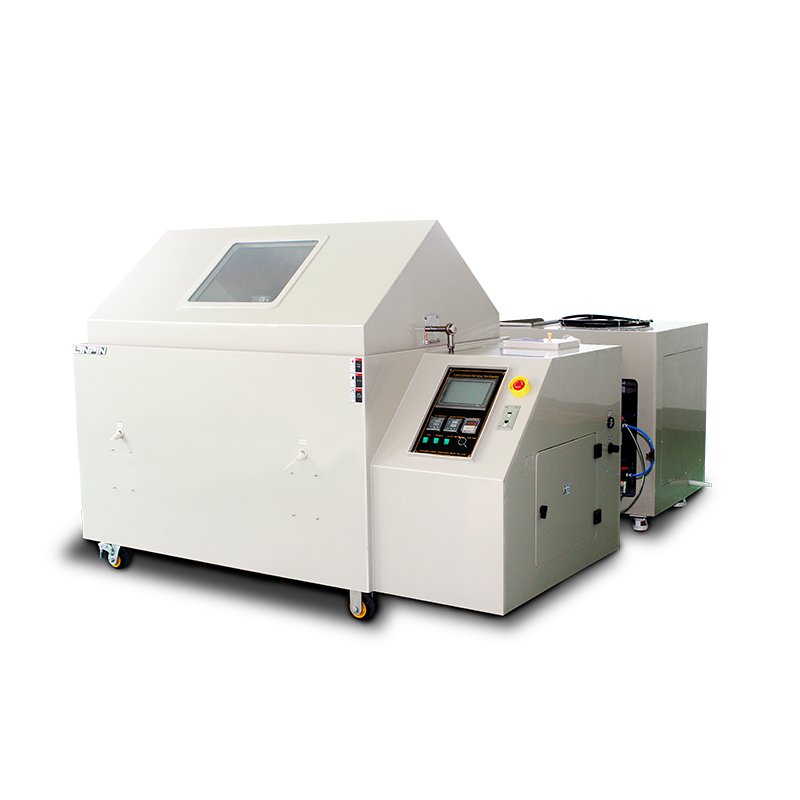
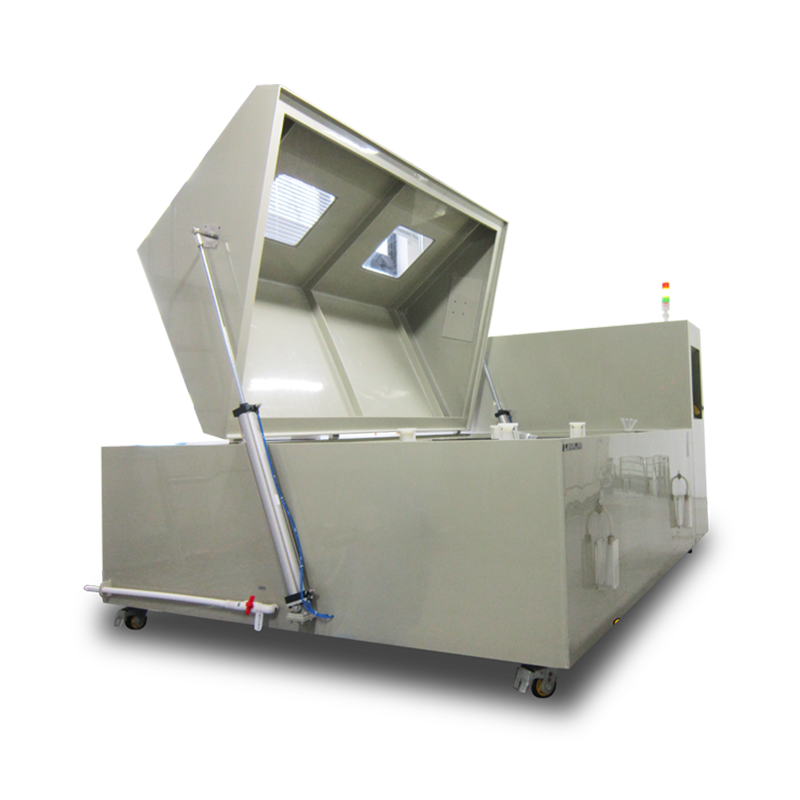
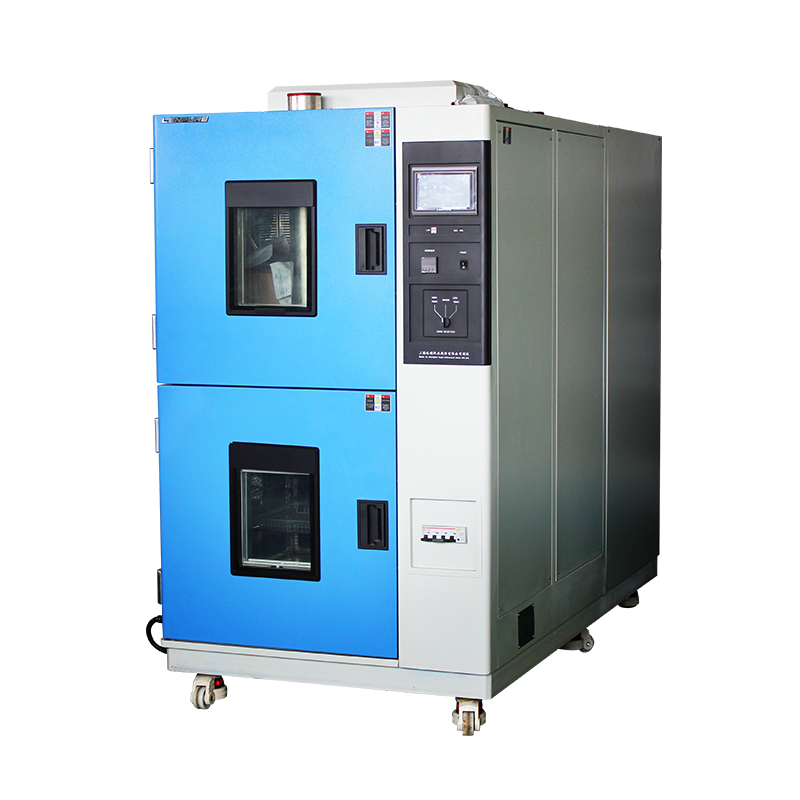
The performance of the compressor in a high-low temperature alternating test chamber directly affects the efficiency of the equipment and the test results. Therefore, customers should choose a high-quality compressor to enhance the device’s performance. So, how can you determine whether the compressor in the test equipment is good or bad?
1. Check Whether the Compressor Matches the Manufacturer’s Specifications
First, verify whether the compressor in the test chamber matches the manufacturer’s provided list. Pay attention to the brand of the compressor. Many customers prioritize compressor quality when purchasing equipment, as some manufacturers use high-quality branded compressors known for their reliability and efficiency.
During the purchasing process, ask detailed questions about the compressor.
After purchasing, carefully check the equipment specifications to ensure no substitution has occurred.
During equipment inspection, open the rear panel to examine the compressor, checking its brand, model, serial number, and authenticity verification code. Use the verification code to confirm its authenticity.

2. Check for Substandard or Used Compressors
Even if the brand and parameters are correct, you still need to verify whether the compressor is new or a refurbished/second-hand unit. Some manufacturers may use used or refurbished compressors to cut costs.
New compressors have a bright appearance, clear labels, and sharp engravings. The copper pipe welds are smooth and show no signs of repeated grinding or rewelding.
Old or refurbished compressors may appear dull, have faded labels, and show multiple welding marks. If you notice these signs, the compressor may not be new.
3. Evaluate Performance Stability and Efficiency
The most critical factor in determining compressor quality is its performance stability. Consider the following aspects:
Smooth operation: A good compressor should run without frequent stalling or power fluctuations.
Energy consumption: High-efficiency compressors consume less power while maintaining stable cooling/heating performance.
Noise level: If the compressor produces noise exceeding 80 decibels, it may indicate poor performance or internal wear.
By comparing these factors, you can determine whether the compressor is reliable and choose a high-performance model accordingly.
Conclusion
To ensure the compressor in your high-low temperature alternating test chamber is of good quality:
✔ Verify the brand and specifications.
✔ Inspect for signs of refurbishment or used parts.
✔ Test performance, energy efficiency, and noise levels.
Following these steps will help you select a durable and efficient compressor, ensuring long-term stability for your testing equipment.









Copyright © 2025 Shanghai Linpin Instrument Co., Ltd Copyright
| ICP Number:Shanghai ICP Record No. 12029585-7
| Sitemap






 EN
EN
 中文
中文 Pусский
 Tiếng Việt
 ภาษาไทย
 پاکستانی زبان