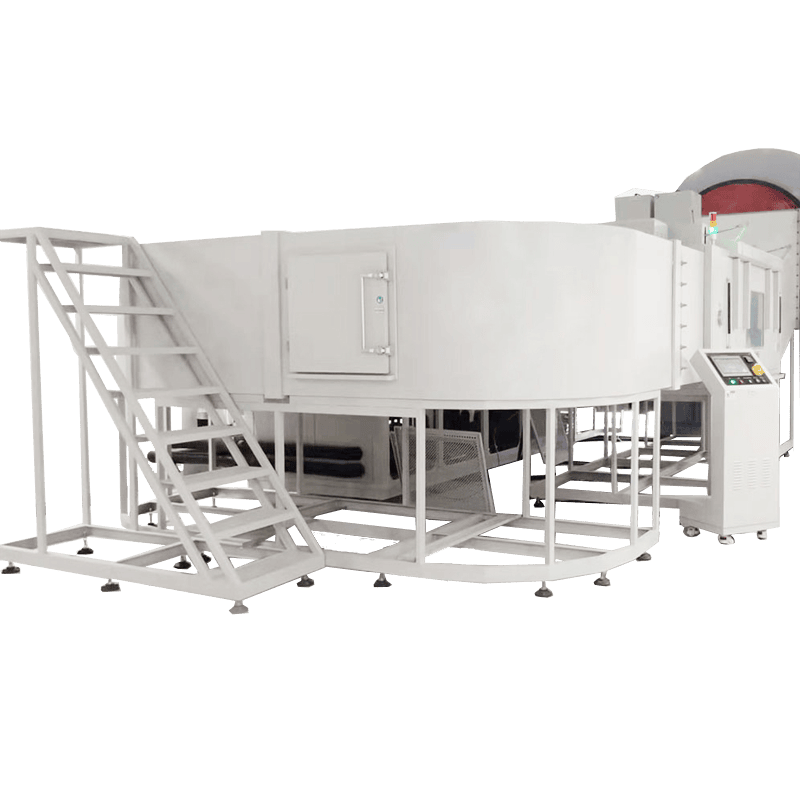
In modern industrial practices, evaluating material corrosion resistance has become a critical quality control procedure. As the core testing equipment, salt spray chambers simulate various environmental parameters to deliver four distinctive testing modalities:
1. Neutral Salt Spray Test (NSS)
The foundational protocol employs:
5% NaCl solution (pH6-7 neutral range)
Constant 35°C chamber temperature
95% relative humidity Primary applications cover:
Zinc/cadmium protective coatings
Decorative chromium plating
Metallic substrate surface treatments
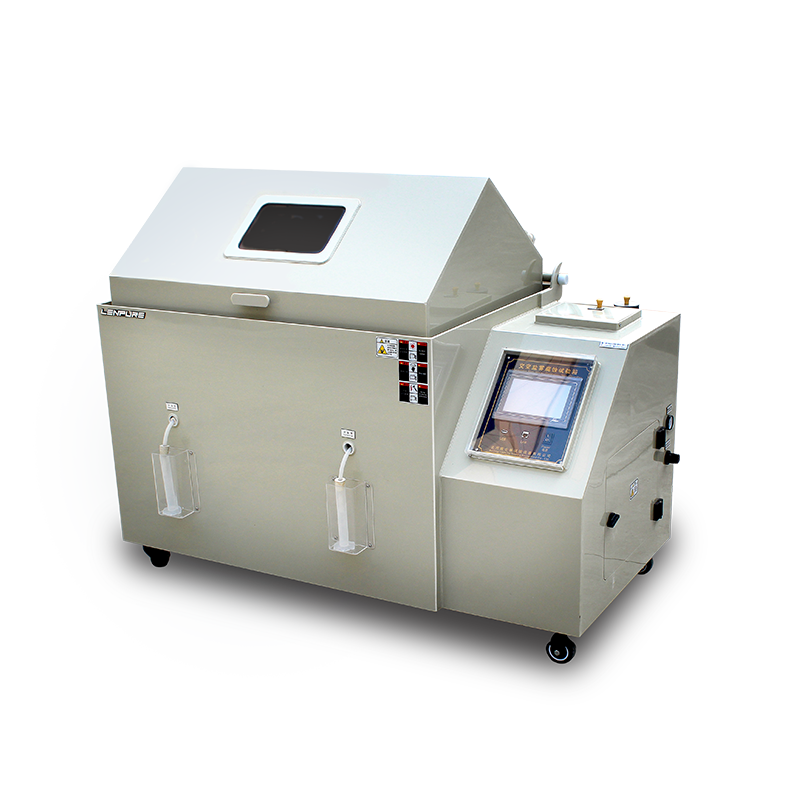
2. Acetic Acid Salt Spray (AASS)
Enhanced corrosion acceleration achieved by:
Adding glacial acetic acid (pH≈3.0)
20-30% faster than NSS Standard implementation for:
Cu-Ni-Cr multilayer plating
Nickel-chromium alloy coatings
Rapid verification of anti-corrosion paints
3. Copper-Accelerated Acetic Acid Salt Spray (CASS)
The premium accelerated test featuring:
0.26g/L CuCl₂ additive
50°C elevated temperature Key advantages:
50% higher efficiency than AASS
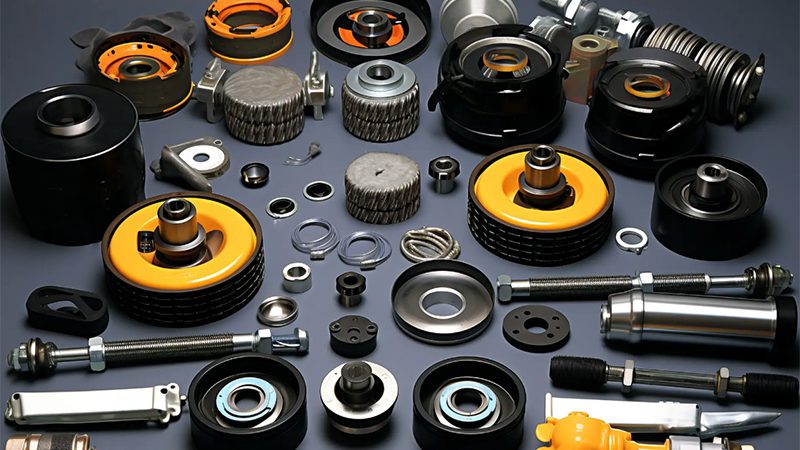
Preferred for automotive components
Electroplated parts quality inspection
4. Cyclic Corrosion Test (CCT)
The comprehensive evaluation combining:
NSS phases
Constant temperature/humidity cycles Critical for assessing:
Hollow mechanical assemblies
Precision instruments
Sealed equipment with internal cavities
Current evolution aligns with updated ASTM B117 and ISO 9227 standards, driving technological advancements toward:
Multi-parameter adjustable systems
AI-powered monitoring
Aerospace/new energy vehicle applications

25.03








Copyright © 2025 Shanghai Linpin Instrument Co., Ltd Copyright
| ICP Number:Shanghai ICP Record No. 12029585-7
| Sitemap






 EN
EN
 中文
中文 Pусский
 Tiếng Việt
 ภาษาไทย
 پاکستانی زبان