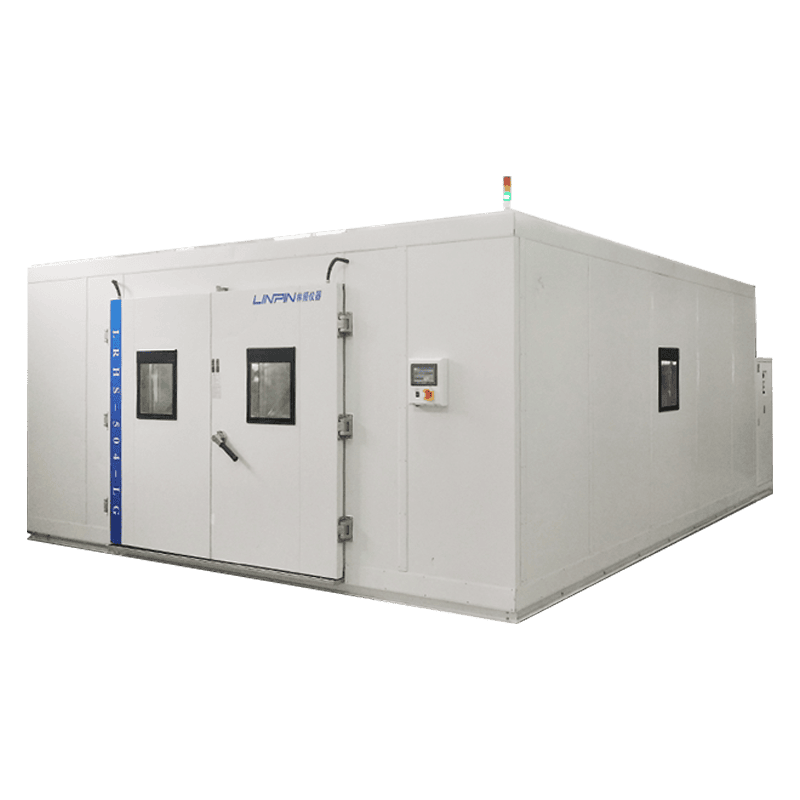
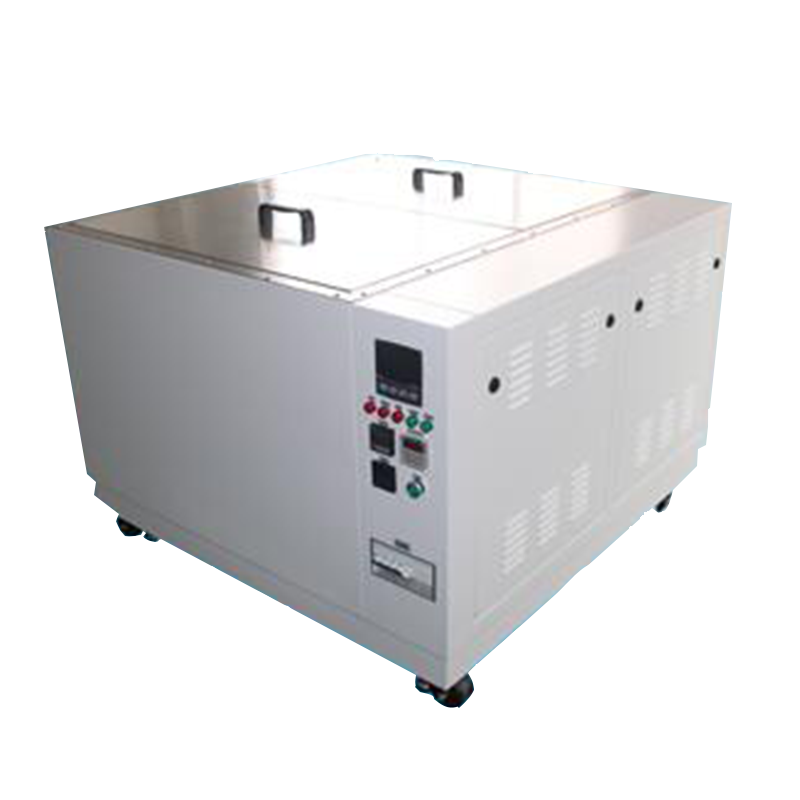
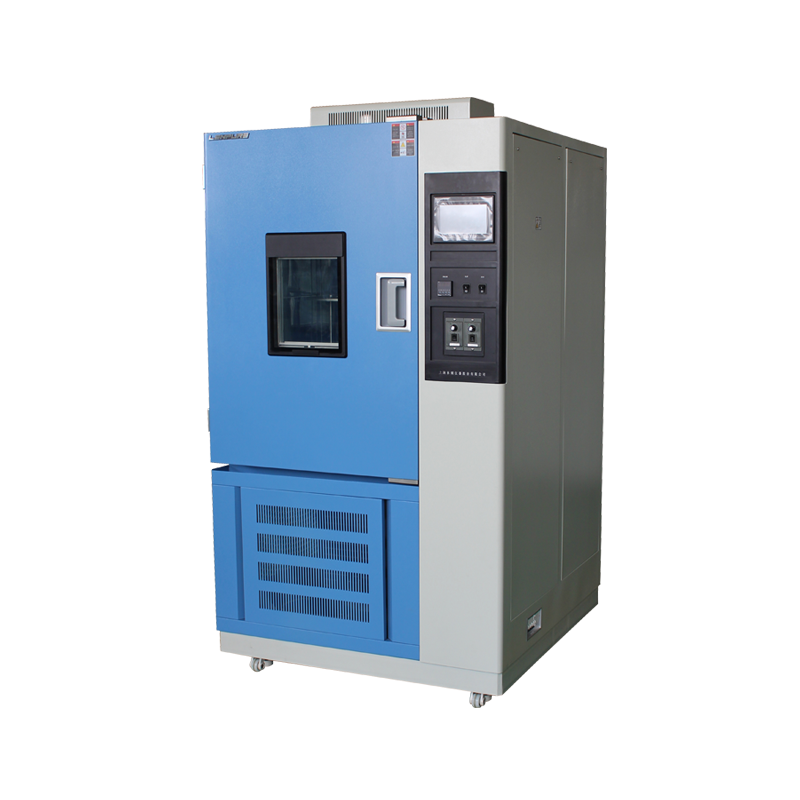
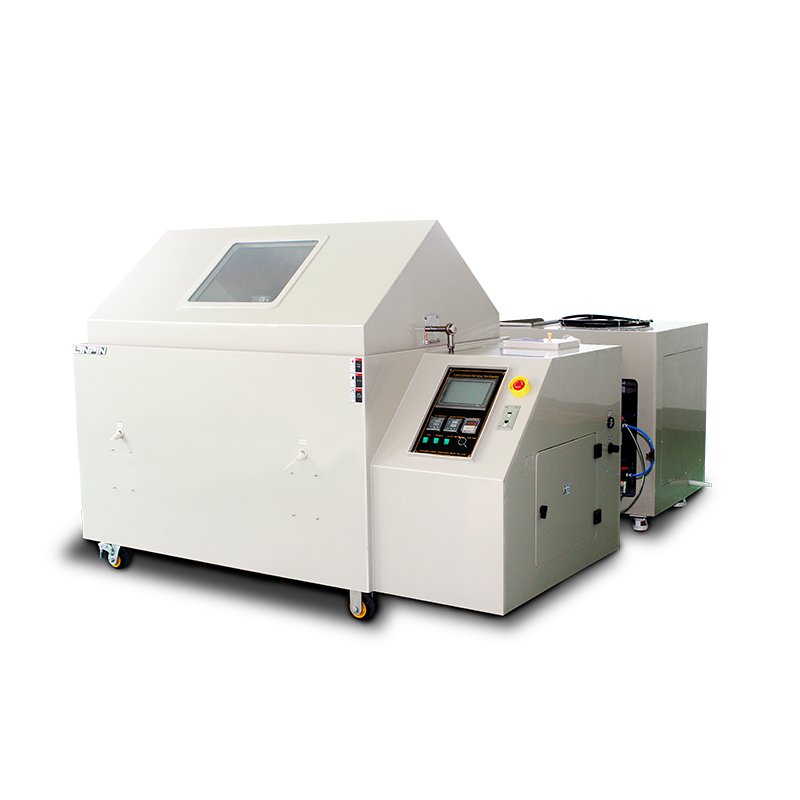
Walk-in dust and sand test chambers are designed to simulate natural sandstorm conditions to test the protective performance of large equipment, while IP56X dust and sand chambers focus on shell sealing detection and are suitable for small and medium-sized electronic and electrical products. Both have their own advantages in terms of size and test conditions.

There are significant differences between walk-in dust and sand test chambers and IP56X dust and sand chambers in terms of design and functionality. These differences are mainly reflected in their purposes, size and capacity, test conditions, and scope of application. The following is a detailed comparison of the two:
I. Purpose and Structure
Walk-In Dust and Sand Test Chamber
Main Purpose: It is primarily used to simulate sandstorm weather conditions in natural environments to test the protective performance, sealing, wear resistance, corrosion and resistance of products under such harsh conditions. It can also be used to study the impact of sandstorms on human health and assess the effectiveness of protective measures.
Structural Features: It usually consists of a closed room or chamber, equipped with a dust and sand generator, fan, filter, and other devices to create a high-concentration sandstorm environment. The walk-in design facilitates the testing of large samples or equipment.
IP56X Dust and Sand Chamber
Main Purpose: It is mainly used to test the sealing performance of product enclosures, especially for the IP5X and IP6X protection levels specified in the enclosure protection rating standards. It is suitable for testing electronic and electrical products, lamps, electrical cabinets, electrical components, automotive and motorcycle parts, and other products exposed to dry blowing sand, dust, or falling dust conditions.
Structural Features: It is usually smaller in size and more convenient for use in laboratories or testing rooms. It also has a dust and sand generator, fan, and other devices inside, but the scale and design may be more compact.
II. Size and Capacity
Walk-In Dust and Sand Test Chamber: It is larger in size and can accommodate large samples or equipment. The maximum sample size can reach 2000×1000 mm or larger.
IP56X Dust and Sand Chamber: It is smaller in size and is suitable for testing small and medium-sized samples or equipment. The specific size may vary depending on the manufacturer model and.
III. Test Conditions
Walk-In Dust and Sand Test Chamber: It typically uses sand and dust with a particle size of 1–10 μm for testing, with a dust concentration controlled within the range of 1.0–1.5 g/m³. The airflow speed during the test can be adjusted between 0 and 10 m/s, and the temperature environment is maintained within the range of ambient temperature to 60 °C.
IP56X Dust and Sand Chamber: The test conditions may vary depending on the specific model and manufacturer, but it generally also uses sand and dust with a certain particle size and concentration for testing, and controls the airflow speed and temperature environment. The specific values may vary depending on the equipment.

25.05






Copyright © 2025 Shanghai Linpin Instrument Co., Ltd Copyright
| ICP Number:Shanghai ICP Record No. 12029585-7
| Sitemap






 EN
EN
 中文
中文 Pусский
 Tiếng Việt
 ภาษาไทย
 پاکستانی زبان