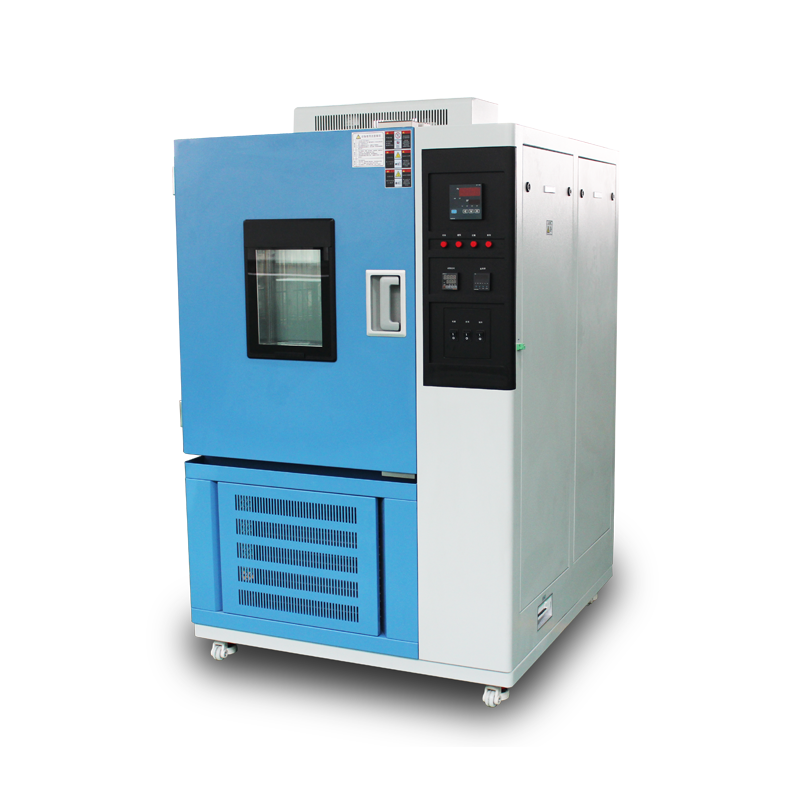
Proper protective measures are essential when operating a UV aging test chamber because it uses UV lamps, which can cause eye damage if not handled correctly. To prevent such risks, appropriate precautions must be taken.

What Type of UV Lamp Does the UV Aging Test Chamber Use?
The type of UV lamp affects the necessary protective measures, as different wavelengths have varying levels of harm:
Long-Wave UV Lamps (320–400 nm, UVA)
Workers should wear slightly thicker work clothes.
Must use UV-protective goggles (with fluorescence-enhancing function) and gloves to shield skin and eyes from exposure.
Medium-Wave UV Lamps (280–320 nm, UVB)
Prolonged exposure can cause skin capillary damage, leading to redness and swelling.
Full protective clothing and goggles are mandatory to prevent facial and eye injuries.
Short-Wave UV Lamps (200–280 nm, UVC)
Highly destructive—breaks down DNA in cells, killing bacteria and viruses.
Extremely hazardous to humans—workers must wear a full-face protective mask to prevent severe skin and eye damage.
Additional Safety Reminders
Always follow proper operating procedures to avoid accidental exposure.
If eye or skin injuries occur, seek immediate medical attention.
By understanding the UV lamp type and taking the right precautions, workers can safely operate UV aging test chambers while minimizing health risks. Stay protected!
26.09


25.11








Copyright © 2025 Shanghai Linpin Instrument Co., Ltd Copyright
| ICP Number:Shanghai ICP Record No. 12029585-7
| Sitemap






 EN
EN
 中文
中文 Pусский
 Tiếng Việt
 ภาษาไทย
 پاکستانی زبان