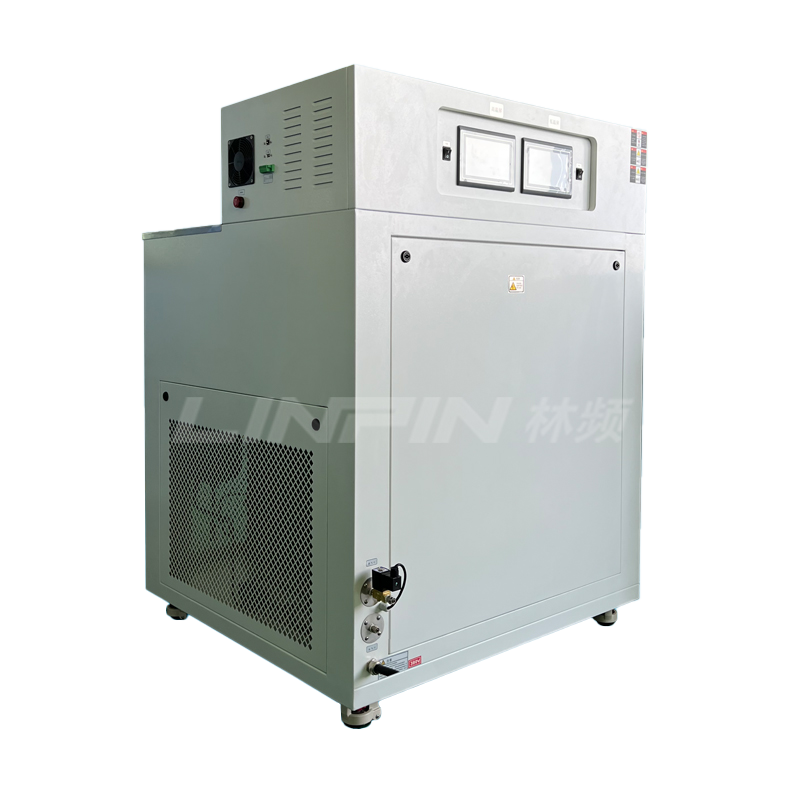
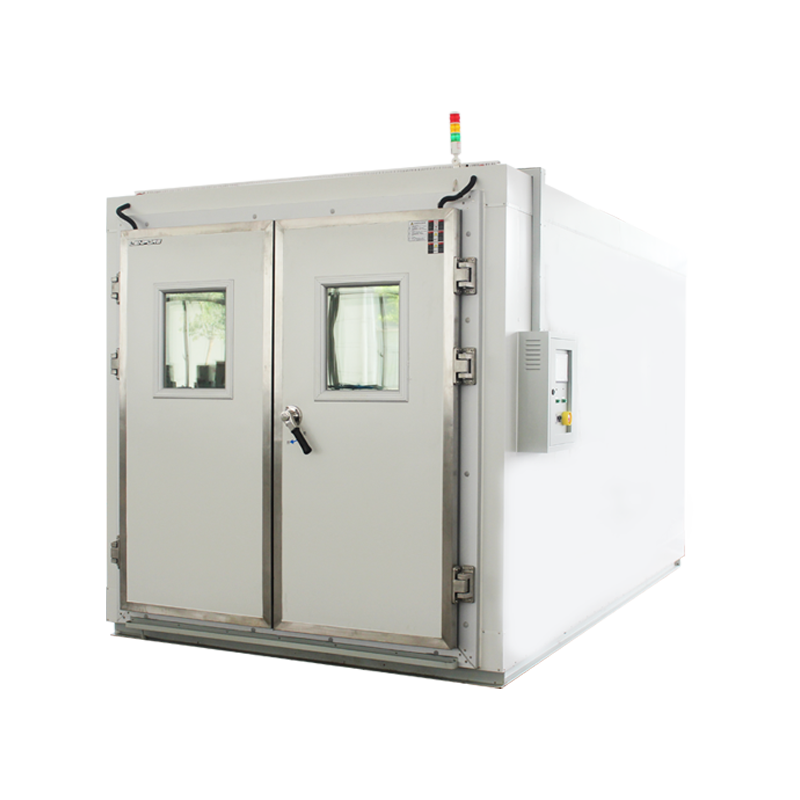
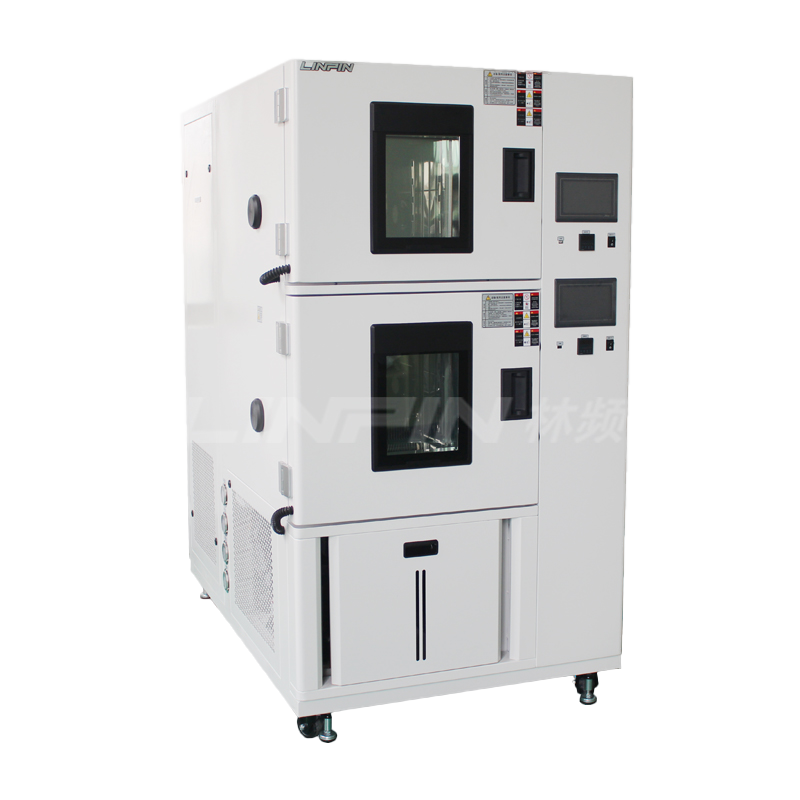
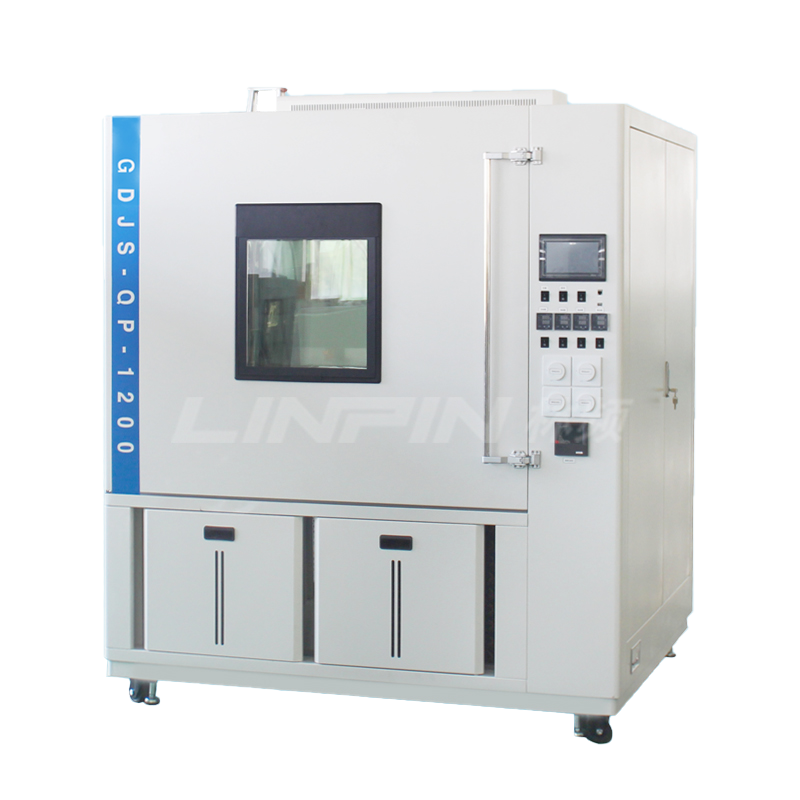
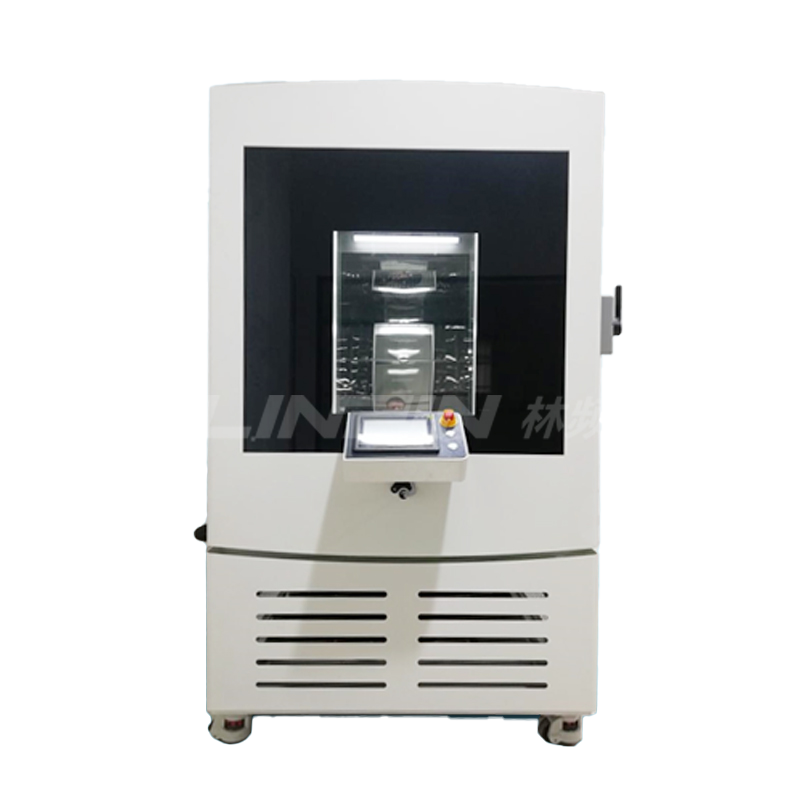
Some may consider the cleaning of high and low-temperature test chambers a minor issue and not take it seriously. However, proper cleaning can improve equipment efficiency, reduce failure rates, and lower operational costs. This article emphasizes the importance of this task and provides a brief guide on cleaning procedures.
Pre-Use Cleaning
Before operating the test chamber, ensure the interior is free of debris. If the equipment has been unused for an extended period, clean external dust to maintain testing accuracy.
Post-Use Cleaning
Humidity Sensor Maintenance
Remove the wet bulb gauze from the working chamber.

If the gauze appears normal, wash and air-dry it for reuse, saving costs and protecting the humidity sensor.
Discard the gauze if it turns yellow or hardens.
Chamber Cleaning
Wipe away stains and moisture with a clean cloth.
For larger chambers, activate the high-temperature function (50°C for 30 minutes) to dry residual moisture.
Dust Removal
Open the wind deflector beneath the working chamber (methods vary by model—older units may require tools).
Use a dry cloth or vacuum to remove accumulated dust.
Water Tank Maintenance
Drain and clean the storage tank to prevent scaling, ensuring accuracy in future tests.
Regular maintenance extends component lifespan.
Key Reminder
Clean the chamber promptly after use.
Regularly inspect parts for wear or damage, replacing them as needed.
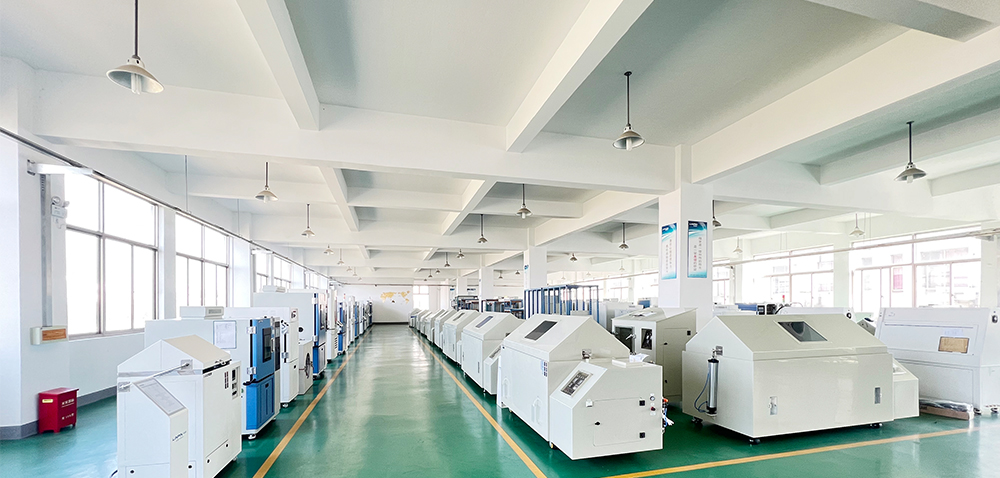
Linpin Instruments, a manufacturer of test chambers, offers a range of reliable equipment. Customers in need are welcome to visit our facility for purchases.







Copyright © 2025 Shanghai Linpin Instrument Co., Ltd Copyright
| ICP Number:Shanghai ICP Record No. 12029585-7
| Sitemap






 EN
EN
 中文
中文 Pусский
 Tiếng Việt
 ภาษาไทย
 پاکستانی زبان