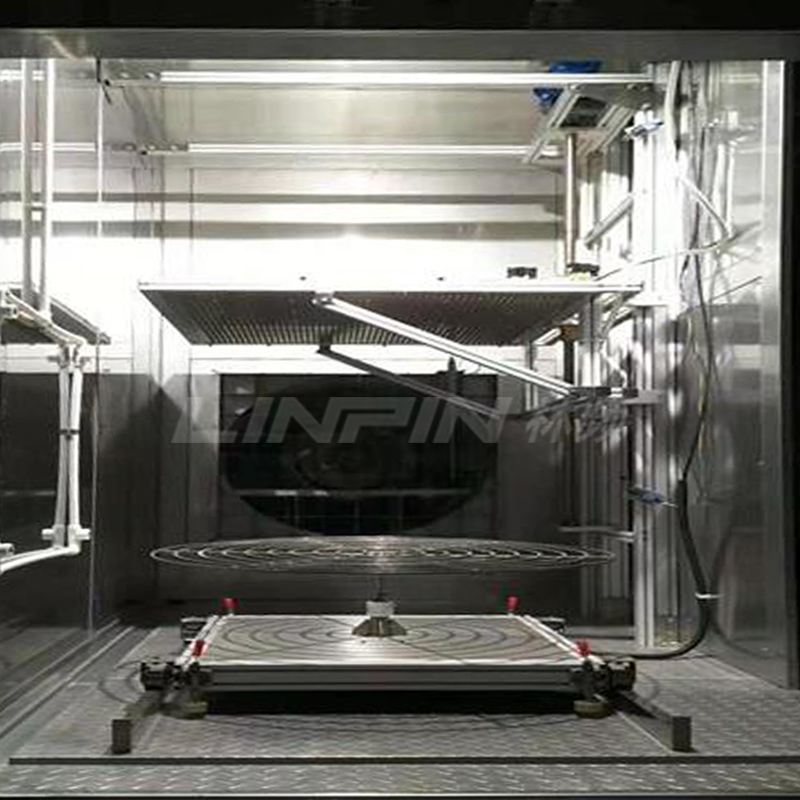
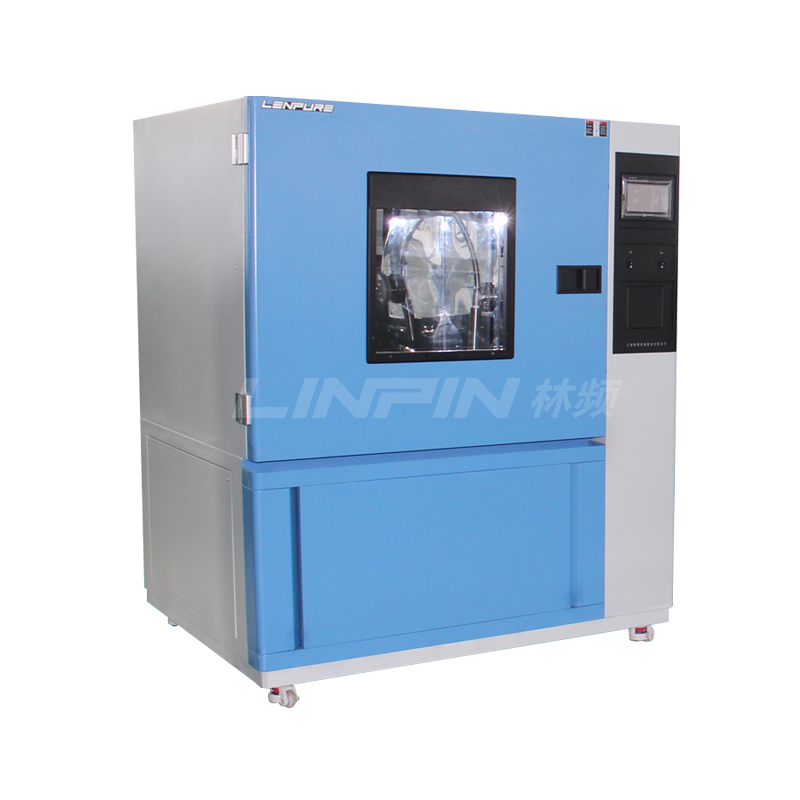
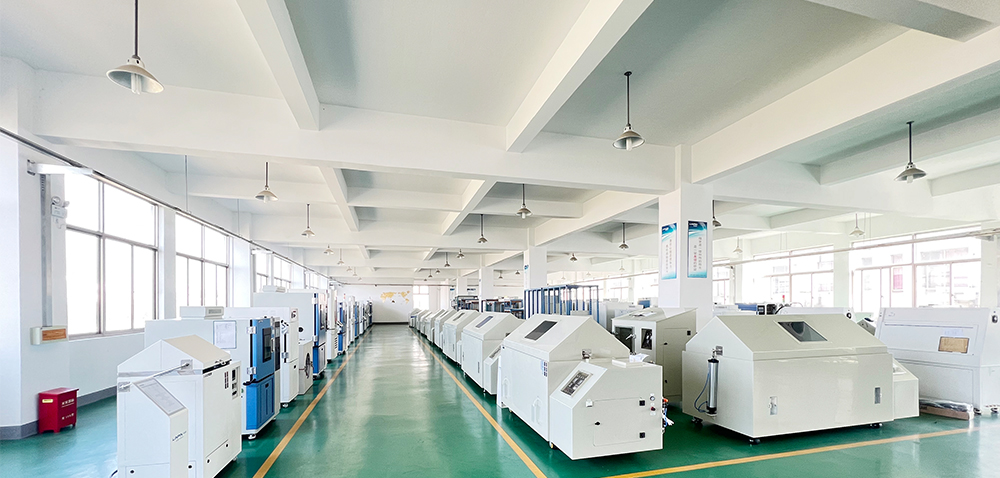
Rain test chambers, also commonly referred to as waterproof test chambers or box-type rain test chambers, are primarily used to evaluate whether the casings or sealed components of electrical and electronic products, household appliances, and various lighting fixtures are affected during rain testing, and whether their operational performance and adaptability can be maintained.
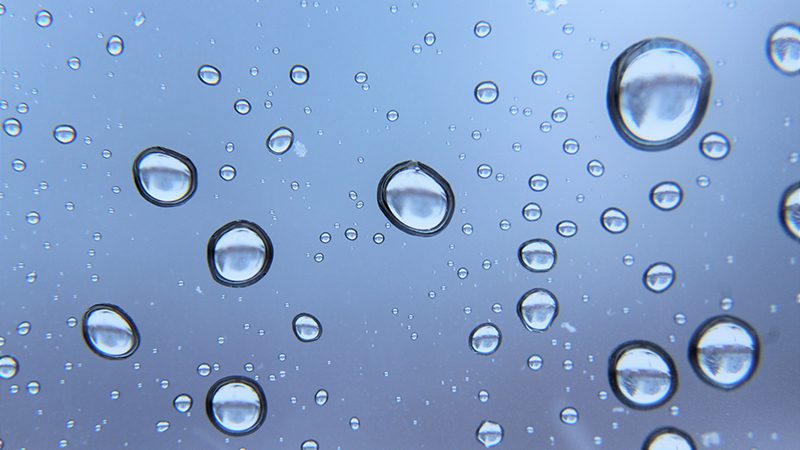
These testing devices can simulate natural precipitation, water seepage, splashing, and other climatic conditions in the external environment, replicating the impact of outdoor rain climates on product materials.
As for the potential issues that may arise during testing with rain test chambers, and how to use the chambers more safely and effectively, the following points outline key considerations to help ensure successful testing.

First, it is essential to control the rainfall volume and duration within the test chamber, as deviations may affect the test results. Testing must align with real-world conditions. If the test duration is too long, excessive rainfall may occur, which does not reflect natural precipitation and can lead to inaccurate results. Conversely, if the test time is too short, the rainfall may not sufficiently interact with the sample, failing to meet the basic conditions for water ingress and thus not achieving the intended evaluation outcome.
Second, the sample must be positioned correctly; otherwise, test results may deviate. When simulating real rainfall conditions, the direction of rainfall may vary with each test, leading to differences in the contact area between the sample surface and the water. Variations in rainfall exposure can cause discrepancies in test results. Therefore, proper sample placement is crucial during testing.
Third, water pressure plays a critical role in testing, and unstable pressure can disrupt the process. The pressure required for the chamber’s operation is supplied by potable water, which may fluctuate between high and low pressure. To ensure smooth testing, stable working pressure must be maintained, making water storage and pressure stabilization devices indispensable.
Fourth, the water temperature for testing should ideally be within the range of 15°C ± 10°C to avoid affecting the results. Heavy rainfall typically occurs during hot summers, and as rainwater falls, it adjusts the ambient temperature. The temperature difference between the falling rainwater and the sample reduces the likelihood of internal condensation. Thus, controlling the temperature of the water used in the rain test chamber is essential.

25.03
25.03







Copyright © 2025 Shanghai Linpin Instrument Co., Ltd Copyright
| ICP Number:Shanghai ICP Record No. 12029585-7
| Sitemap






 EN
EN
 中文
中文 Pусский
 Tiếng Việt
 ภาษาไทย
 پاکستانی زبان