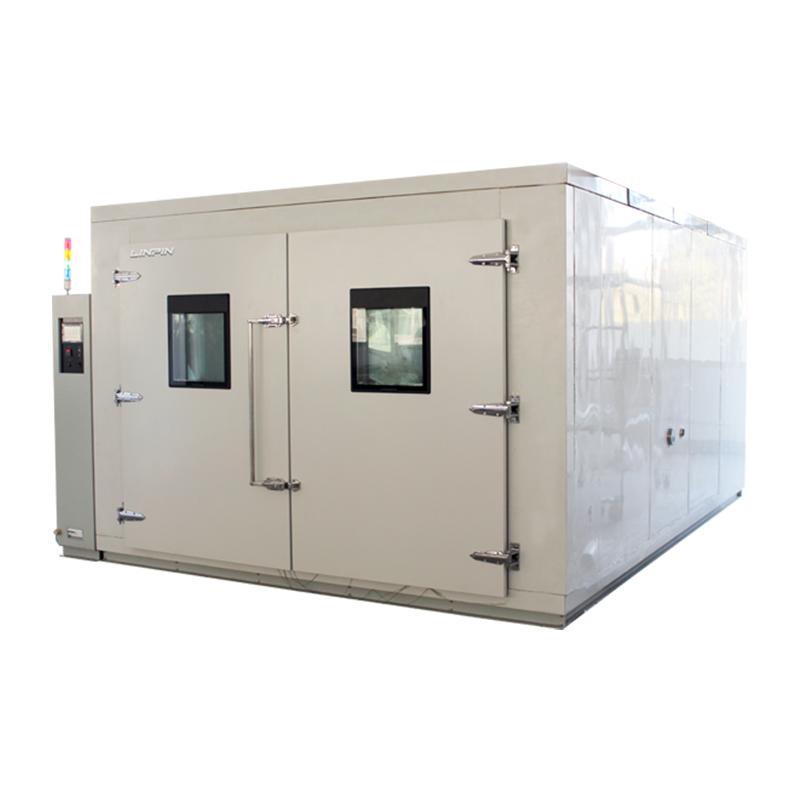
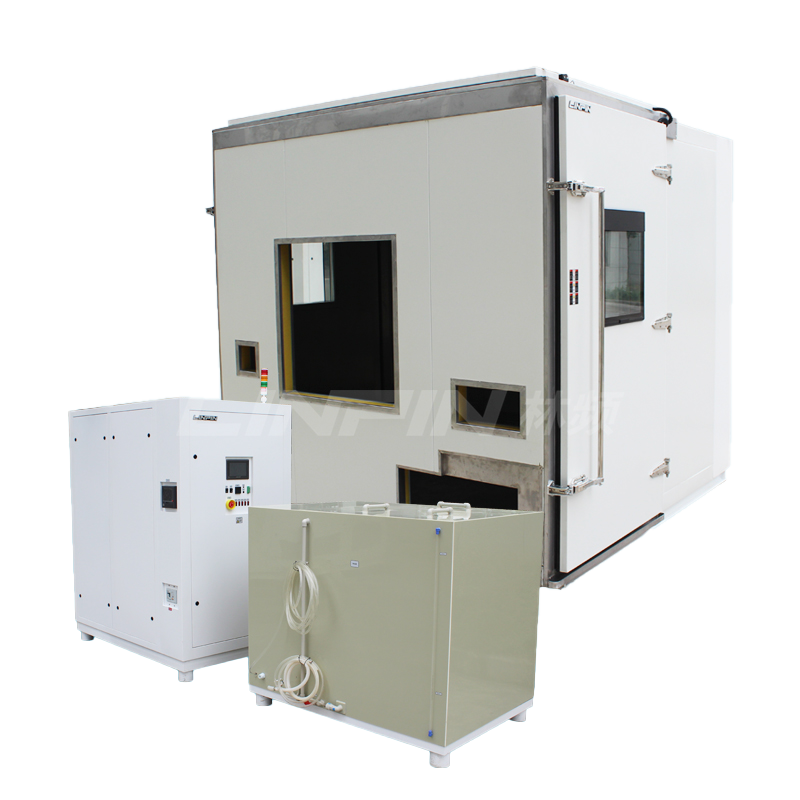
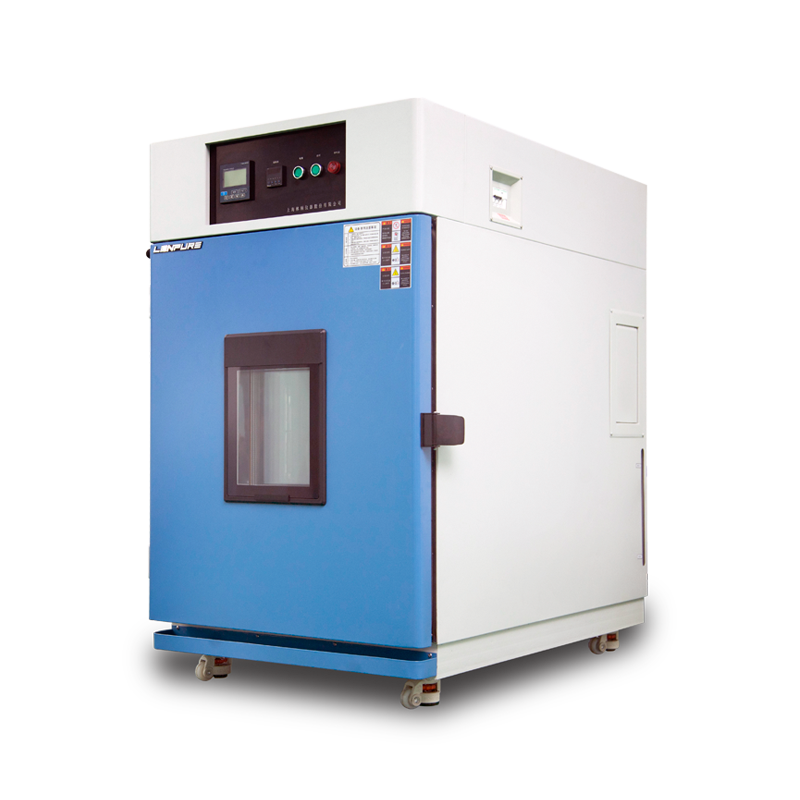
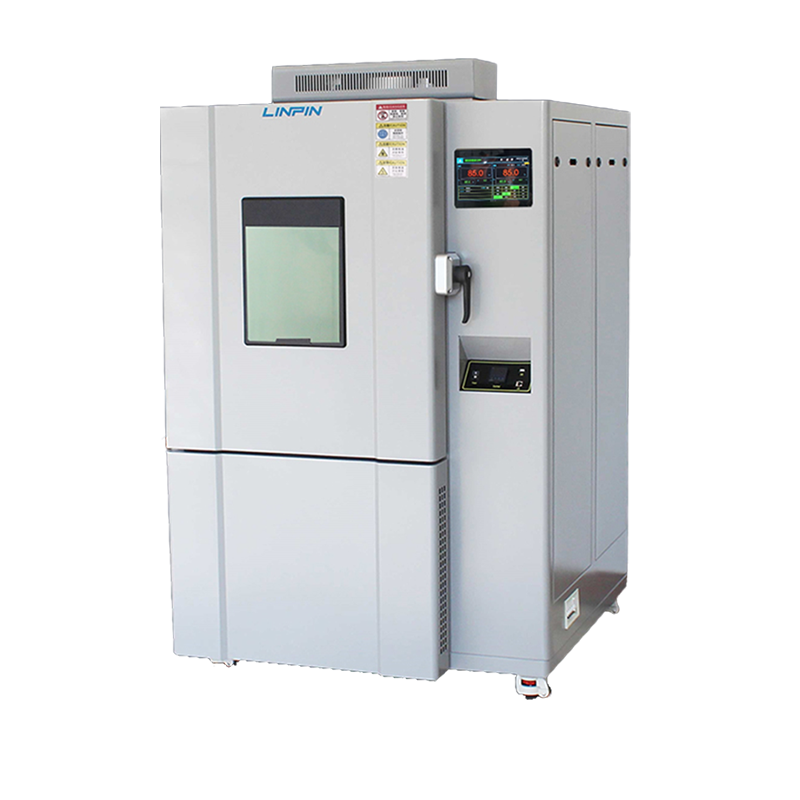
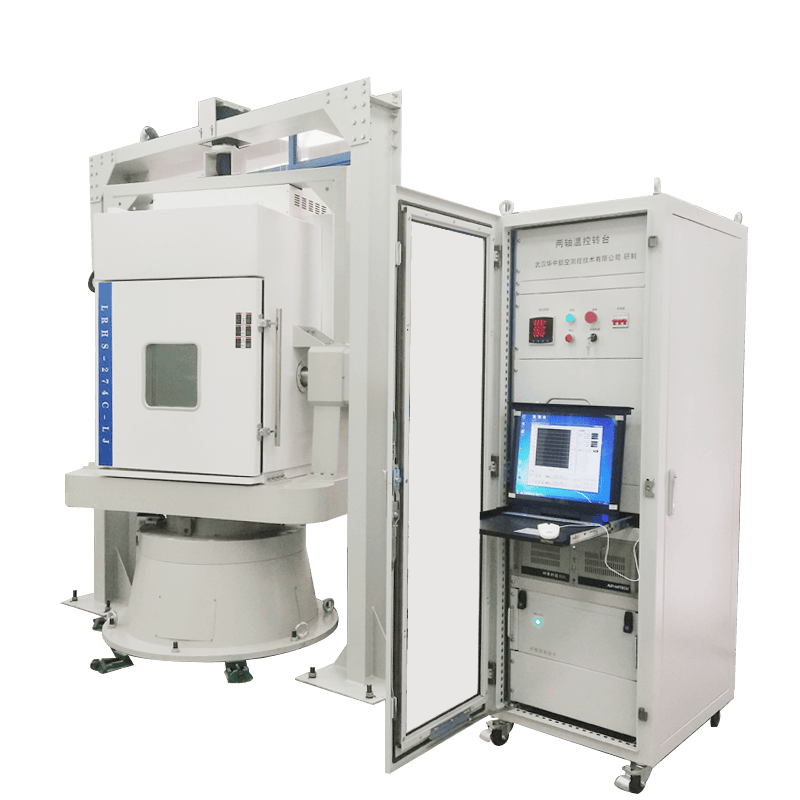
Sudden power outages can have certain impacts on low-temperature test chambers, whether caused by human factors or other reasons.
1. Interruption of the Test
The most immediate impact of a power outage is the interruption of the test. To resume the test, you need to wait for the power to be restored, or you can prepare a backup generator.
2. Impact on Components
If the power is cut off while the compressor of the low-temperature test chamber is running, and then quickly restored, the motor may encounter high-pressure refrigerant under heavy load, making it very difficult to start. In some cases, the motor may not start at all. When the motor starts, the current can be up to 10 times the normal value, which may burn out the motor. To avoid this, you can wait for 5 minutes after the power is restored before reconnecting the power supply. This allows the high-pressure refrigerant to reduce its pressure, preventing motor damage.

3. Impact on Test Data
Many manufacturers have optimized their products to include safety protection measures in case of sudden power outages. These measures help staff promptly identify issues and save relevant data. However, staff need to set up these features according to specific requirements.
What to Do in Case of Power Outage
If a power outage occurs while using a low-temperature test chamber, there is no need to panic. Follow the correct procedures to handle the situation. Low-temperature test chambers are widely used in many industries as common environmental testing products, with temperature ranges typically between -80°C and 0°C. Different manufacturers offer various models. Our company, as a test equipment manufacturer, can customize equipment according to customer requirements. You can call 400-066-2888 to learn more about equipment parameters and pricing.
25.05

26.05

26.08







Copyright © 2025 Shanghai Linpin Instrument Co., Ltd Copyright
| ICP Number:Shanghai ICP Record No. 12029585-7
| Sitemap






 EN
EN
 中文
中文 Pусский
 Tiếng Việt
 ภาษาไทย
 پاکستانی زبان