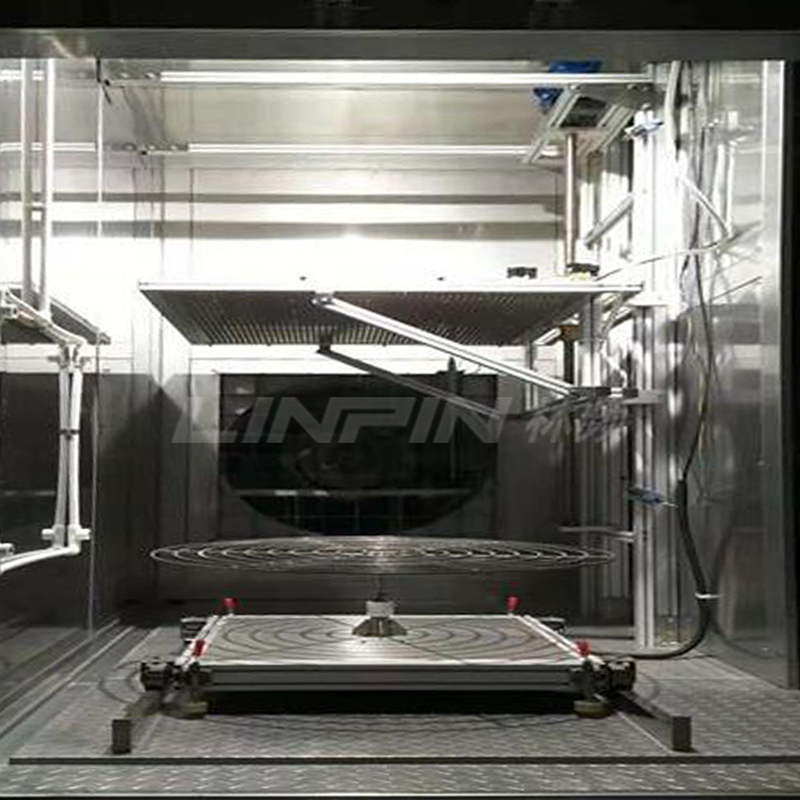
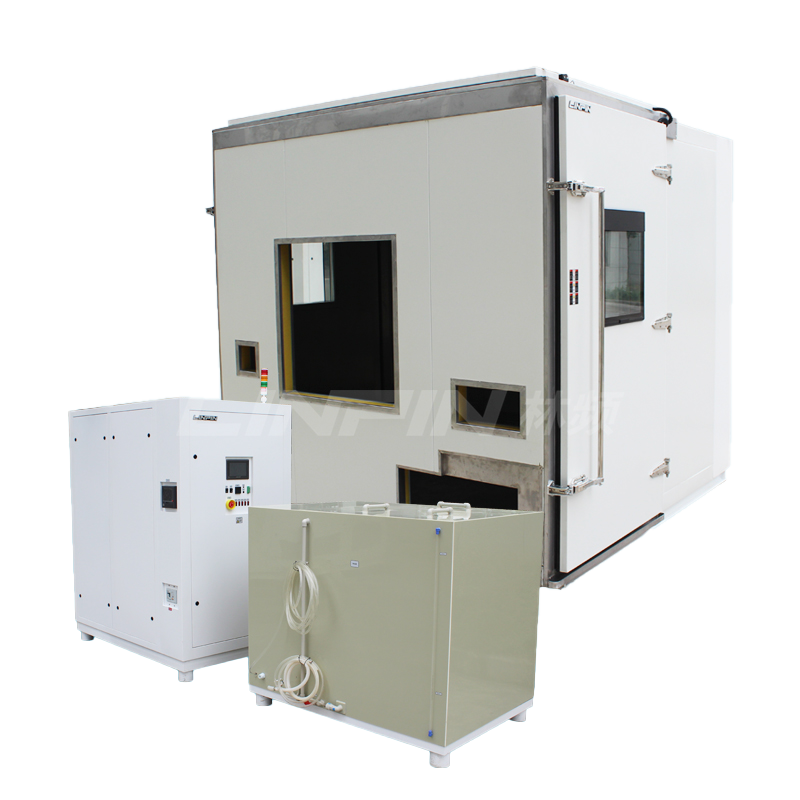
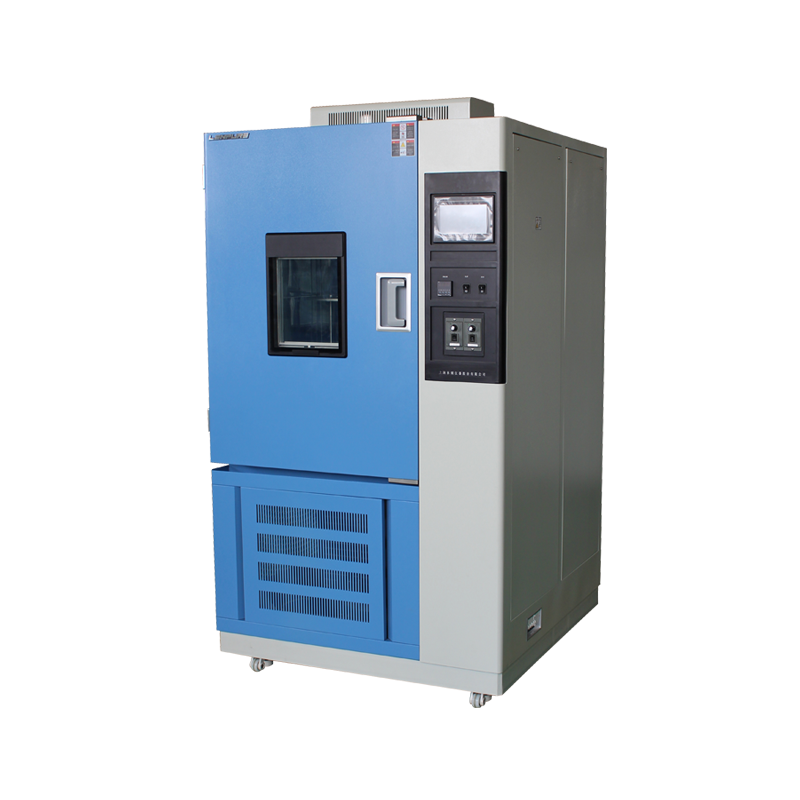
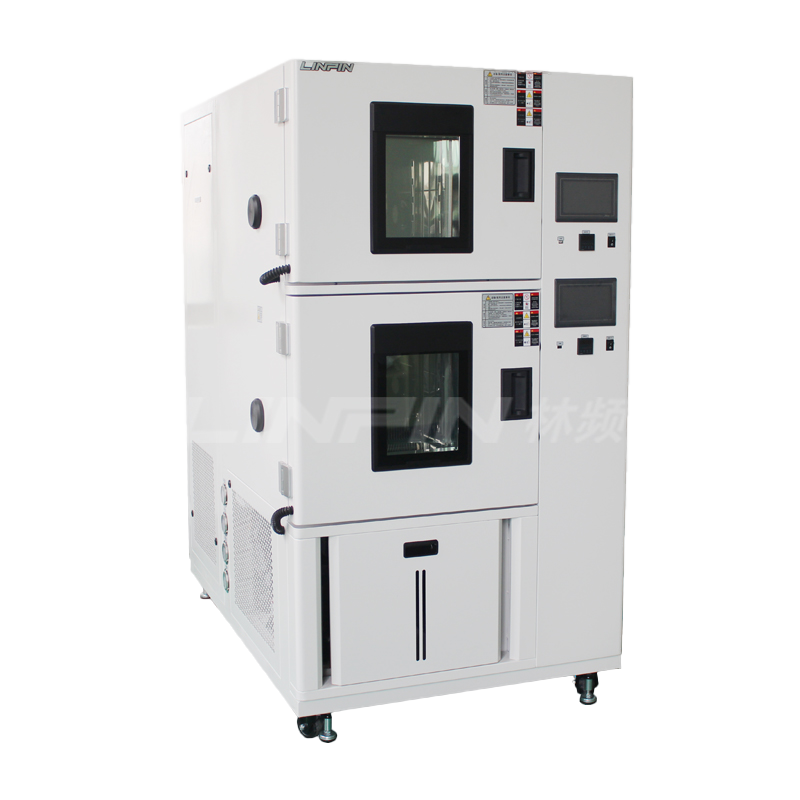
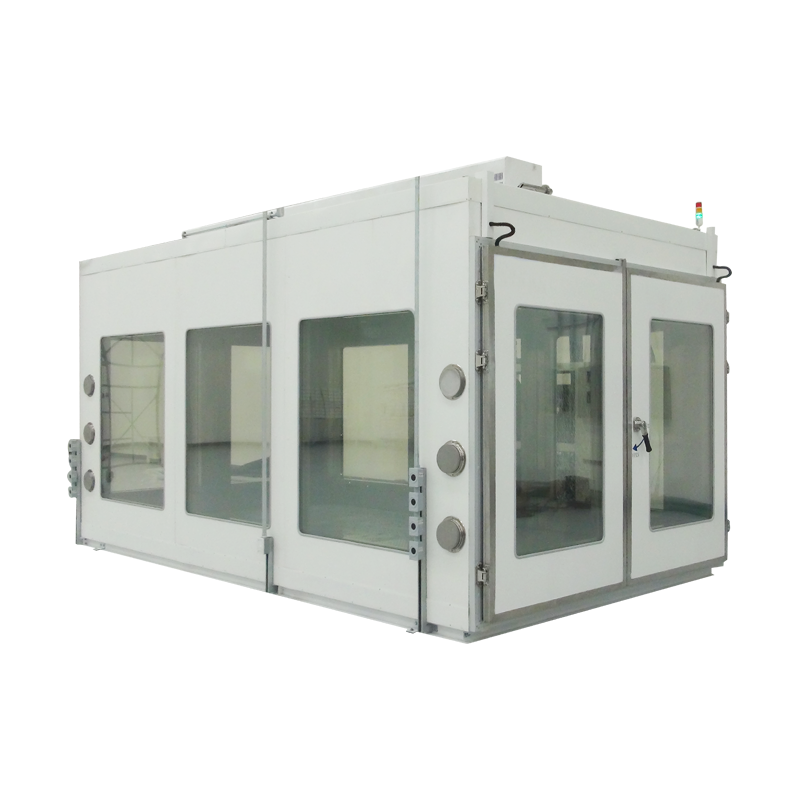
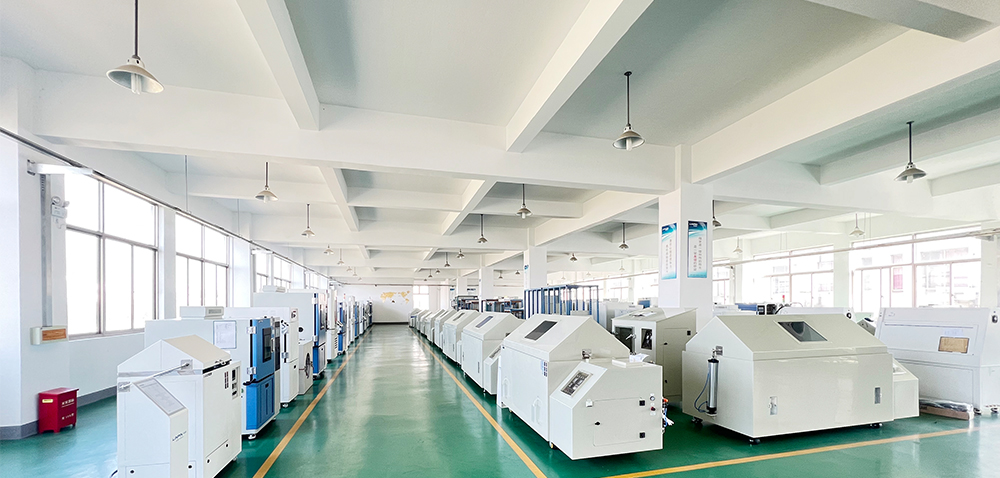
Low-temperature test chambers are primarily utilized to evaluate the storage capacity and environmental adaptability of electronic and electrical products, automotive and home appliance components, and other materials under ultra-low temperature climatic conditions. To assess the parameters and performance of these products in low-temperature environments, selecting a temperature range of 0°C to -80°C will generally suffice for achieving the intended test objectives.
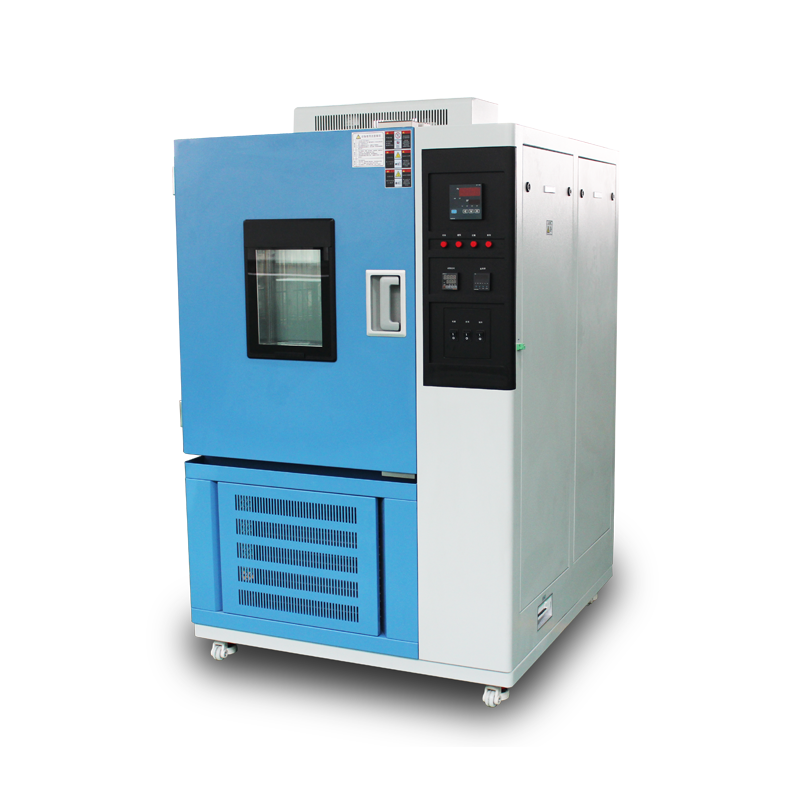
During the installation of a low-temperature test chamber, it is strictly prohibited to position the equipment in proximity to flammable or explosive substances, toxic materials, or highly corrosive agents. Such proximity may compromise test accuracy, result in equipment damage, and accelerate equipment aging. After the test chamber has been properly installed, it is advisable not to activate the equipment immediately. Instead, the chamber should be allowed to remain stationary for one to two days before powering on. This practice enables the refrigeration system to operate more effectively and stably during subsequent testing, thereby extending the service life of the equipment. Should the equipment remain unused for extended periods, regular dehumidification procedures should be conducted to prevent internal components from rusting, deteriorating, or sustaining damage due to prolonged inactivity.
As a high-performance, aesthetically designed, and highly reliable environmental testing instrument, the low-temperature test chamber represents the preferred choice for numerous users. This preference is attributable to the following performance advantages:
I. Extensive Temperature Control Range
The test chamber offers a broad temperature control spectrum, ranging from ultra-low temperatures of -80°C to ambient temperatures of +10°C. This wide selection accommodates the diverse requirements of different users.
II. Unique Balanced Temperature Regulation Method
The equipment employs a distinctive balanced temperature regulation approach, enabling users to adjust and achieve the optimal temperature environment according to specific product testing requirements. This method features stable and balanced heating capabilities, facilitating high-precision and highly stable temperature control.
III. Convenient Temperature Setting Interface
The internal temperature setting of the low-temperature test equipment utilizes a keyboard-based controller, rendering the configuration process more convenient and intuitive, with simplified operation. The instrument also incorporates deviation correction functionality, enabling the acquisition of more accurate test conditions following calibration.
IV. Intelligent Refrigeration Circuit Selection
The equipment is equipped with an automatic refrigeration circuit selection function that responds to changes in temperature setting values, allowing users to operate the system with minimal difficulty.
Finally, it should be noted that the refrigeration system of the low-temperature test chamber comprises a cascaded refrigeration unit assembled from high-quality compressors. This system not only demonstrates exceptional reliability and convenient maintenance characteristics but also satisfies the equipment’s requirements for cooling rate and minimum temperature attainment. Furthermore, the refrigeration system design appropriately reduces energy consumption while ensuring normal equipment operation, thereby achieving energy conservation objectives and reducing economic expenditure.
















 EN
EN
 中文
中文 Pусский
 Tiếng Việt
 ภาษาไทย
 پاکستانی زبان