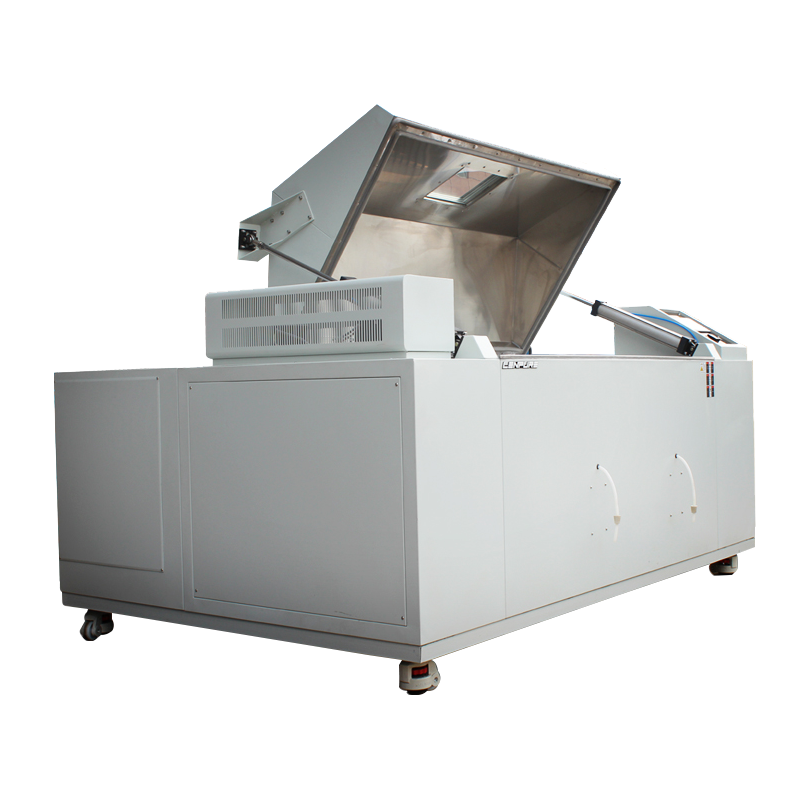
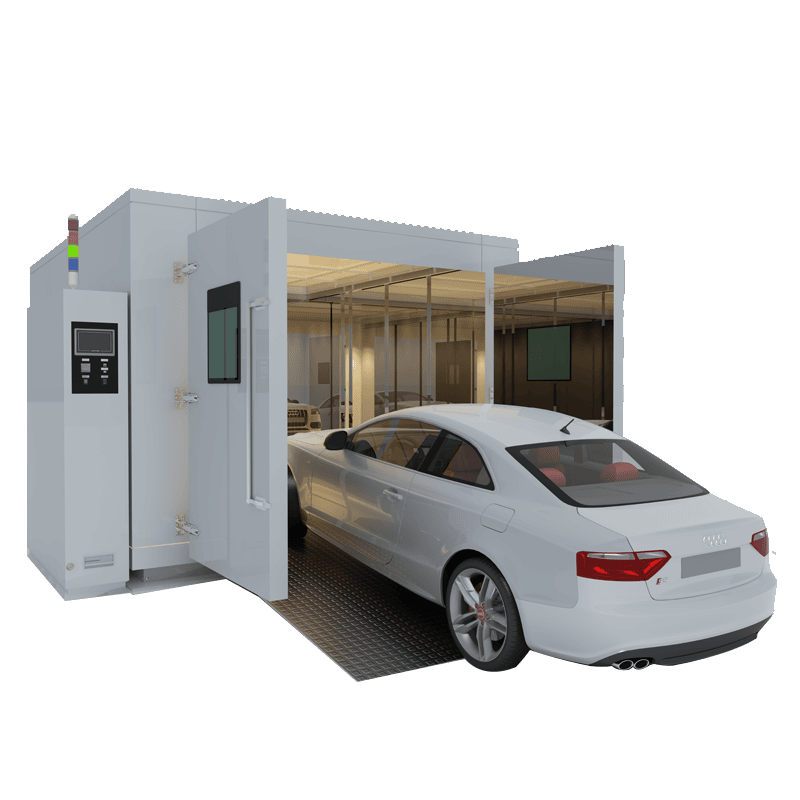
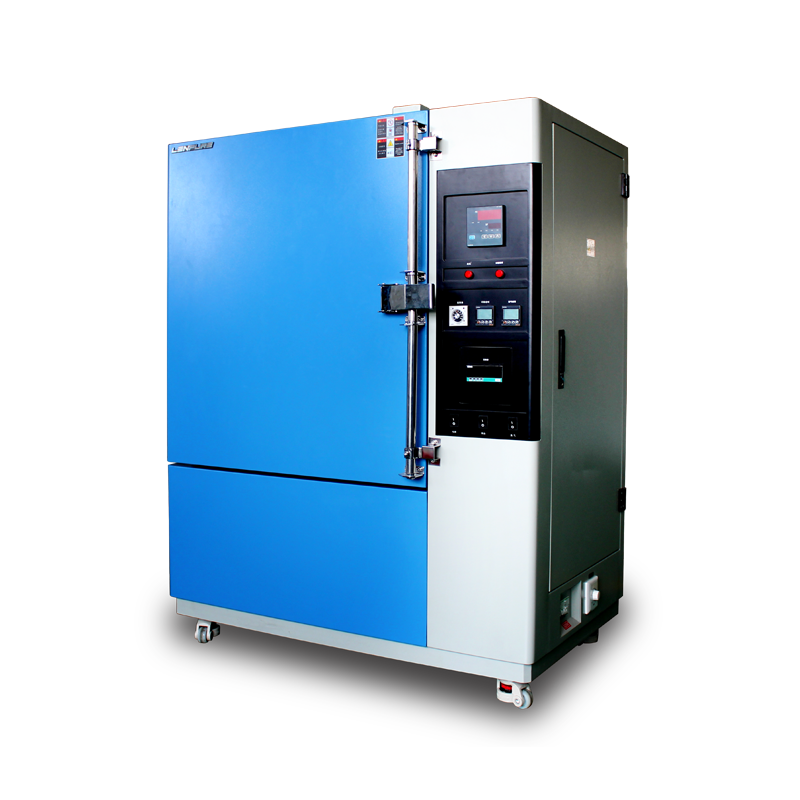
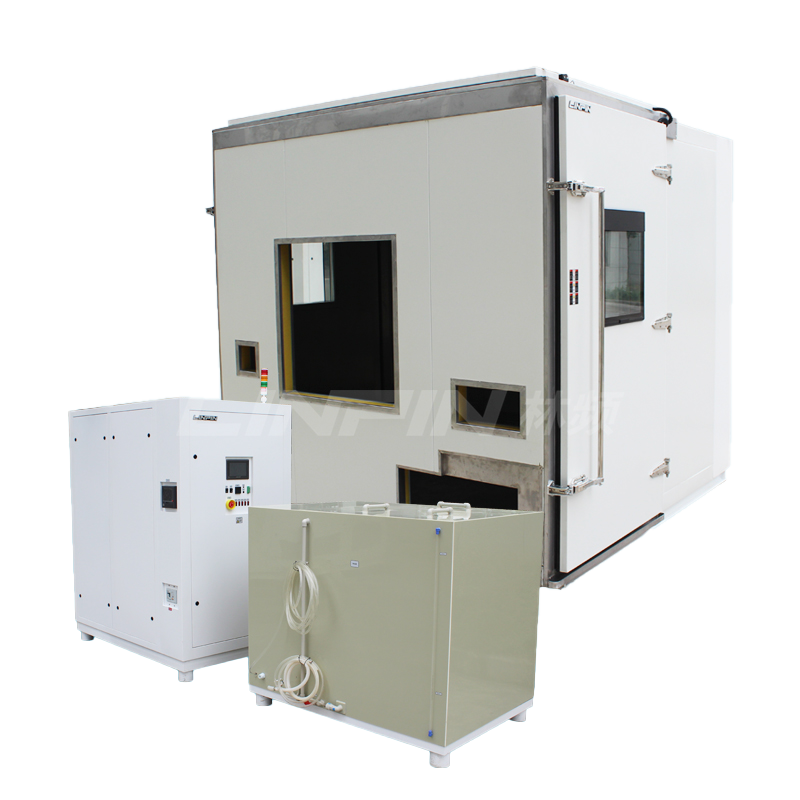
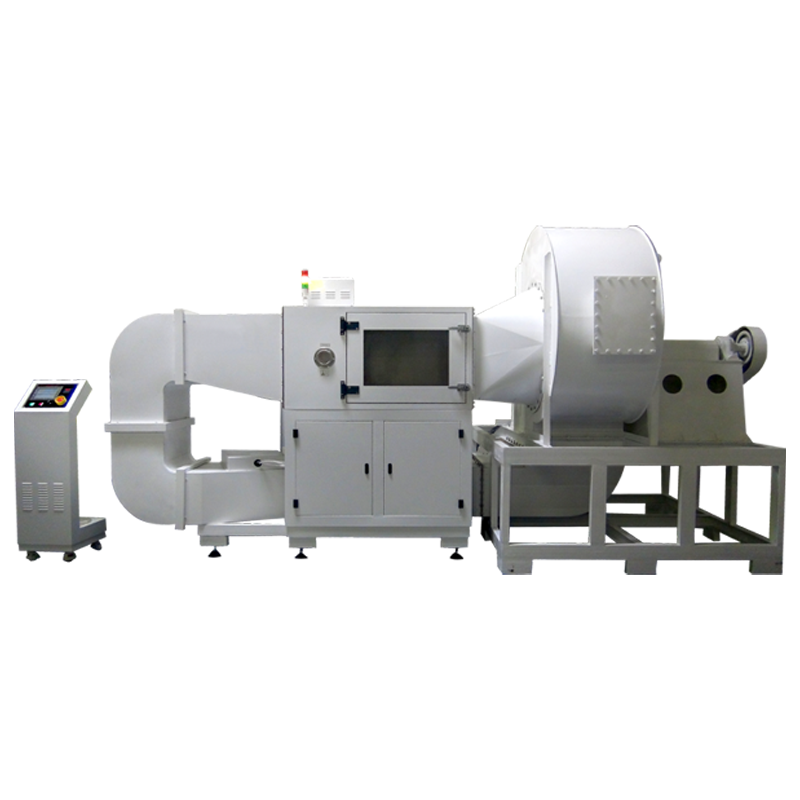
A cold and hot shock test chamber is an environmental test equipment used to evaluate the performance and reliability of products under extreme temperature changes. It simulates the environment of rapid temperature fluctuations within a short period by quickly switching between high and low temperatures, assessing the temperature shock resistance of materials, electronic components, automotive parts, aerospace equipment, and more.

Main Features
Rapid Temperature Transition:
It can switch between high and low temperatures (or vice versa) within seconds to minutes, with a typical temperature change rate of over 15℃/min.
Implementation: Achieved through a two-box method (switching between a high-temperature box and a low-temperature box) or a three-box method (high-temperature zone, low-temperature zone, and test zone).
Temperature Range:
High-temperature range: Usually up to +150℃ to +200℃.
Low-temperature range: -40℃ to -70℃ (or even lower, such as -80℃).
Test Standards:
It complies with international standards such as:
IEC 60068-2-14 (temperature change test)
MIL-STD-810 (environmental test for military equipment)
ISO 16750 (automotive electronics test)
JESD22-A104 (electronic component test)
Application Fields:
Electronic components (chips, PCBs, batteries, etc.)
Automotive industry (sensors, lights, seals)
Aerospace (material resistance to extreme temperatures)
Thermal fatigue testing of plastics, rubber, and metal materials

Common Types
Two-Box Cold and Hot Shock Chamber:
Switches between high and low-temperature boxes by moving the test samples, achieving rapid temperature transition (completed within 5 to 15 seconds).
Three-Box Cold and Hot Shock Chamber:
Samples are placed in the test zone, and high and low-temperature airflows are switched via dampers, avoiding mechanical movement and suitable for precision samples.
Liquid Bath Shock Chamber:
Uses high-temperature oil or low-temperature liquid for extremely rapid temperature changes (e.g., -65℃ to +150℃ within 10 seconds).
Selection Considerations
Temperature range: Choose the appropriate high and low-temperature limits based on testing requirements.
Temperature change rate: Clarify whether it is “temperature transition time” or “actual sample temperature change rate.”
Sample size and weight: Ensure that the internal chamber size and load capacity of the test chamber meet the requirements.
Control system: Whether it supports programming, data recording, remote monitoring, and other functions.
Reliability: The brand and quality of key components such as compressors, heaters, and sensors.
Common Faults and Maintenance
Temperature instability: Check the sensors and whether there is a refrigerant leak.
Failure to reach low temperature: It may be due to compressor failure or poor heat dissipation.
Frosting/icing: Regular defrosting to avoid affecting cooling efficiency.









Copyright © 2025 Shanghai Linpin Instrument Co., Ltd Copyright
| ICP Number:Shanghai ICP Record No. 12029585-7
| Sitemap






 EN
EN
 中文
中文 Pусский
 Tiếng Việt
 ภาษาไทย
 پاکستانی زبان