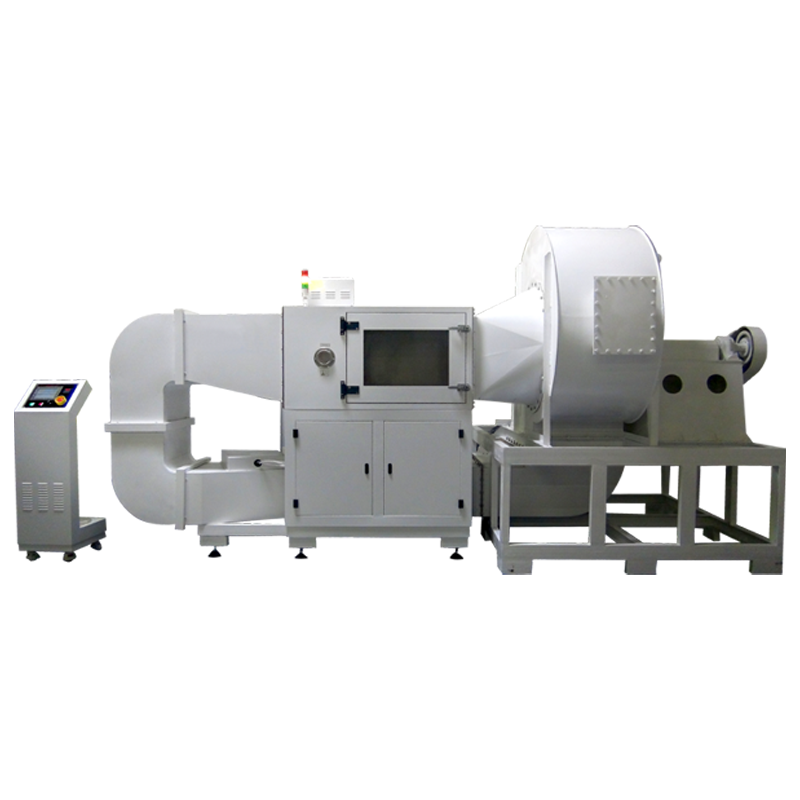
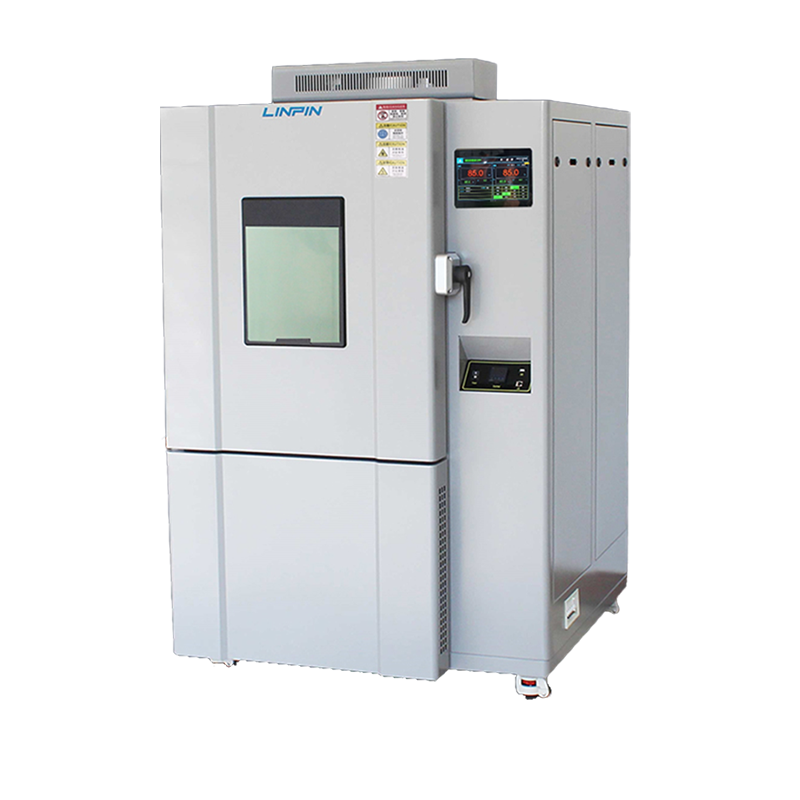
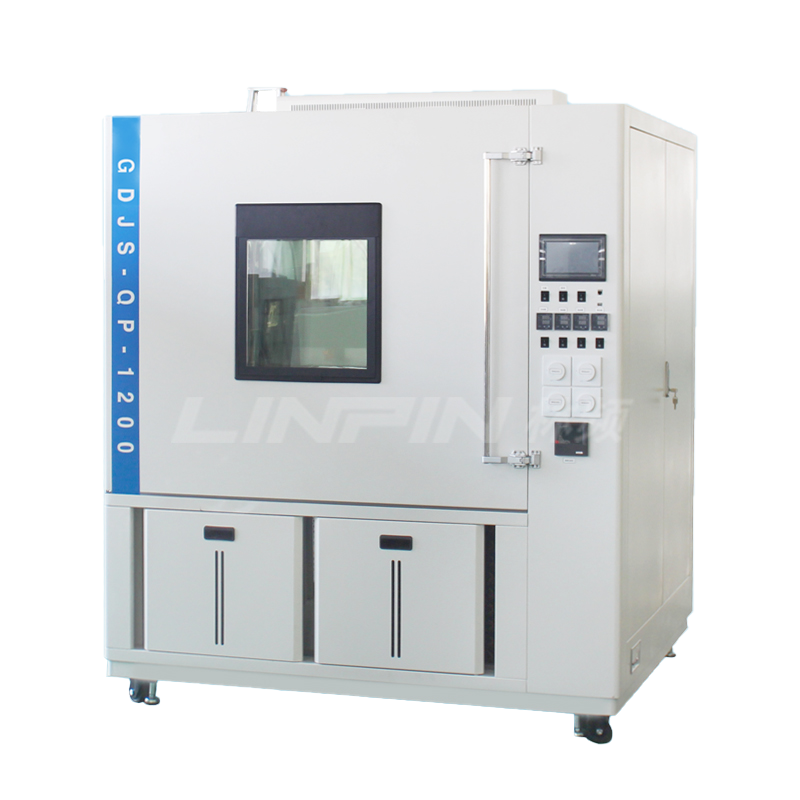
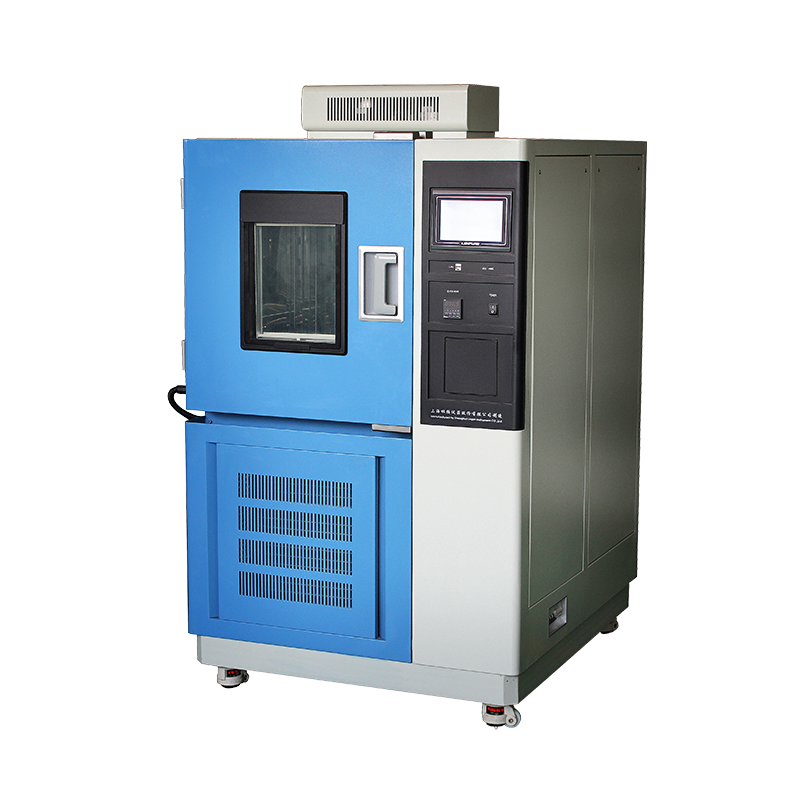
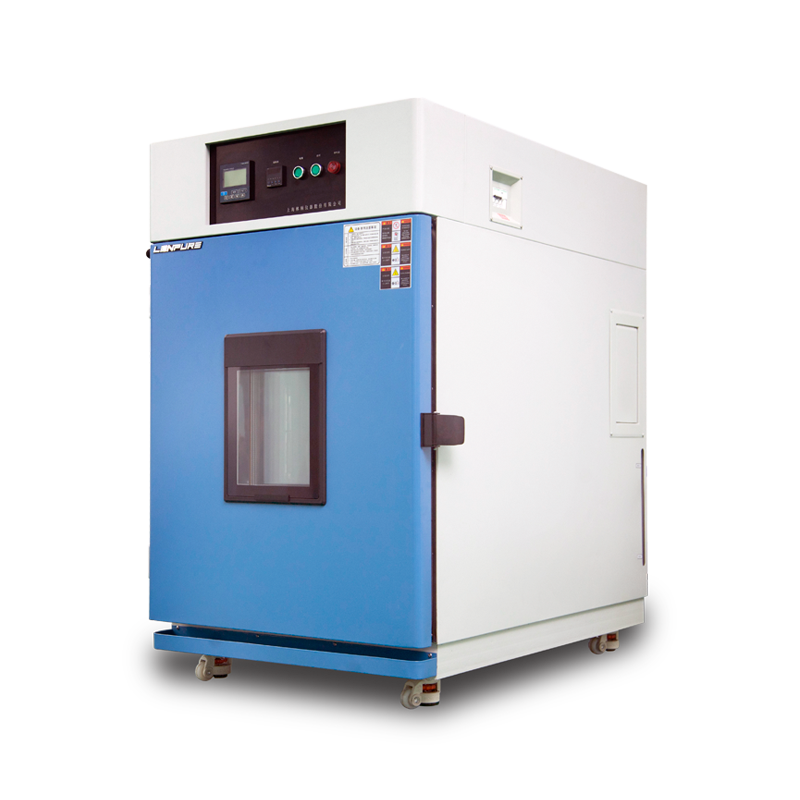
As is well known, the inner chamber of a UV aging test chamber is typically made of stainless steel, while the outer chamber is constructed from steel plates coated with paint. The choice of stainless steel material can significantly impact the test results, while the selection of paint affects the device’s appearance and usability. Today, we will share methods for selecting stainless steel and paint for these devices.
1. Options for Stainless Steel:
Common stainless steel materials include SUS321, SUS316, and SUS304.
① SUS321 Material:
Offers superior resistance to temperature and humidity compared to other steels.
Contains Ti (titanium) elements, reducing the likelihood of rust formation at weld seams.
② SUS316 Material:
Exhibits excellent plasticity, toughness, cold workability, and weldability.
Contains Mo (molybdenum) elements, providing a special corrosion-resistant structure.
③ SUS304 Material:
Features good corrosion and heat resistance, along with excellent hot workability (e.g., stamping and bending).
Does not undergo heat treatment hardening and is non-magnetic.
Currently the most widely used stainless steel material.

2. Options for Paint:
Poor paint selection for UV aging test chambers may lead to peeling and rust over time. Common options include powder coating and liquid paint:
Powder Coating:
Applied as a solid powder.
Requires a curing temperature of around 200°C.
Overspray can be recycled during application.
Offers strong adhesion.
Liquid Paint:
Applied as a liquid.
Requires a curing temperature of around 150°C.
Overspray cannot be recycled.
Adhesion is weaker compared to powder coating.
Customers can choose based on their specific needs.
3. Cost Considerations:
Different materials directly affect the manufacturing cost of UV aging test chambers. Therefore, manufacturers must balance material performance with customer requirements. Some clients may have strict specifications for stainless steel materials. When purchasing, customers should communicate in detail with the manufacturer’s sales team.
As a professional testing equipment manufacturer, Linpin Instruments designs and produces devices based on customer needs. Our technical team provides tailored solutions, optimizing equipment selection to deliver high-performance, cost-effective testing devices that meet both functional and budgetary requirements.

25.04









Copyright © 2025 Shanghai Linpin Instrument Co., Ltd Copyright
| ICP Number:Shanghai ICP Record No. 12029585-7
| Sitemap






 EN
EN
 中文
中文 Pусский
 Tiếng Việt
 ภาษาไทย
 پاکستانی زبان