To ensure the accuracy of test results from a low-temperature test chamber, the following points should be noted during operation:
Installation Environment:
The low-temperature test chamber should be installed in a well-ventilated and dry environment. Ensure there are no obstructions within 30 centimeters around the equipment.

Power Requirements:
The equipment operates on a 50 Hz, 220 V power supply. The power capacity must exceed the total power consumption of the equipment to prevent voltage overload. A proper grounding connection is essential.
Liquid Medium Selection:
Before use, add the appropriate liquid medium to the chamber, ensuring the liquid level is at least 2 cm above the worktable. The choice of liquid medium depends on the working temperature:
Below 5°C: Use alcohol.
5°C to 80°C: Use distilled or purified water.
80°C to 90°C: Use a water-oil mixture.
90°C to 100°C: Use oil.
Select the medium based on actual requirements.
Operational Procedures:
Always follow the correct operating procedures. Do not modify parameters arbitrarily unless adjusting for measurement corrections. Avoid improper operations under other circumstances.
In addition to the above points, many other details require attention during the use of the low-temperature test chamber. Generally, after purchasing the equipment, the manufacturer’s technical staff will provide guidance and training to facilitate proper operation and maintenance. Since technicians are familiar with the equipment, they will highlight common issues and troubleshooting methods to help users avoid incorrect operations.
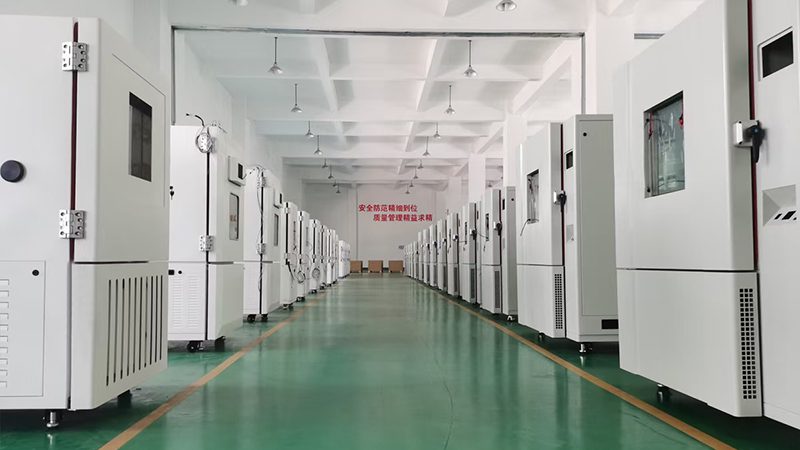
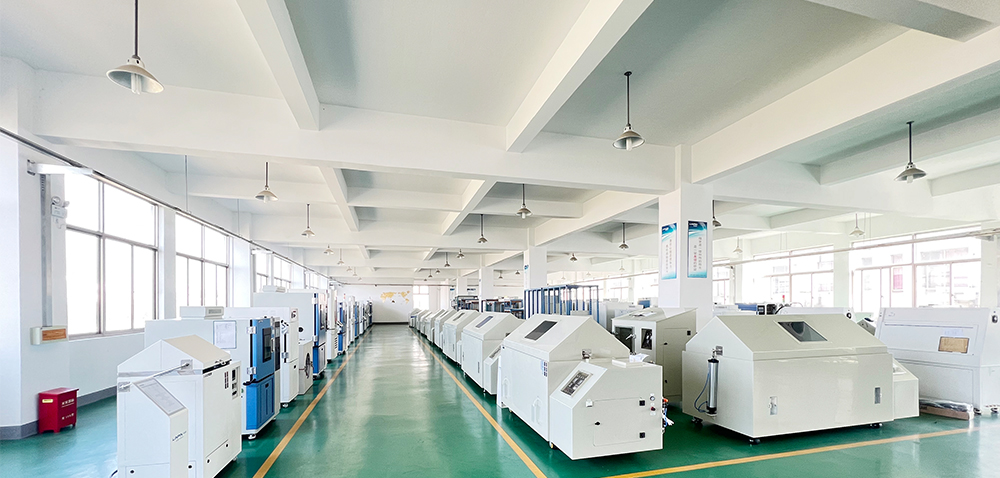
Linpin Instruments, a manufacturer of testing equipment, offers a wide range of test devices and technical services. The low-temperature test chamber is one of our flagship products. Customers interested in purchasing are welcome to visit our facility for on-site inspections and project discussions.
25.05







Copyright © 2025 Shanghai Linpin Instrument Co., Ltd Copyright
| ICP Number:Shanghai ICP Record No. 12029585-7
| Sitemap






 EN
EN
 中文
中文 Pусский
 Tiếng Việt
 ภาษาไทย
 پاکستانی زبان