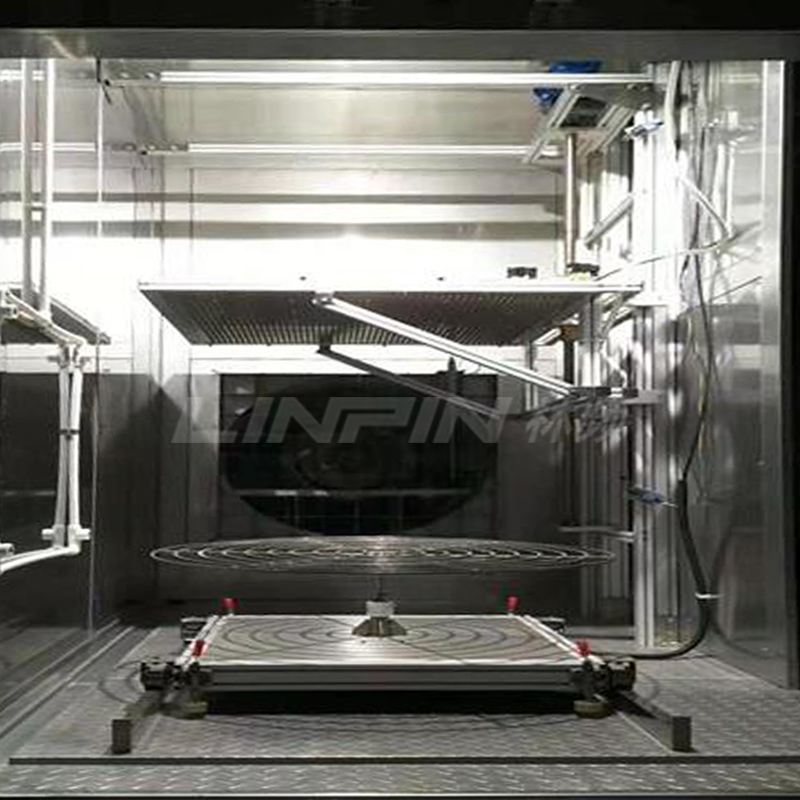
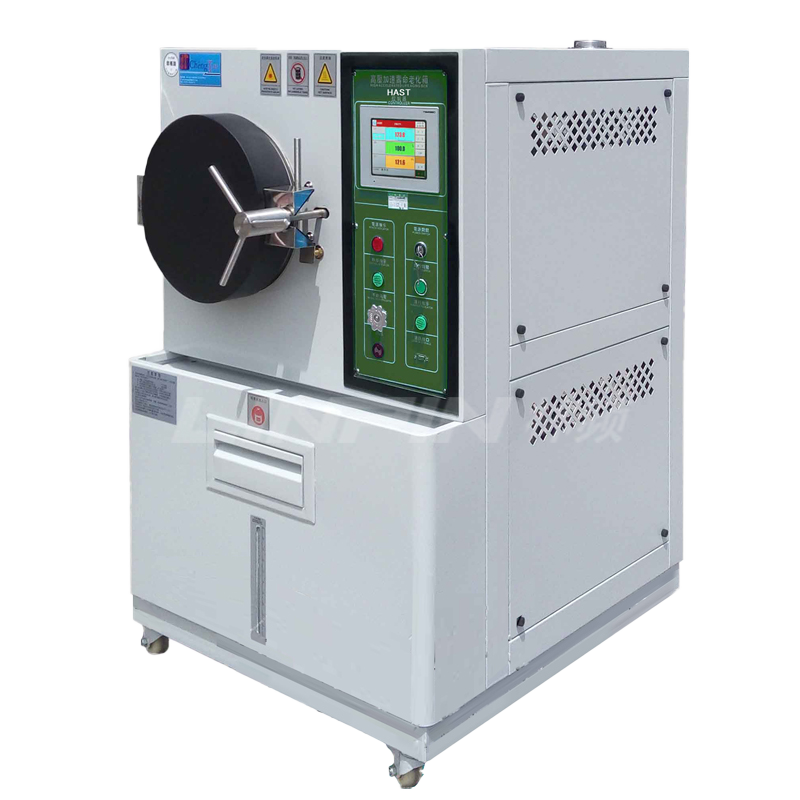
Analysis of Fault Alarm Principles in Constant Temperature and Humidity Chambers
Over-temperature Alarm in the Chamber: The sample area sensor and the channel are equipped with over-temperature protection devices. An over-temperature protection device is also installed on the control panel. If the temperature in the test area exceeds the allowable temperature set on the panel, the equipment will shut down and trigger an alarm. The TH setting must be at least 10°C higher than the operating temperature for the equipment to function.
Sample Over-temperature Protection: If the temperature in the sample area exceeds the protection temperature set by the controller, the equipment will shut down and alarm. Normal operation can only resume after the fault is resolved and the system is reset. Sample over-temperature protection includes both upper and lower limits, which can be arbitrarily set by the user as needed.

Fan Overheating Alarm: If the fan coil overheats, the equipment will shut down and alarm. Operation can only resume after the fault is resolved.
Fan Overcurrent Alarm: If the fan current exceeds the allowable value, the equipment will shut down and alarm. Normal operation can only resume after the overcurrent fault is repaired.
Cooling Water Shortage Alarm: If the water pressure in the cooling circulation system is insufficient, the equipment will shut down and alarm. Normal operation can only resume after the fault is resolved and the system is reset.
Refrigeration Compressor Overheating Alarm: If the compressor coil overheats or the circuit power supply is abnormal, the equipment will shut down and alarm. Normal operation can only resume after the fault is resolved.
Refrigeration Compressor Overpressure Alarm: If the refrigerant pressure in the refrigeration system exceeds the set value, the equipment will shut down and alarm. Normal operation can only resume after the fault is resolved and manually reset.
Power Phase Loss or Phase Sequence Alarm: If the external power supply experiences phase loss or phase sequence reversal, the equipment will shut down and alarm. Normal operation can only resume after the fault is resolved.


25.05







Copyright © 2025 Shanghai Linpin Instrument Co., Ltd Copyright
| ICP Number:Shanghai ICP Record No. 12029585-7
| Sitemap






 EN
EN
 中文
中文 Pусский
 Tiếng Việt
 ภาษาไทย
 پاکستانی زبان