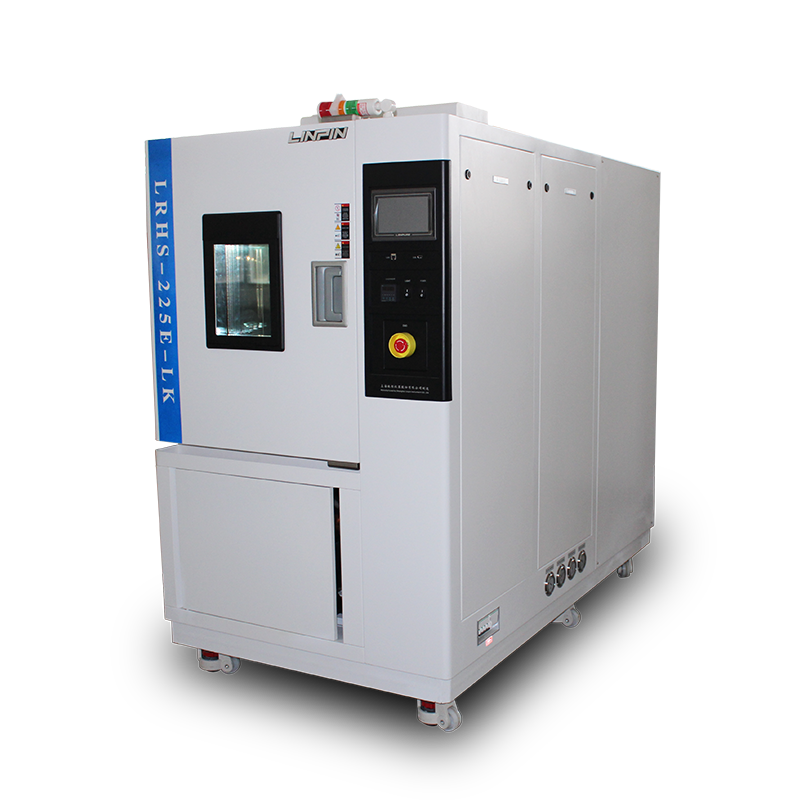
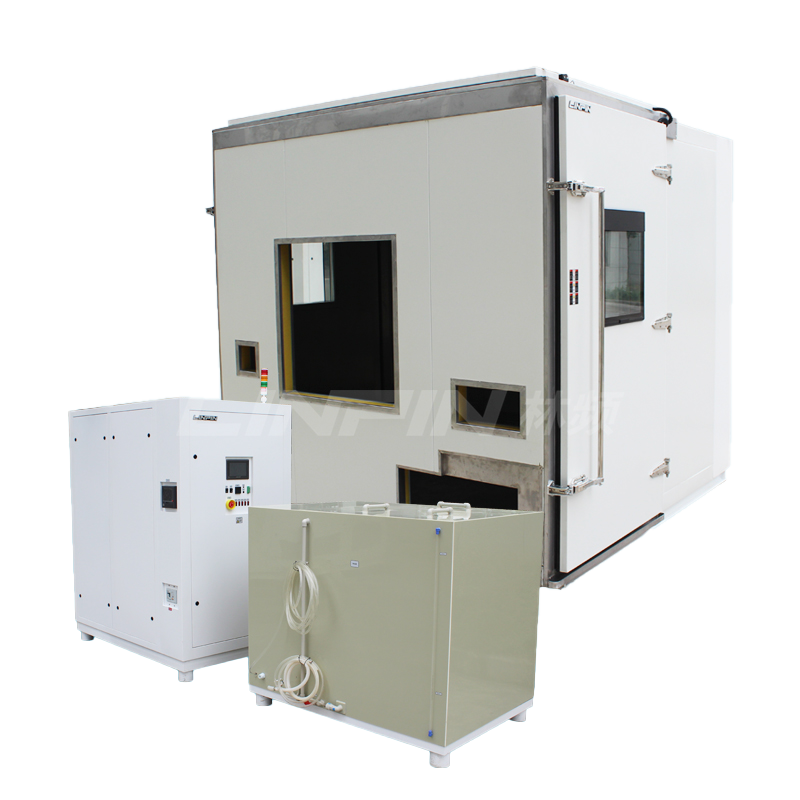
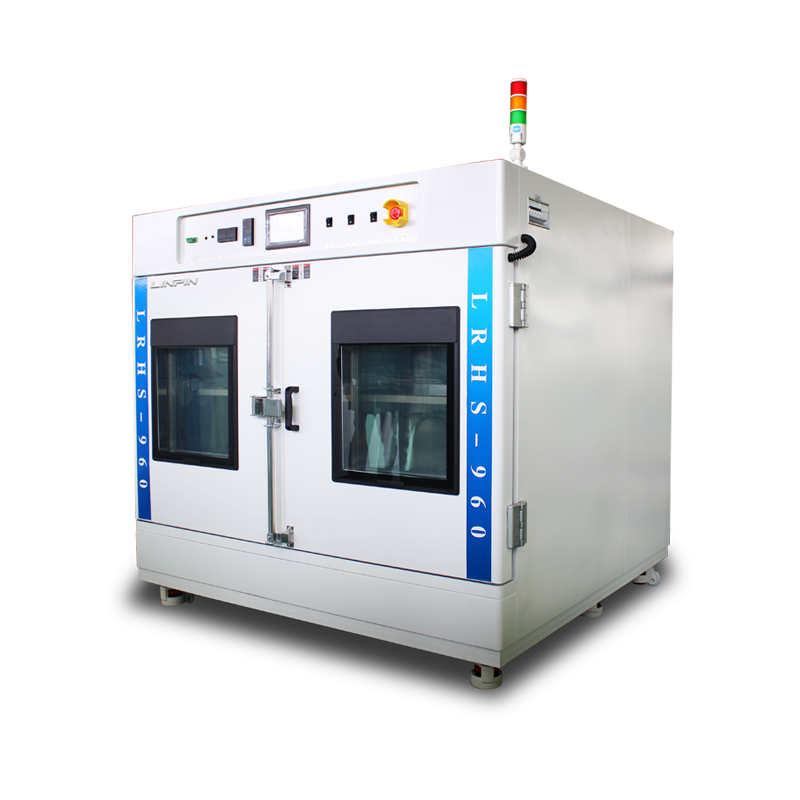
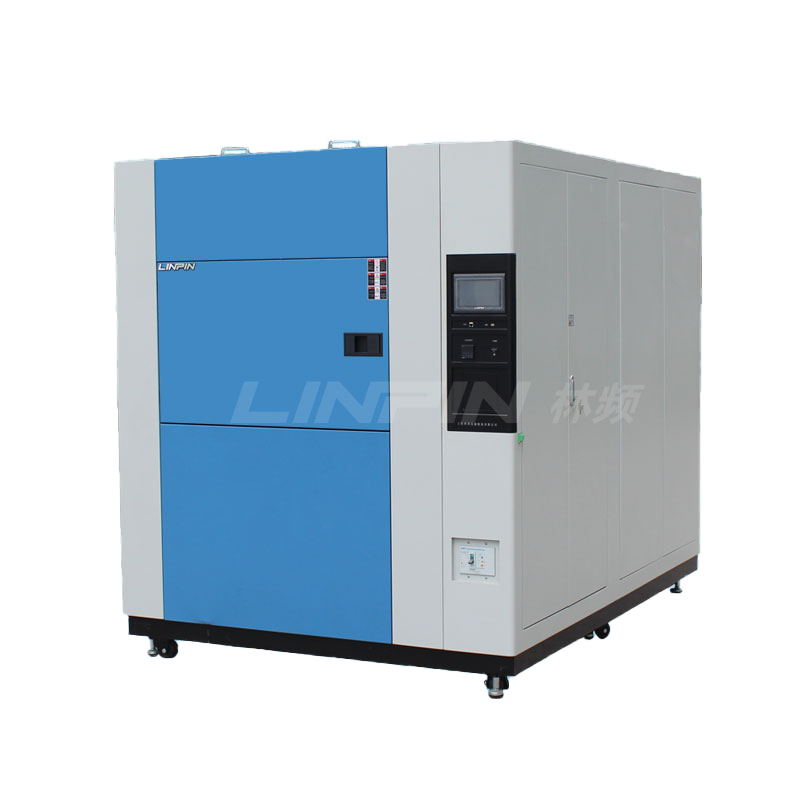
Low-temperature test chambers are primarily used to evaluate the storage capabilities and environmental adaptability of products and materials from industries such as electronics, electrical engineering, automotive, and home appliances under extremely low-temperature climatic conditions. To assess the performance and parameters of these products at low temperatures, a temperature range of 0°C to -80°C is sufficient to meet the testing objectives.
Installation and Maintenance Requirements
When installing a low-temperature test chamber, it is strictly prohibited to place it near flammable, explosive, toxic, or highly corrosive substances. Otherwise, this may affect the test results and cause damage or accelerated aging of the equipment. After the test chamber is installed, it is advisable not to start the equipment immediately. Instead, let it stand idle for 1 to 2 days before turning it on. This allows the refrigeration system to operate more effectively and stably during subsequent tests and can extend the service life of the equipment. If the test equipment is not used for an extended period, it is essential to regularly perform dehumidification to prevent rusting, aging, or damage to internal components due to long-term disuse.
Performance Advantages
As an excellent, aesthetically pleasing, and highly reliable environmental testing device, the low-temperature test chamber is the preferred choice for many users, mainly due to the following performance advantages:
Wide Temperature Control Range: The test chamber offers a broad temperature control range, from -80°C (ultra-low temperature) to ambient temperature +10°C, catering to the diverse needs of different users.
Unique Balanced Temperature Regulation: The device employs a special balanced temperature regulation method, allowing users to adjust the temperature environment according to different product testing requirements. This method ensures precise and stable temperature control with a stable heating function.
Convenient Temperature Setting: The temperature settings are controlled via a keyboard, making it easy and clear to operate. The instrument also features a deviation correction function, which helps achieve more accurate test conditions.
Automatic Selection of Refrigeration Circuit: The device is equipped with a function that automatically selects the refrigeration circuit based on the set temperature values, making it easy for users to operate.
Refrigeration System
The refrigeration system of the low-temperature test chamber is assembled using high-quality compressor units to form a cascade refrigeration machine. This system is highly reliable and easy to maintain. Most importantly, it meets the requirements for cooling rates and the lowest climatic temperatures. Additionally, the design of the refrigeration system ensures energy savings while maintaining normal operation, reducing energy consumption and achieving cost savings.









Copyright © 2025 Shanghai Linpin Instrument Co., Ltd Copyright
| ICP Number:Shanghai ICP Record No. 12029585-7
| Sitemap






 EN
EN
 中文
中文 Pусский
 Tiếng Việt
 ภาษาไทย
 پاکستانی زبان