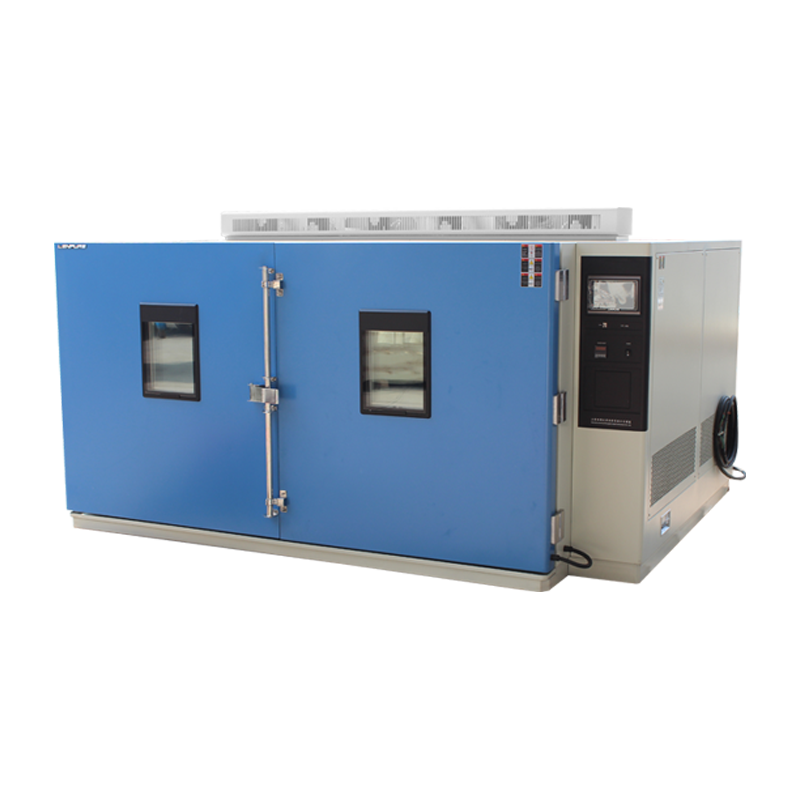
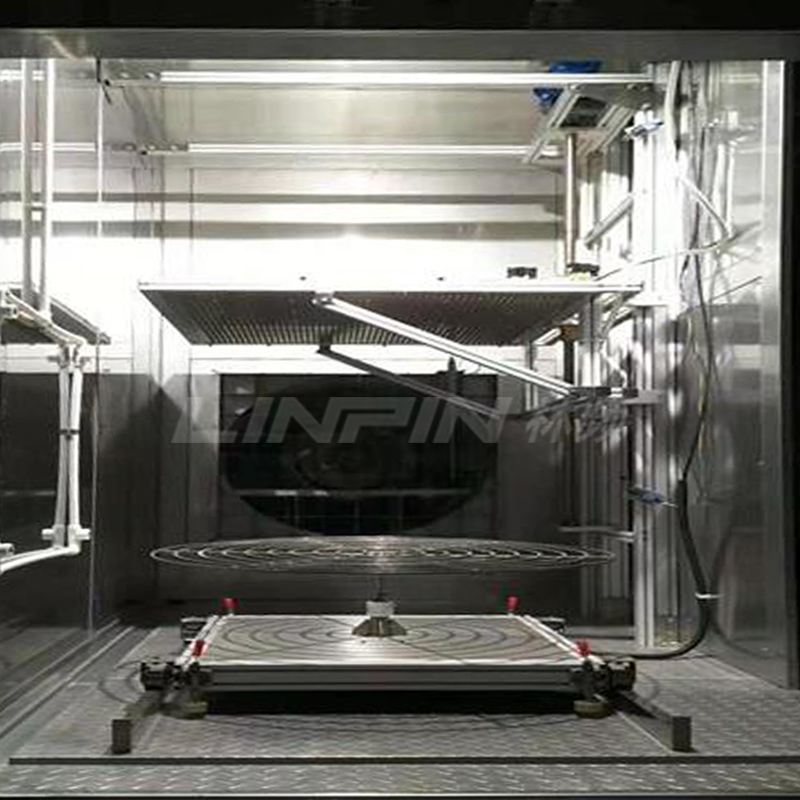
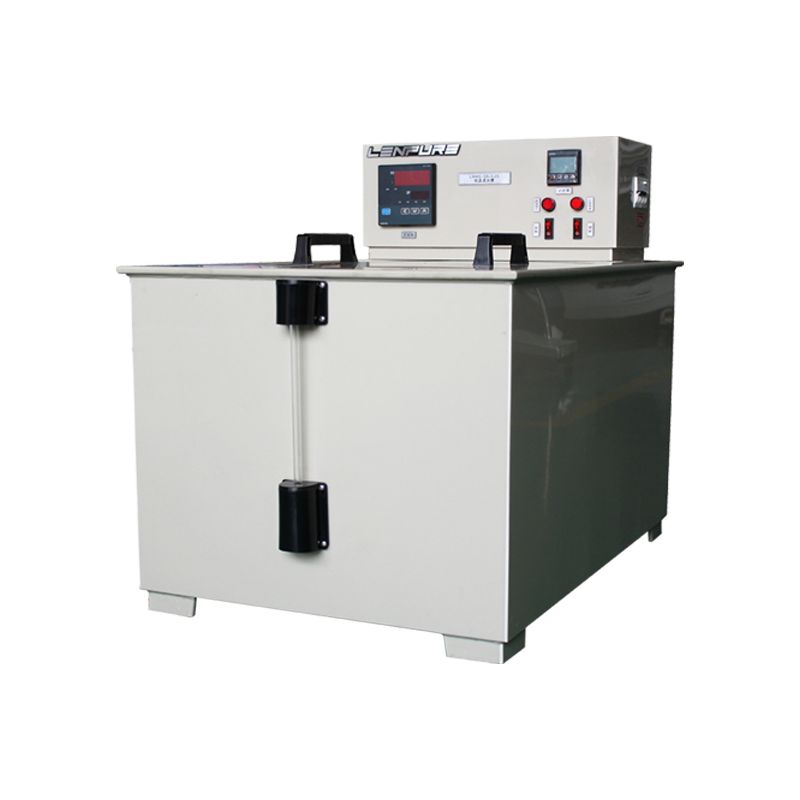
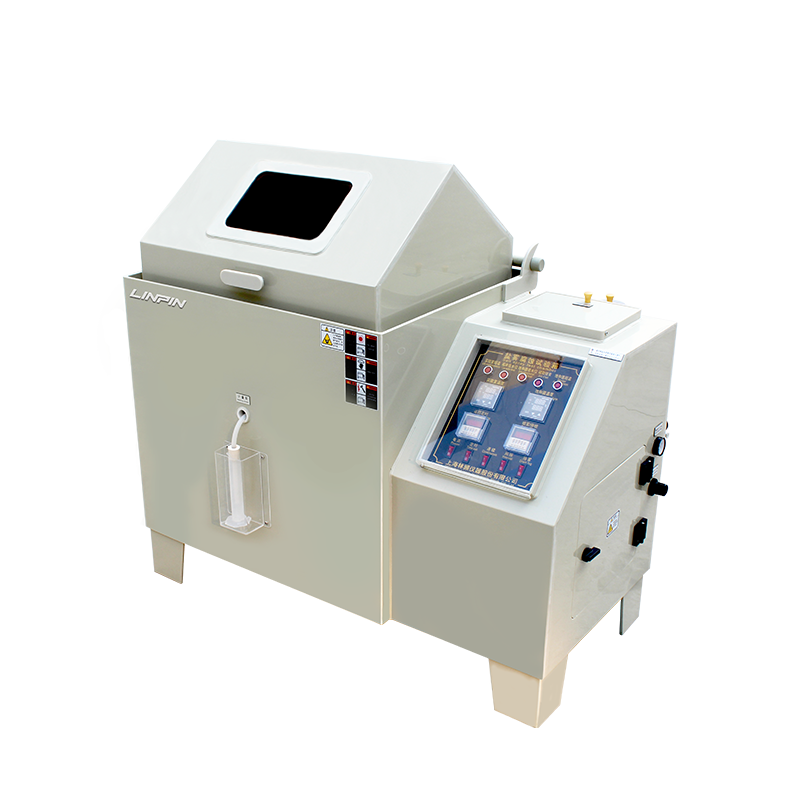
High and low temperature test chambers are designed to simulate natural climatic conditions to test the high- and low-temperature endurance of products or materials under alternating temperature changes. These chambers create more extreme temperature environments than those found in nature, thereby enhancing the reliability of the tested products. In simple terms, these are devices used to test the adaptability of products.
For high and low temperature test chambers, the following safety precautions should be observed to prevent accidents:
Grounding the Equipment: The outer casing of the test chamber must be grounded. Failure to ground the equipment during installation can lead to electric shock hazards if the chamber leaks electricity.
Ensure Proper Installation Before Use: Do not start the equipment until it is fully installed and all components are securely in place. Only begin testing after confirming that everything is correctly installed and reliable.
Avoid Touching Moving Parts: When the equipment is in operation and the controller drives motors, fans, and other components, avoid touching any moving parts. Although they may appear stationary, sudden movement could cause injury. If it is necessary to access the moving parts, turn off the main power switch and ensure that protective devices are in good condition.
Use External Power for Heated Samples: If the test chamber contains heated samples, do not use the machine’s own power supply for sample control. Instead, use an external power source.
When users purchase and use high and low temperature test chambers, it is essential to follow basic safety procedures, even when no tests are being conducted. Neglecting these safety measures can not only lead to test failures and equipment damage but also pose serious safety threats to the users.

25.06







Copyright © 2025 Shanghai Linpin Instrument Co., Ltd Copyright
| ICP Number:Shanghai ICP Record No. 12029585-7
| Sitemap






 EN
EN
 中文
中文 Pусский
 Tiếng Việt
 ภาษาไทย
 پاکستانی زبان