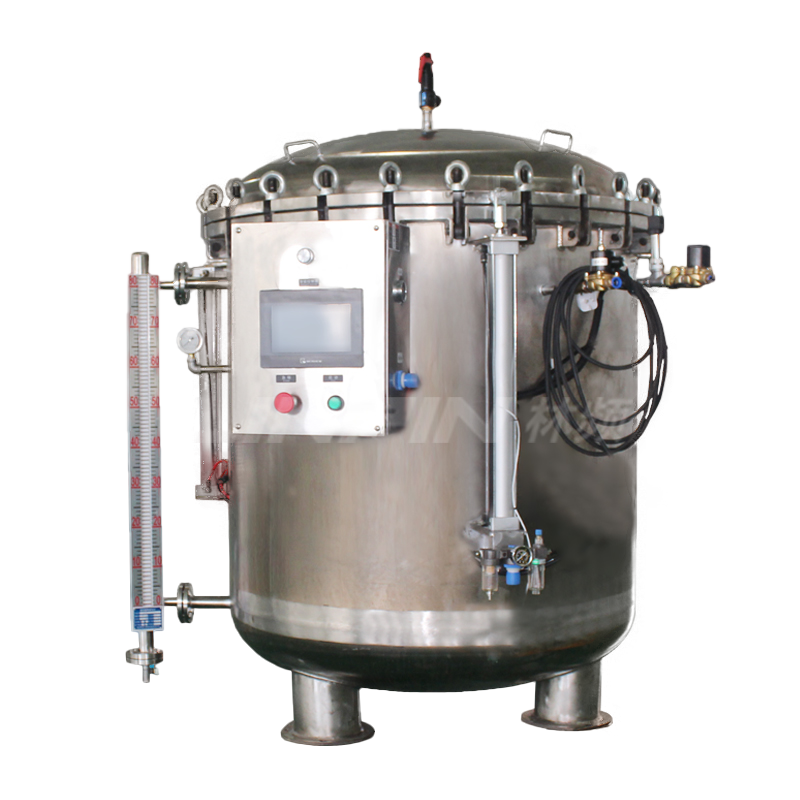
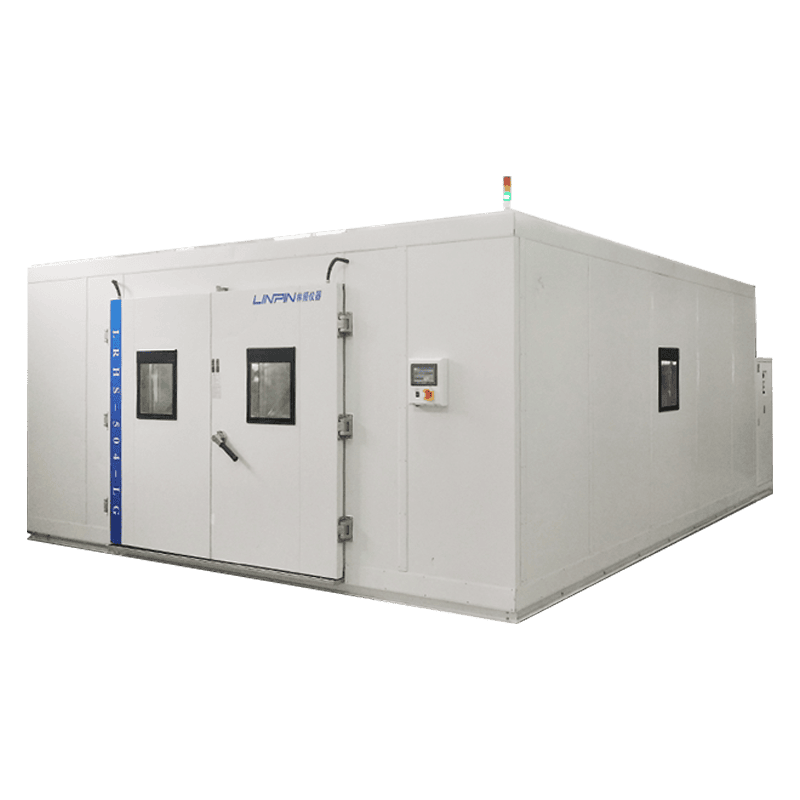
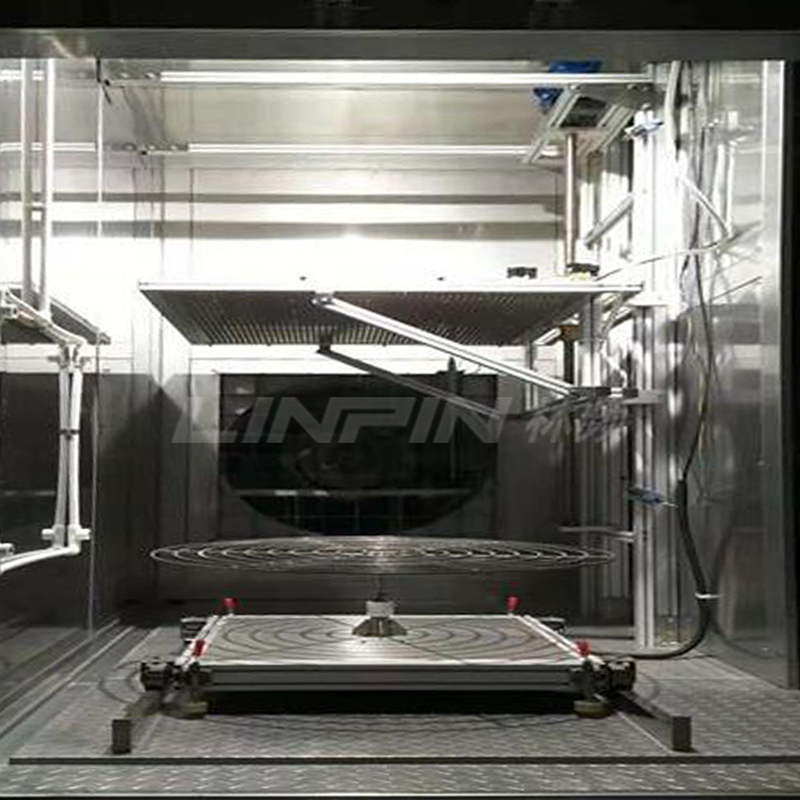
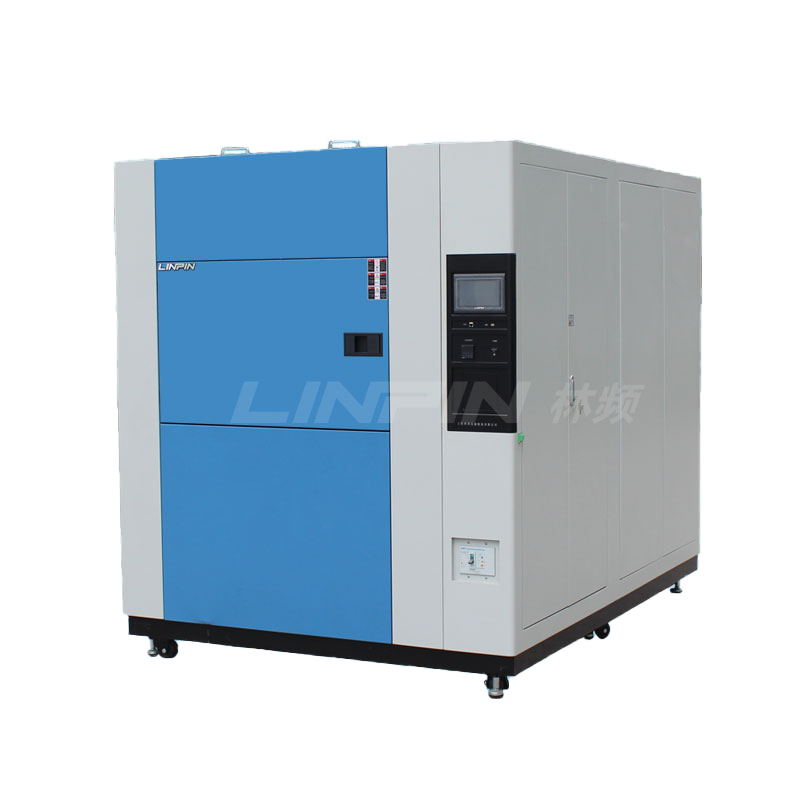
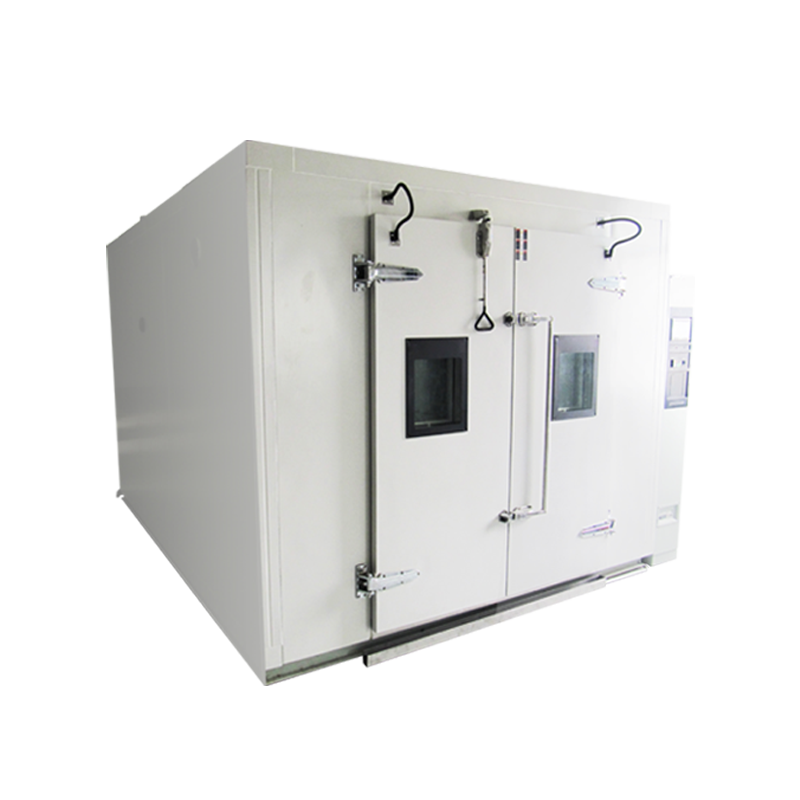
The rainfall program is a critical aspect of the rain test chamber because this equipment primarily simulates a rainfall environment to test the sealing performance of the test specimen. What is the workflow of this program? Let’s take a look at the specific steps of the rainfall program in a rain test chamber.
Specific steps of the rainfall program in a rain test chamber:
Temperature Adjustment: During the exposure test, the temperature of the sample should be 8–12°C higher than the water temperature. If the temperature difference between the two is not within this range, it can be adjusted by either heating the specimen or lowering the water temperature. Before starting the test, the sample should be restored to its normal working condition.

Specimen Placement: Place the specimen on the sample rack inside the chamber and adjust the relevant parameters of the equipment, such as rainfall intensity.
Wind Speed Setting: Set the wind speed according to the corresponding standards. After the ventilation starts, it should be maintained for at least 30 minutes.
Rainfall Process: During the test, if inspection is required, it should be conducted in the last 10 minutes of the 30-minute rainfall phase. To ensure that the entire surface of the specimen is exposed to rainwater, the specimen should be rotated, which increases the contact area between the specimen surface and the rainwater. This process is repeated to ensure that all surfaces of the specimen are exposed to rainwater.
Inspection: Staff can inspect the sample quality inside the chamber or remove the sample for inspection. If water infiltration into the sample is detected, the water should be drained, and the amount of water measured. During the test, any free water in the protected area of the specimen should also be measured and recorded.
Observation and Recording: During the rainfall phase, staff should observe in real-time and determine whether the test meets the requirements of the relevant technical documents. The test results should be recorded.
Other Programs of the Rain Test Chamber:
In addition to the rainfall program, the rain test chamber also includes intensified and drip programs. The rainfall program is suitable for testing products that are used outdoors without rain protection measures. The intensified program can be used for testing large products that cannot be tested with rainfall or rain-blowing devices. The drip program is used to test products that are normally rainproof but may experience dripping due to condensation or leakage.






Copyright © 2025 Shanghai Linpin Instrument Co., Ltd Copyright
| ICP Number:Shanghai ICP Record No. 12029585-7
| Sitemap






 EN
EN
 中文
中文 Pусский
 Tiếng Việt
 ภาษาไทย
 پاکستانی زبان