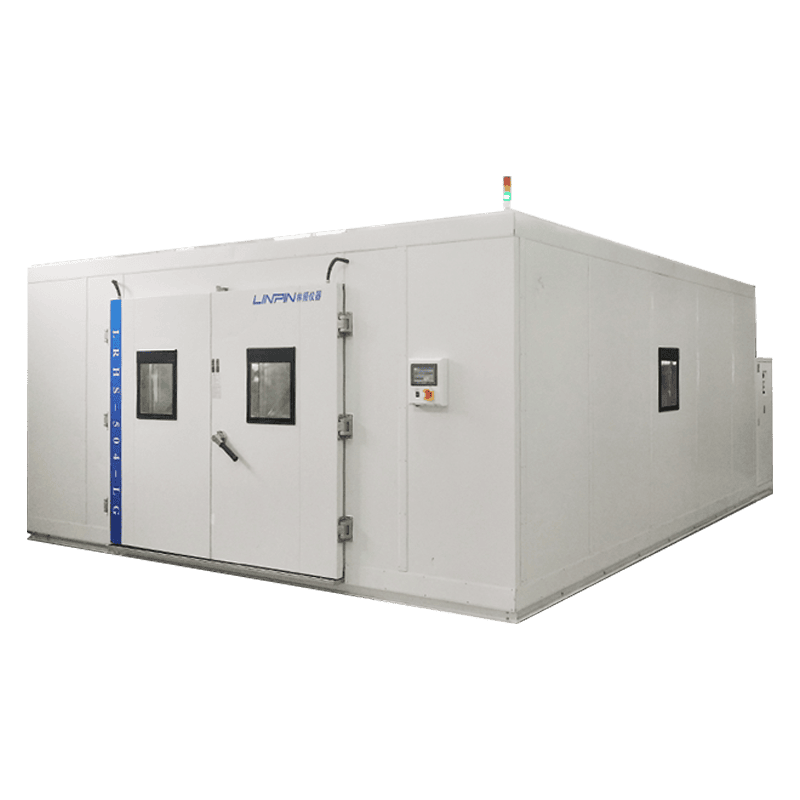
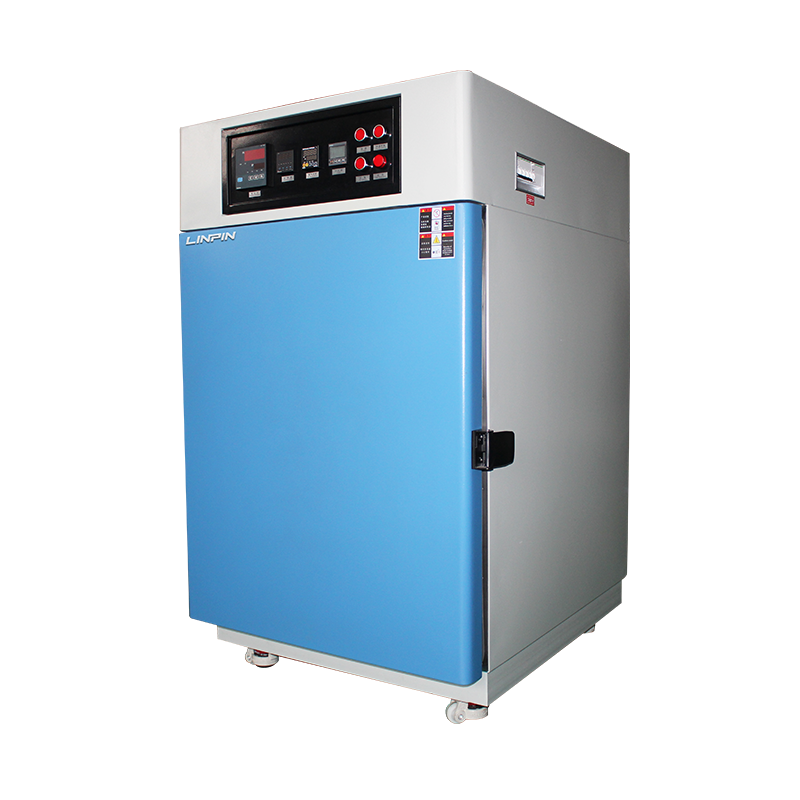
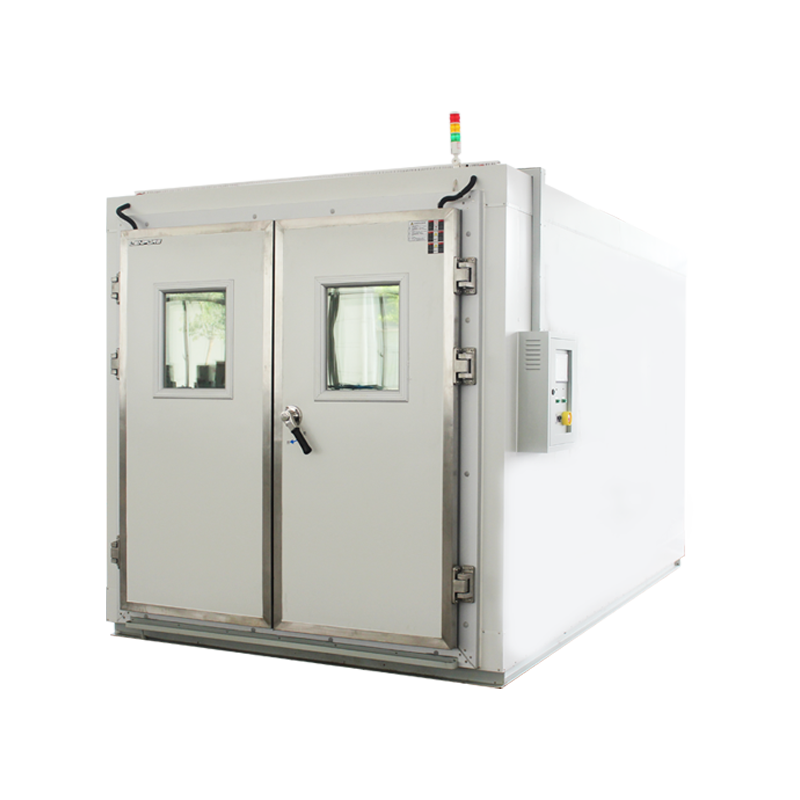
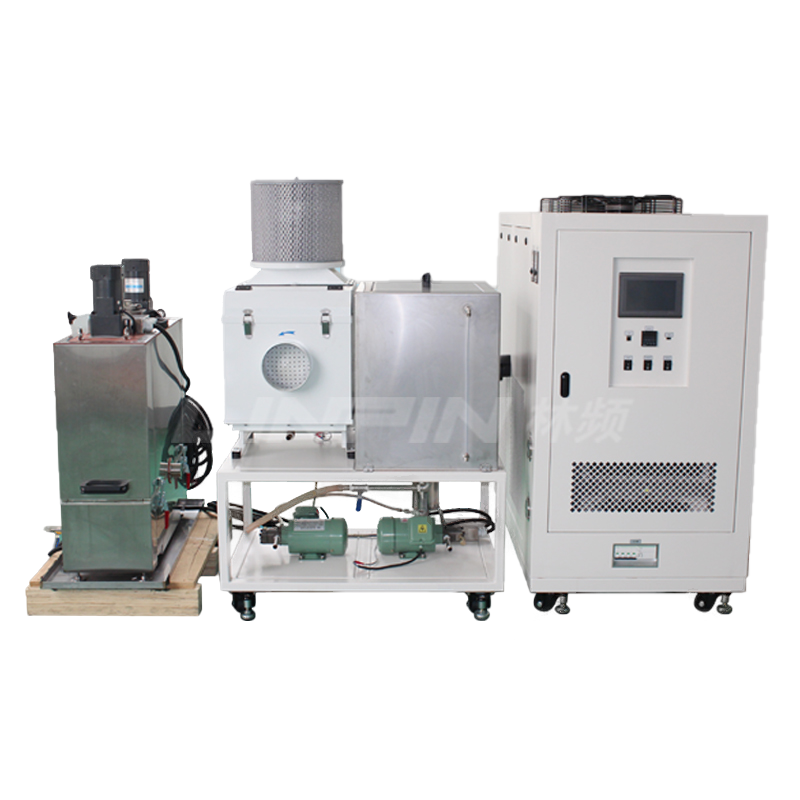
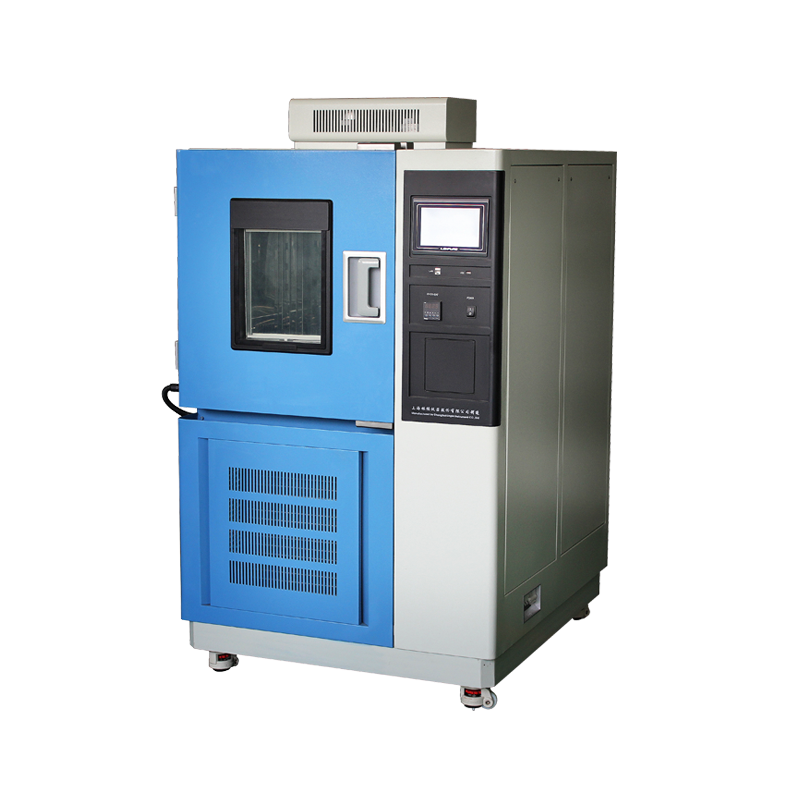
The cold and hot shock test chamber is an effective device for detecting the performance of electronic components under rapidly changing temperature conditions. Many materials are tested using this equipment. To ensure the accuracy of the test results, it is necessary to clean the test specimens before the test chamber is operated.

Cleaning of Test Specimens for Cold and Hot Shock Testing:
Cleaning the test specimens can remove debris and dust from their surfaces. Accumulated dust may affect the test results. When cleaning, it is important to clean the surface of the test specimen and any other substances on it. Corrosive substances should not be used during the cleaning process. The cleaning can be done using a clean soft brush, an ultrasonic cleaning device, and hydrocarbons with a boiling point between 60 and 120°C. After cleaning, the specimens should be rinsed with unused solvent to dry them out.
Before the test, some specimens with protective organic coatings should not be cleaned or coated. If the specimens are cut from a larger coated workpiece, the coating near the cutting area should not be damaged to avoid confusion. After cleaning the specimens, they should be covered with a cover or other protective material to prevent accidental contact and contamination, which could affect the test results.
Placement of Test Specimens in the Cold and Hot Shock Test Chamber:
After cleaning the test specimens, they can be placed inside the cold and hot shock test chamber. When placing the specimens, attention should be paid to their positions and the spacing between them. This is because the test chamber can be either a two-box or a three-box type, and different structures require different placement positions for the specimens. Considering the heat dissipation, the specimens should not be placed too densely, and they should maintain a certain distance from the inner walls of the chamber. This allows for better air circulation inside the chamber and ensures a smoother test process.
That concludes the introduction to the cleaning of test specimens. For more information on this type of equipment, please continue to visit our website for related updates.








Copyright © 2025 Shanghai Linpin Instrument Co., Ltd Copyright
| ICP Number:Shanghai ICP Record No. 12029585-7
| Sitemap






 EN
EN
 中文
中文 Pусский
 Tiếng Việt
 ภาษาไทย
 پاکستانی زبان