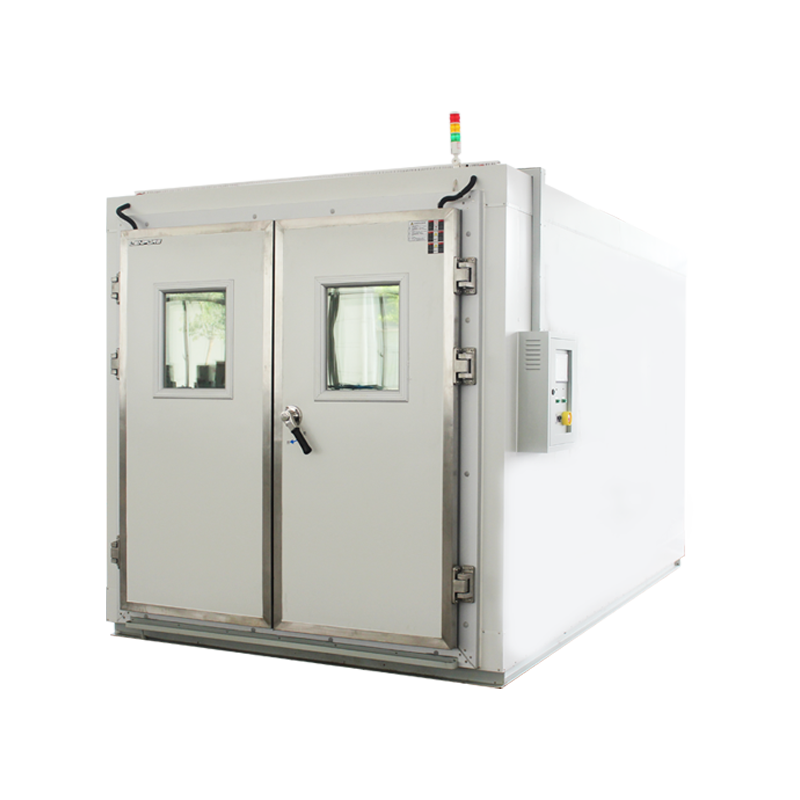
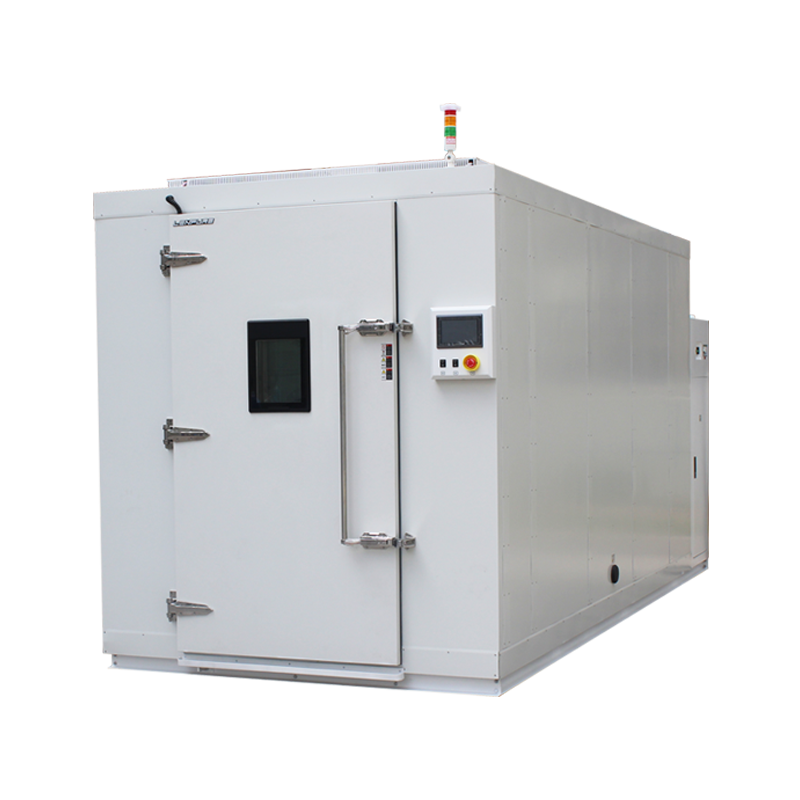
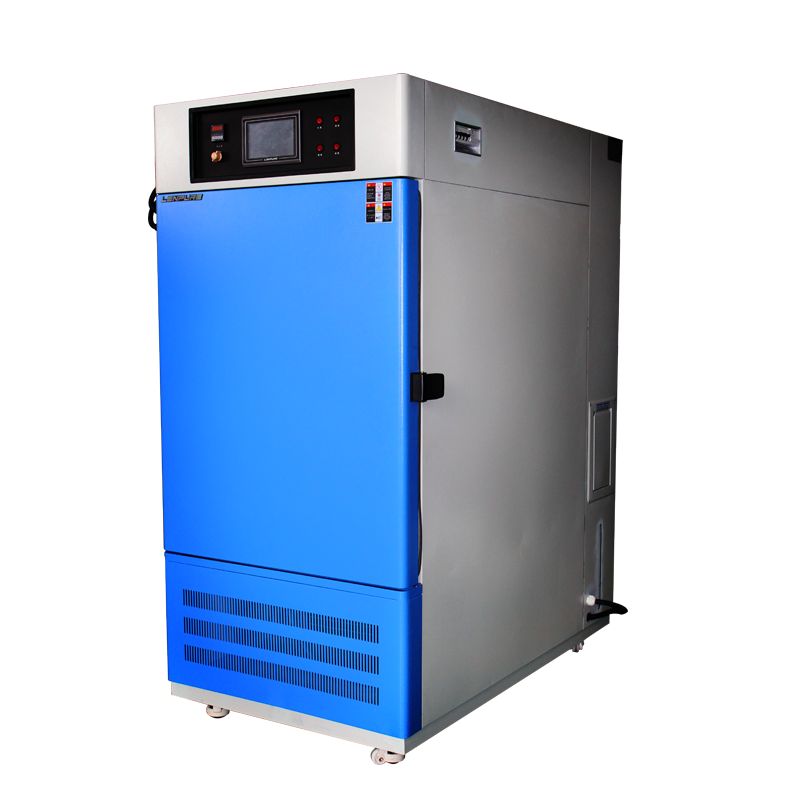
The primary function of a high-low temperature alternating test chamber is to evaluate the adaptability of product materials under various climatic conditions, thereby providing a basis for understanding product characteristics and improving quality. Users can conduct tests under diverse climatic and temperature conditions, including low temperature, high temperature and high humidity, low temperature and low humidity, condensation tests, and temperature cycling. This equipment plays an indispensable role in national defense industry, aerospace, automotive electronics, plastics and chemical industry, and pharmaceutical industry.
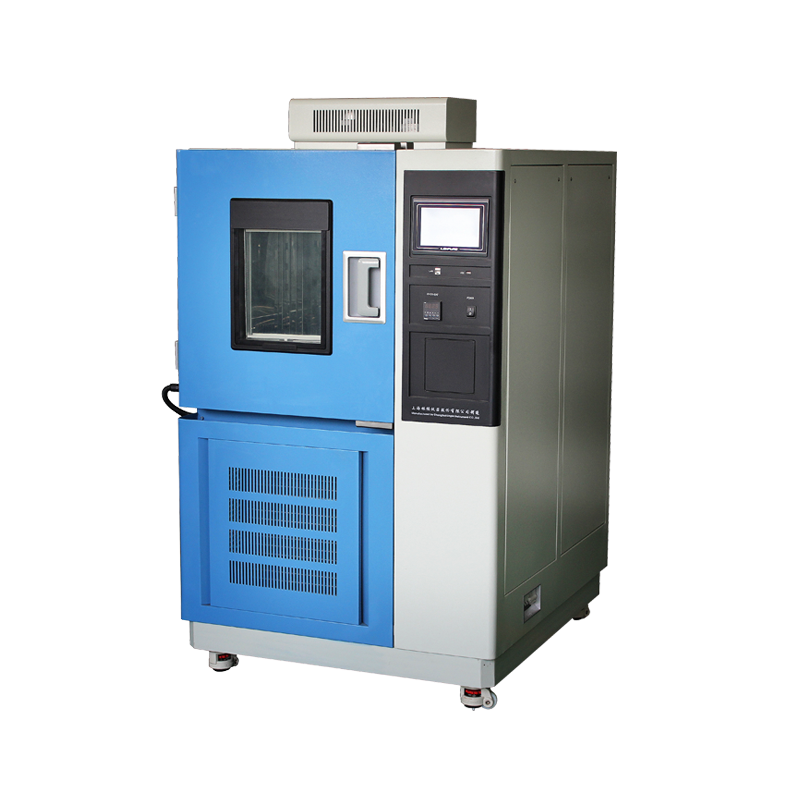
By testing relevant products or materials required across various industries, users can ascertain the heat resistance, cold resistance, moisture resistance, and dryness resistance of products. To achieve these testing capabilities, stringent requirements are imposed on every aspect of the test chamber—from the manufacturing materials and structural design of the enclosure to the various accessory systems and internal components. This means that such meticulously manufactured equipment comes at a considerable price.
Generally, the price of a standard high-low temperature alternating test equipment ranges approximately from 100,000 to 200,000 RMB. If higher technical specifications or larger chamber sizes are required, the price will be even more substantial. Given this investment, after careful comparison and selection of appropriate equipment, users must utilize and maintain the device properly to maximize its value and ensure cost-effectiveness.
So, what should users do to properly maintain and service the test equipment?
First, users must maintain the cleanliness of the test chamber and keep the entire workspace in a clean condition. Particularly when the equipment is not in use, a comprehensive cleaning should be performed in advance. The workspace should be kept dry, with all water in the water tank and trough drained and wiped dry with a cloth to prevent moisture residue. Finally, attention should be paid to dust and moisture protection for equipment stored over extended periods.
Additionally, regular dust removal from the electrical control system is essential. Users should inspect whether various accessory systems exhibit looseness, friction, binding, or unstable wiring issues. After prolonged storage, if the equipment is to be restarted, a comprehensive safety inspection must be conducted to prevent malfunctions.
Second, the humidification and water supply system requires thorough cleaning. Prolonged use of the equipment for testing will likely result in the capillary orifices of the water level indicator becoming clogged by water impurities. Therefore, maintaining cleanliness of the water supply system is crucial; if blockage occurs, prompt disassembly and unclogging are necessary.
Finally, attention must be paid to the transition and operational status of the refrigeration system. After completing high-temperature testing (≥60°C), users should not immediately proceed to low-temperature testing. Instead, the chamber door should be opened to allow the internal temperature to decrease to near ambient temperature before commencing low-temperature tests. This practice ensures stable and smooth testing operations while extending the service life of the high-low temperature alternating test chamber.
25.05





Copyright © 2025 Shanghai Linpin Instrument Co., Ltd Copyright
| ICP Number:Shanghai ICP Record No. 12029585-7
| Sitemap






 EN
EN
 中文
中文 Pусский
 Tiếng Việt
 ภาษาไทย
 پاکستانی زبان


组件紫外试验箱.png)