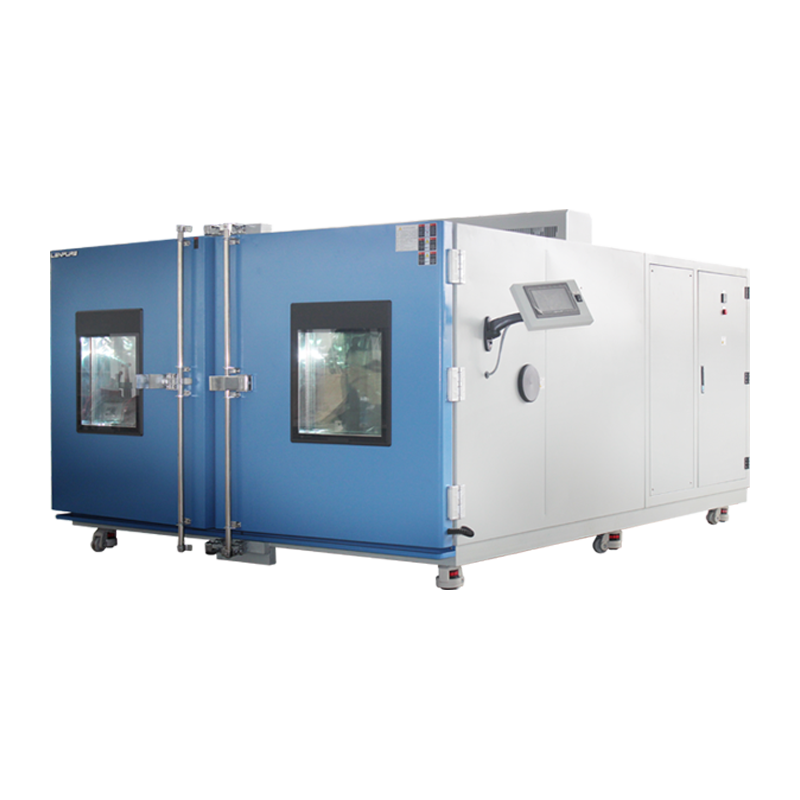
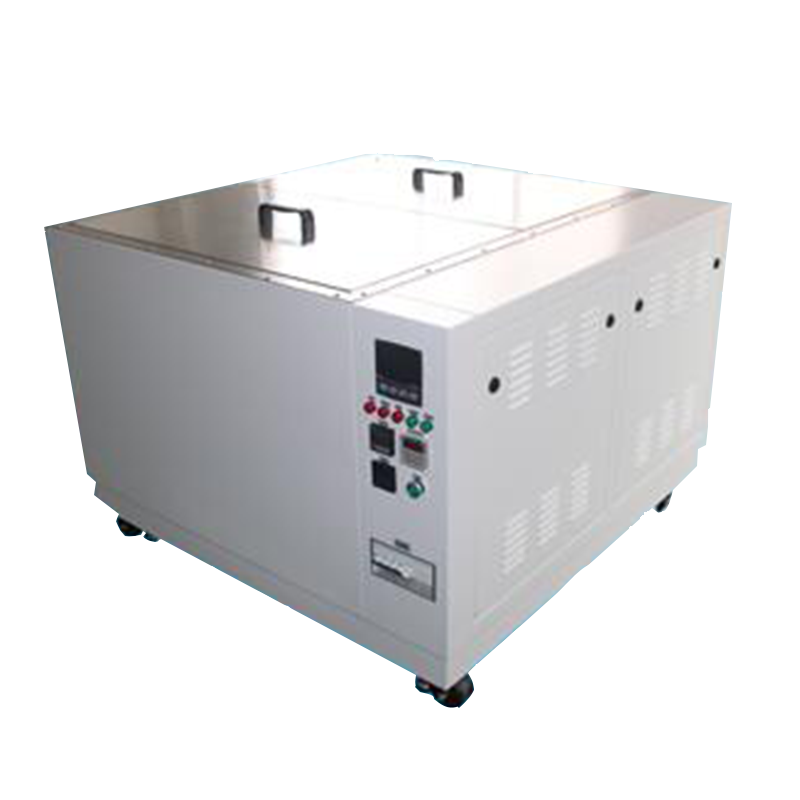
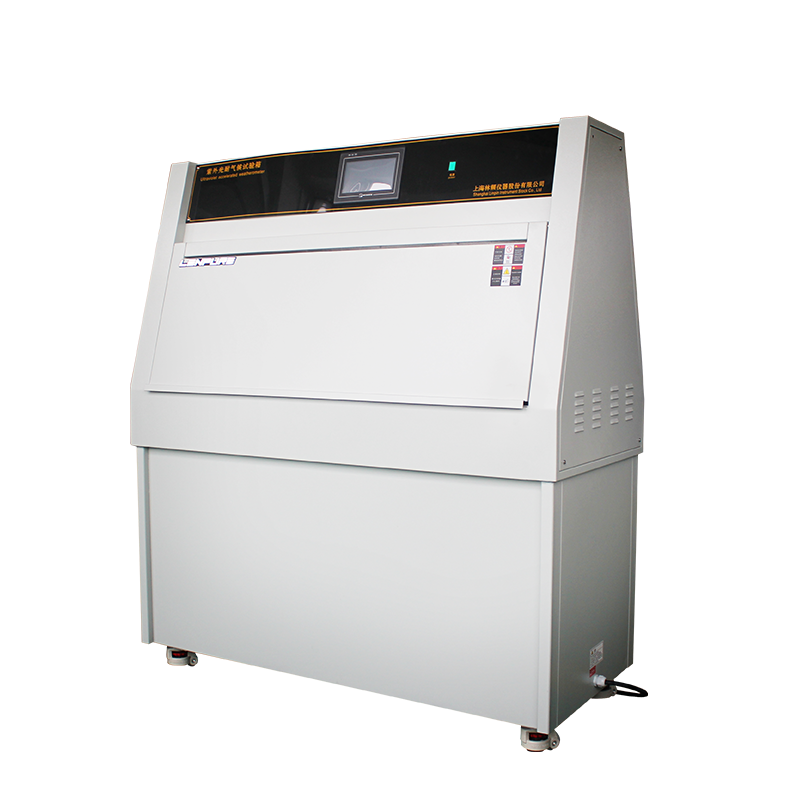
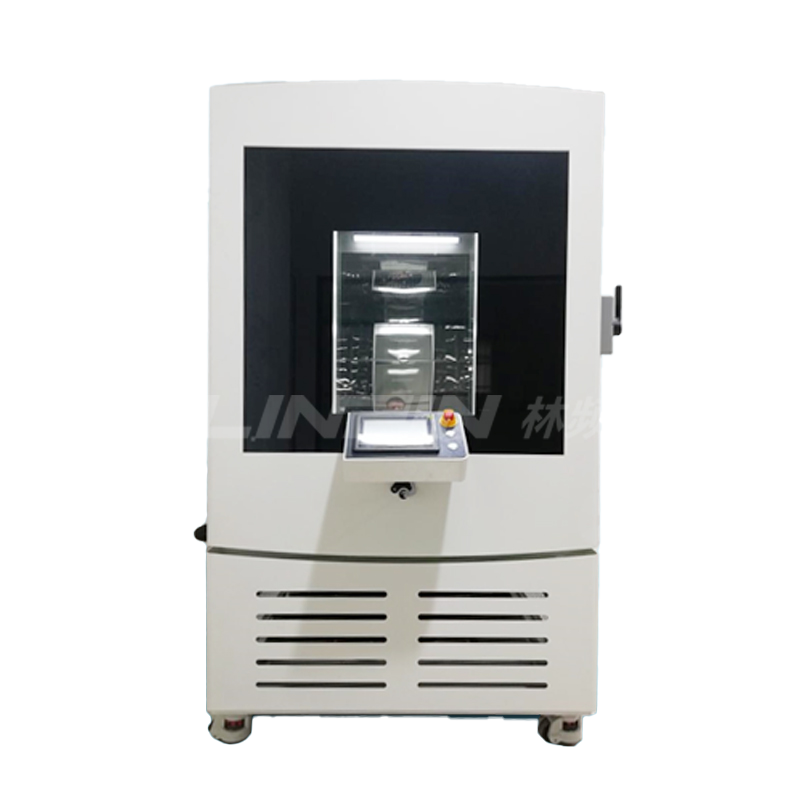
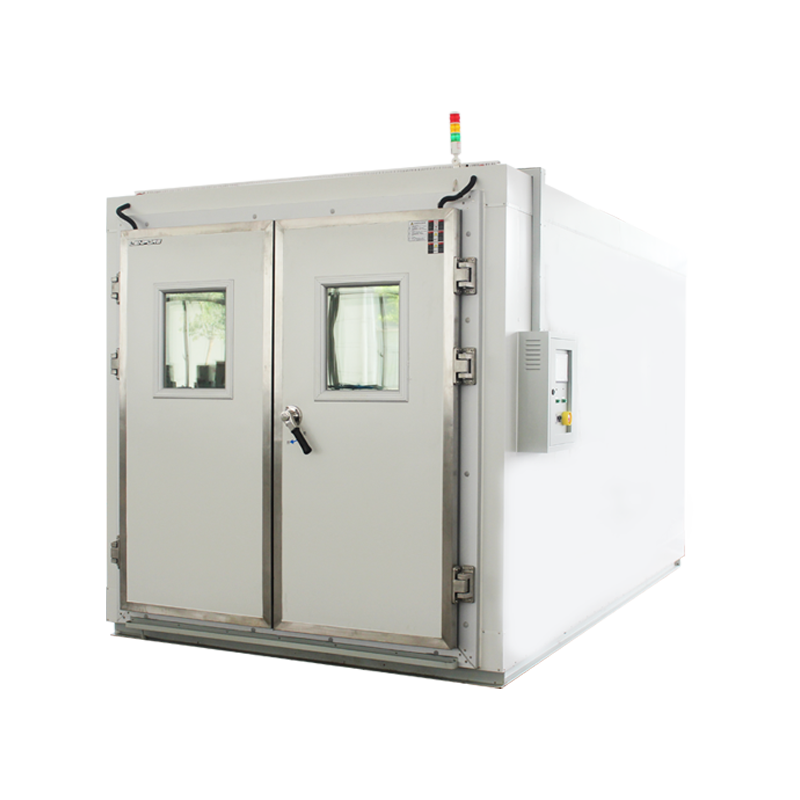
Ozone aging test chambers are indispensable instruments in the field of material anti-aging testing. Common types include ozone aging test equipment and ultraviolet aging test equipment. The main purpose of these devices is to conduct anti-aging performance tests on metal parts, rubber products, etc. Now, let’s delve into the unique role of ozone in ozone aging test chambers.
Ozone is an important component of air. The ozone layer in the atmosphere acts like an “umbrella” for the Earth, blocking harmful radiation and safeguarding the safety of living organisms. However, ozone and rubber products seem to be at odds with each other. Take tires as an example; as typical representatives of rubber products, they are crucial components for all kinds of vehicles. In daily use, long-term friction between tires and the ground causes wear, shortening their service life. Meanwhile, even though the ozone content in the air is not high, when tires are continuously exposed to this environment and come into contact with ozone, cracking occurs.
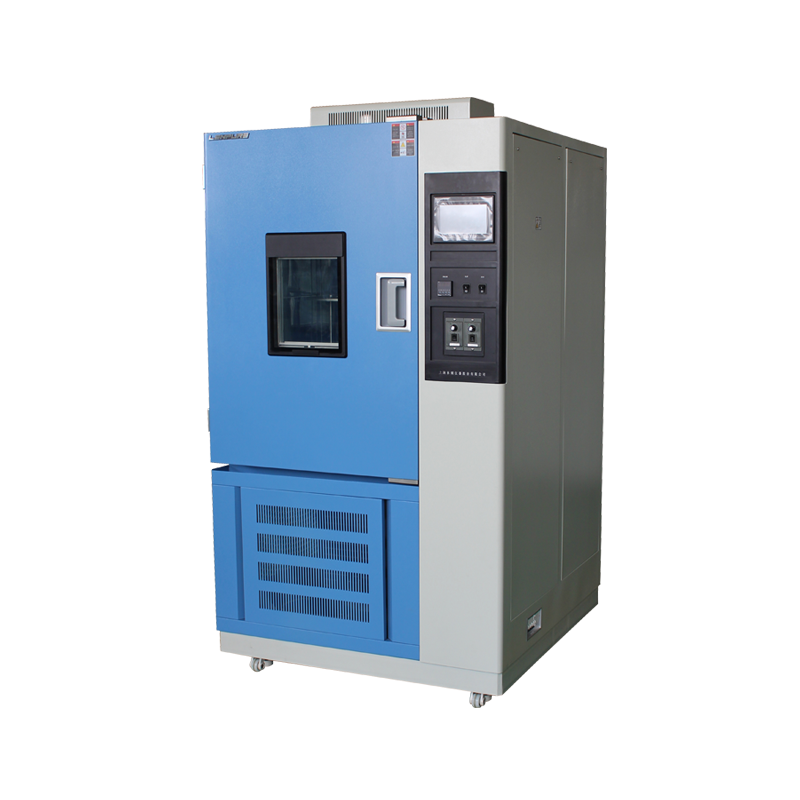
The role of ozone aging test chambers is to simulate the ozone environment in the air. By artificially creating a specific concentration of ozone atmosphere within the test chamber, researchers can thoroughly observe and study the action mechanism of ozone on rubber products as well as the various effects it produces. This process is of utmost importance for enhancing the ozone-aging resistance performance of rubber products. Based on the test results, researchers can develop more effective anti-ozone agents and explore more scientific anti-ozonation methods, thereby reducing the damage caused by ozone to rubber products, extending their service life, and achieving cost savings.
Ozone aging test chambers are mainly applied in the field of polymer materials, especially rubber and rubber products. They can accurately detect the aging rate of these materials under ozone conditions, providing a scientific basis for subsequent measures to reduce the aging rate.
In addition to its application in material anti-aging testing, ozone also has certain value in the medical field. Low-concentration ozone can be used as a disinfectant. However, it should be noted that excessive ozone can pose a hazard to human health. Therefore, operators must strictly take protective measures when operating ozone aging test chambers. Before each operation, they should carefully check the tightness of the test chamber to ensure there is no ozone leakage. Moreover, regular inspection, maintenance, and upkeep of the equipment are essential. This not only guarantees the safety and stability of the testing process but also helps obtain accurate experimental data with minimal errors, providing reliable support for relevant research.









Copyright © 2025 Shanghai Linpin Instrument Co., Ltd Copyright
| ICP Number:Shanghai ICP Record No. 12029585-7
| Sitemap






 EN
EN
 中文
中文 Pусский
 Tiếng Việt
 ภาษาไทย
 پاکستانی زبان