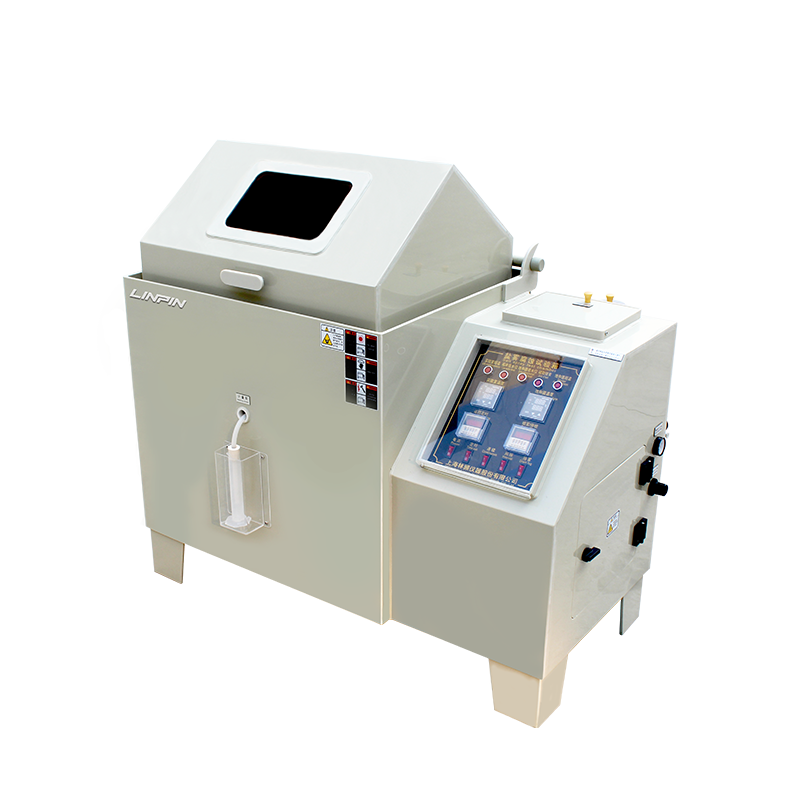
Providing a stable and continuous voltage to the constant temperature and humidity test chamber is essential for ensuring its proper operation. To achieve a stable current supply, the device’s power must be correctly connected to the circuit. So, how is this done?
Before connecting the power supply of the test chamber to the circuit, first confirm whether the external power cable’s diameter meets the requirements and whether the main switch’s capacity can support the device’s full operation. Use a multimeter or other instruments to check whether the power voltage is within the normal range, typically allowing a fluctuation of ±10%. The voltage between the phase line and neutral line should be 220V, while the voltage between phase lines should be 380V.

If the voltage is normal, proceed with the following steps:
Turn off the main switch to ensure safety.
Connect the neutral wire (blue N wire) from the distribution box to the test chamber’s neutral terminal. Make sure this is a correct neutral-to-neutral connection—incorrect wiring may cause the device to malfunction or even damage its electrical components.
Connect the three-phase power supply lines (three phase lines) from the test chamber to the three terminals under the main switch in the distribution box. Tighten them securely with screws.
Ground the test chamber by connecting its grounding wire to the grounding terminal in the distribution box.
Important Notes During Connection:
Most modern test chambers are equipped with phase sequence protection. If the phase sequence is incorrect, the device may power on but the control panel will remain inactive. In this case, simply swap any two of the three phase lines under the main switch to correct the phase sequence.
After completing the wiring, turn on the power and check whether the device receives electricity and operates normally. If any issues arise, troubleshoot immediately.
The above explains “How to Connect the Power Supply of a Constant Temperature and Humidity Test Chamber to the Circuit.” We hope this article helps you understand the basic wiring process and operation. For more details about the equipment, please visit our website or consult our online customer service.
25.05


25.03







Copyright © 2025 Shanghai Linpin Instrument Co., Ltd Copyright
| ICP Number:Shanghai ICP Record No. 12029585-7
| Sitemap






 EN
EN
 中文
中文 Pусский
 Tiếng Việt
 ภาษาไทย
 پاکستانی زبان