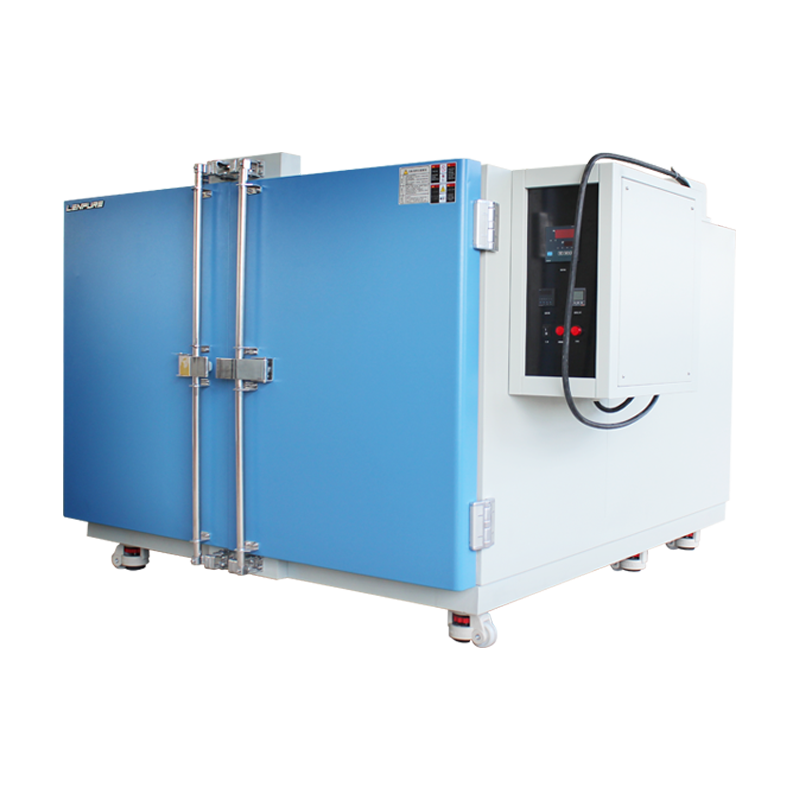
When purchasing a temperature cycling test chamber, customers must weigh multiple factors, including price, quality, accuracy, and efficiency. Among these, the debate between prioritizing price or quality is particularly common. Today, let’s explore this topic in depth.
Initial Cost vs. Long-Term Value
While the upfront cost of a test chamber is a key concern for businesses, the subsequent expenses—such as operational and maintenance costs—can also be significant. Therefore, evaluating price should not only consider the initial investment but also long-term expenditures.
However, long-term costs are closely tied to the equipment’s quality. Poor-quality chambers may lead to inefficiencies, inaccurate test results, and higher maintenance expenses. While such devices might seem affordable initially, they often incur greater operational costs over time.

Conversely, higher-priced chambers with superior quality tend to perform more reliably, ensuring better accuracy and lower maintenance needs. Additionally, reputable manufacturers provide excellent after-sales service, minimizing downtime and controlling long-term costs.
That said, a high price tag alone does not guarantee superior performance. Factors such as technology, durability, and manufacturer support must also be considered.
Price and Quality Are Not Mutually Exclusive
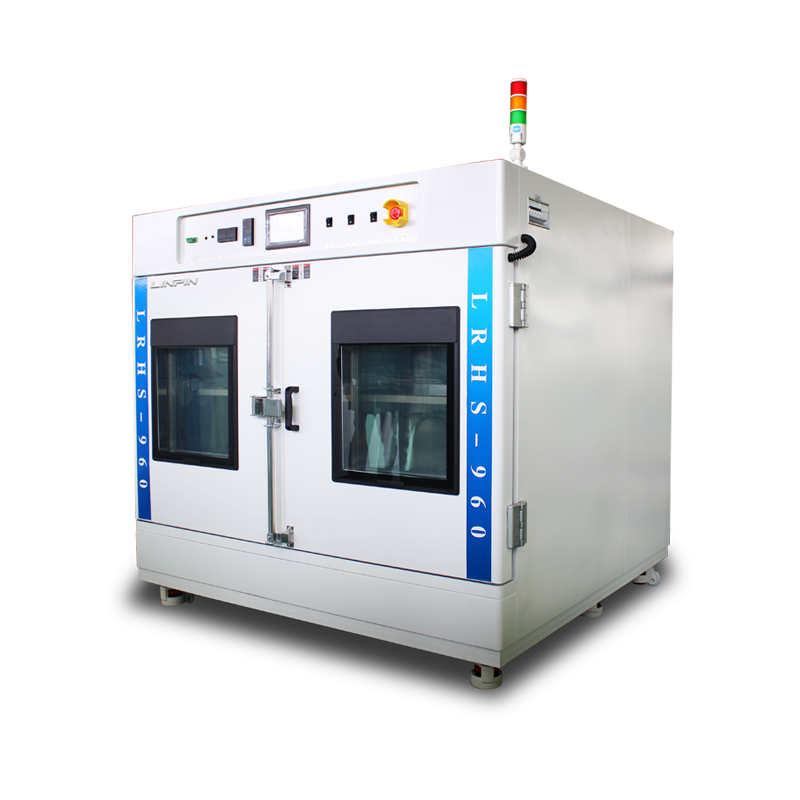
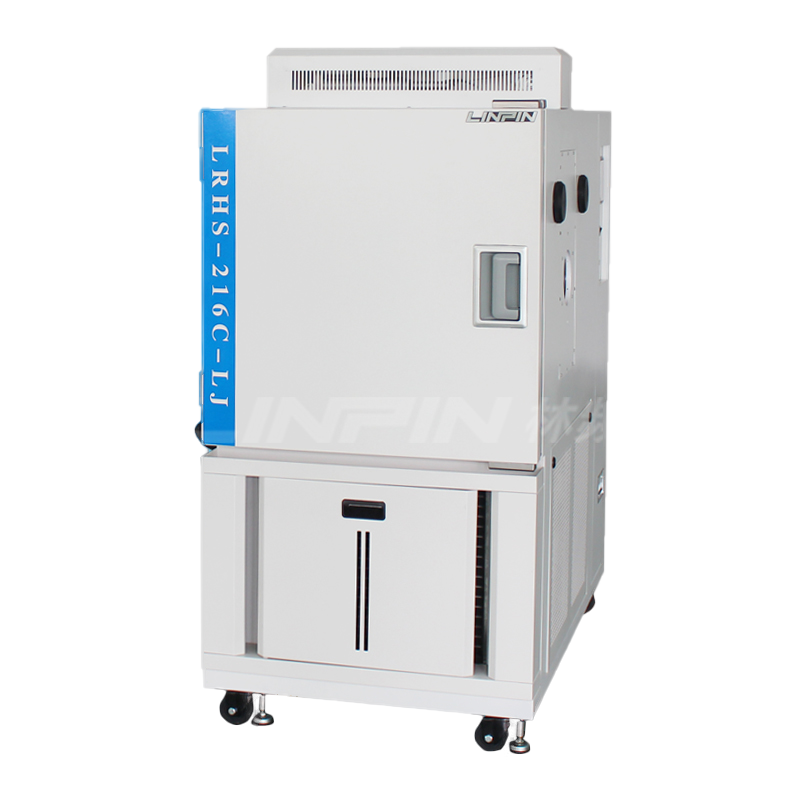
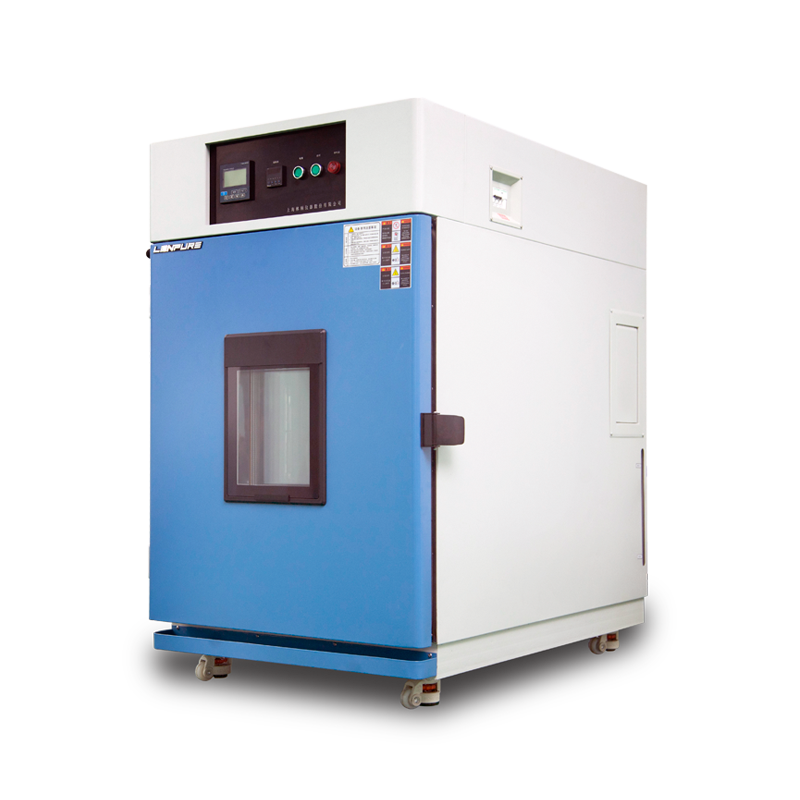
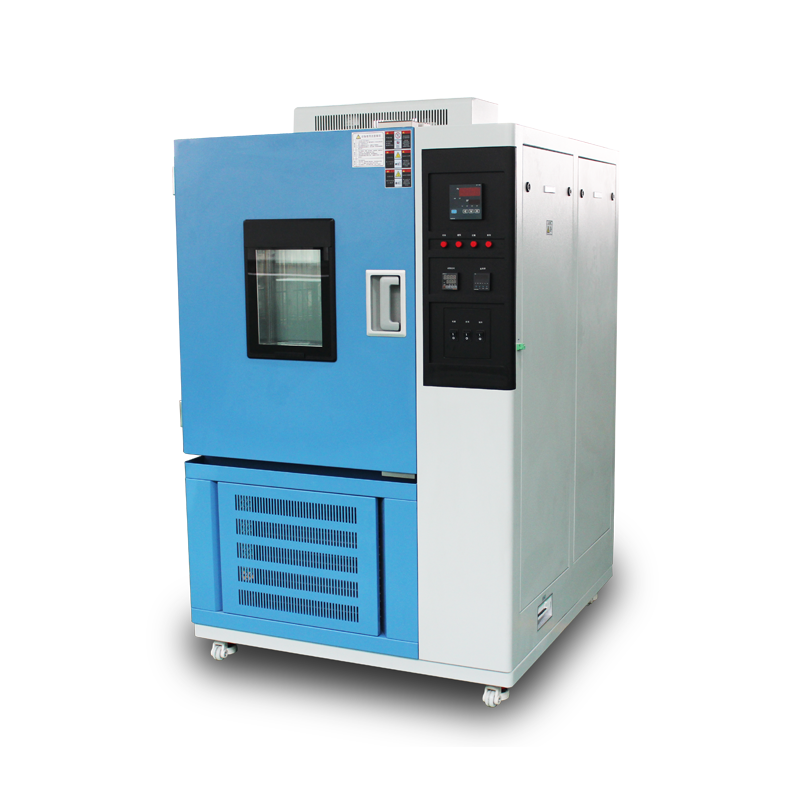
The relationship between price and quality is not strictly linear—higher cost does not always mean better quality, nor does a lower price necessarily indicate inferior performance. Many customers have found cost-effective solutions, such as Linpin’s test chambers, which offer both competitive pricing and reliable quality, earning trust across various industries.
Final Recommendation
When selecting a temperature cycling test chamber, buyers should carefully balance price, quality, and technical specifications. By doing so, they can secure a high-value investment that meets both budgetary and performance requirements.
At Linpin, we are committed to delivering premium yet reasonably priced test chambers, ensuring our customers receive the best return on their investment. Choose wisely—your ideal test chamber is within reach!
25.03








Copyright © 2025 Shanghai Linpin Instrument Co., Ltd Copyright
| ICP Number:Shanghai ICP Record No. 12029585-7
| Sitemap






 EN
EN
 中文
中文 Pусский
 Tiếng Việt
 ภาษาไทย
 پاکستانی زبان