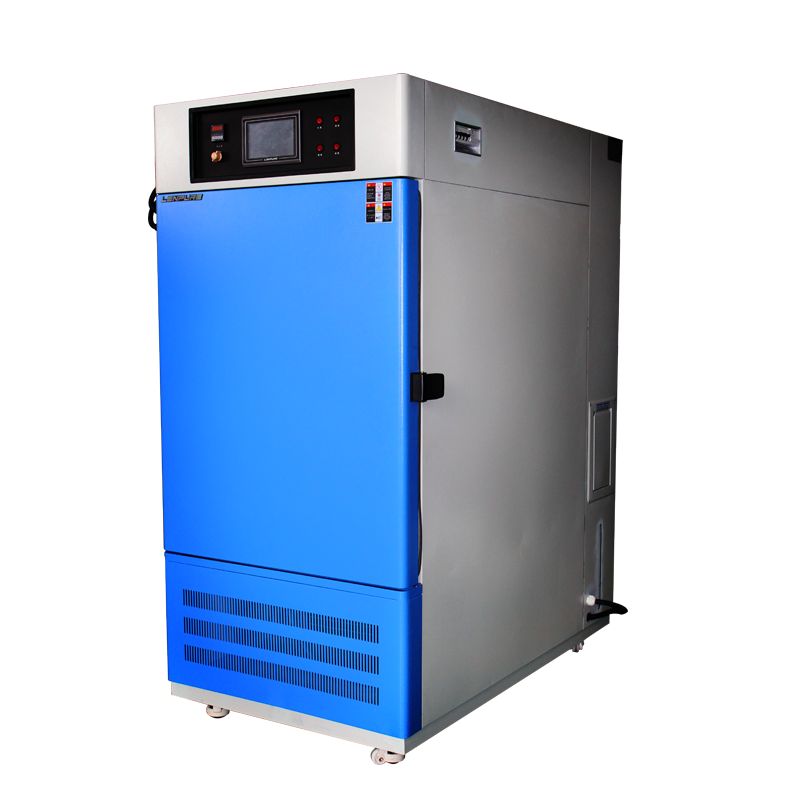
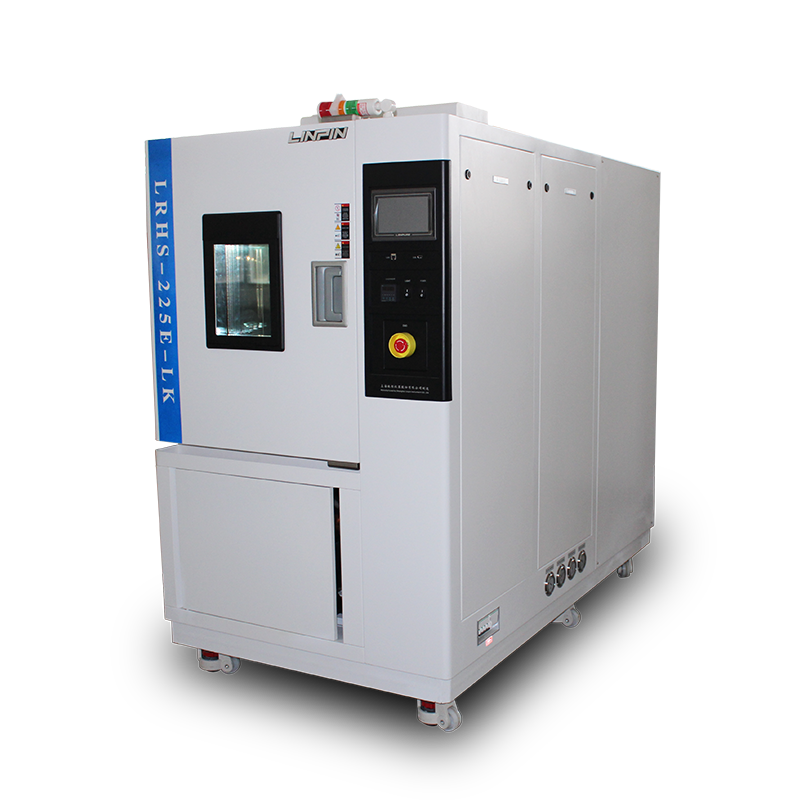
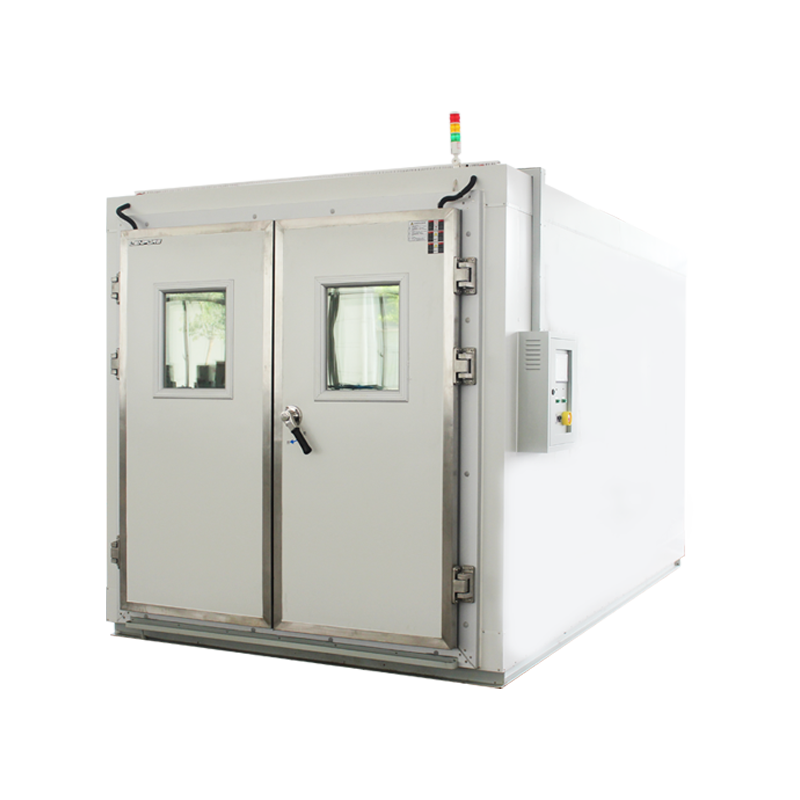
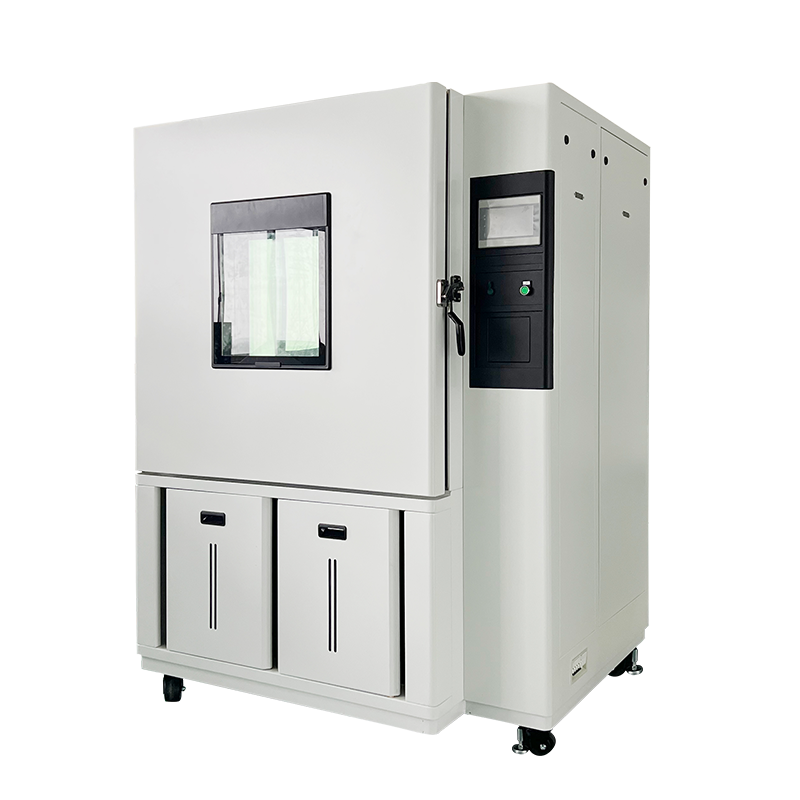
When encountering malfunctions in the sand and dust test chamber, how should they be addressed? Is it necessary to contact after-sales service? In fact, some issues can be initially troubleshooted by the customer, such as the following scenarios.
If the sand and dust test chamber has no power, check whether there is a power outage or if the power supply is functioning normally. If it’s a power supply or wiring issue, address it promptly, such as checking for a neutral wire.

If the device fails to blow dust, inspect whether the blower is operating normally or if the fan inlet is blocked. Additionally, check whether the dust is dry. Troubleshoot and resolve the issue promptly.
If the device does not vibrate, first verify whether the vibration motor is functioning properly. If the motor is not running, address the issue immediately.
These common malfunctions in the sand and dust test chamber can be initially diagnosed and resolved using the methods above. In fact, regular maintenance of the test chamber can reduce the likelihood of failures. To ensure stable performance, the test chamber should be installed in an environment with a constant temperature between 15°C and 25°C and a relative humidity below 85%.
The device should ideally be placed near the power supply, in a well-ventilated area without direct sunlight. Avoid installing it near flammable or explosive materials, and maintain adequate spacing between the device and adjacent walls or objects. Additionally, avoid rapid fluctuations in ambient temperature at the installation site. Assign dedicated personnel for routine maintenance, and clean the interior and exterior of the chamber regularly.
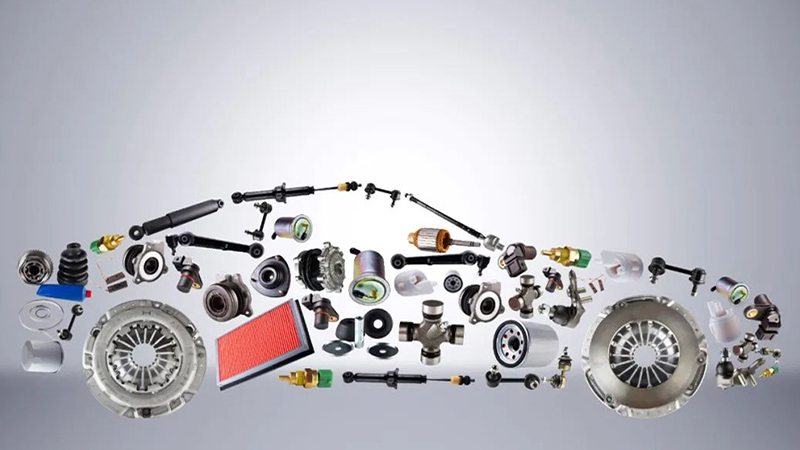
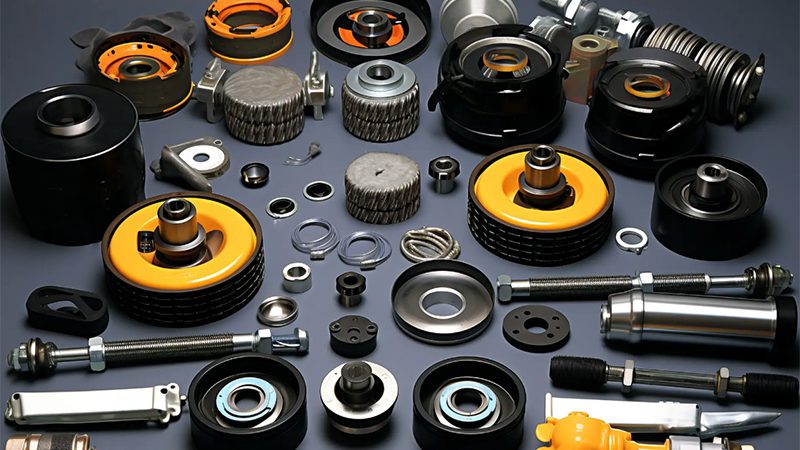
Our company is a manufacturer of sand and dust test chambers. In 2021, we launched a variety of new models and sizes of testing equipment, which can be customized according to customers’ actual needs. This equipment primarily simulates the damage caused by sandstorm conditions to products such as locks, automotive and motorcycle components, seals, and electrical instruments.
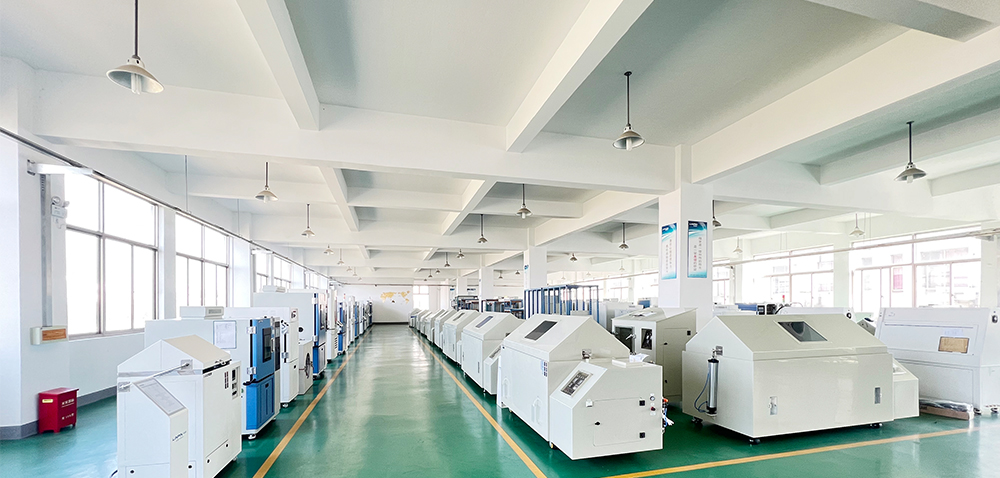
Our test chambers incorporate advanced technology and processes, significantly improving the accuracy of test results while being more energy-efficient and environmentally friendly. The equipment has already been applied in numerous projects and has received widespread recognition from customers. We welcome clients with needs to visit our factory for inquiries and purchases.







Copyright © 2025 Shanghai Linpin Instrument Co., Ltd Copyright
| ICP Number:Shanghai ICP Record No. 12029585-7
| Sitemap






 EN
EN
 中文
中文 Pусский
 Tiếng Việt
 ภาษาไทย
 پاکستانی زبان