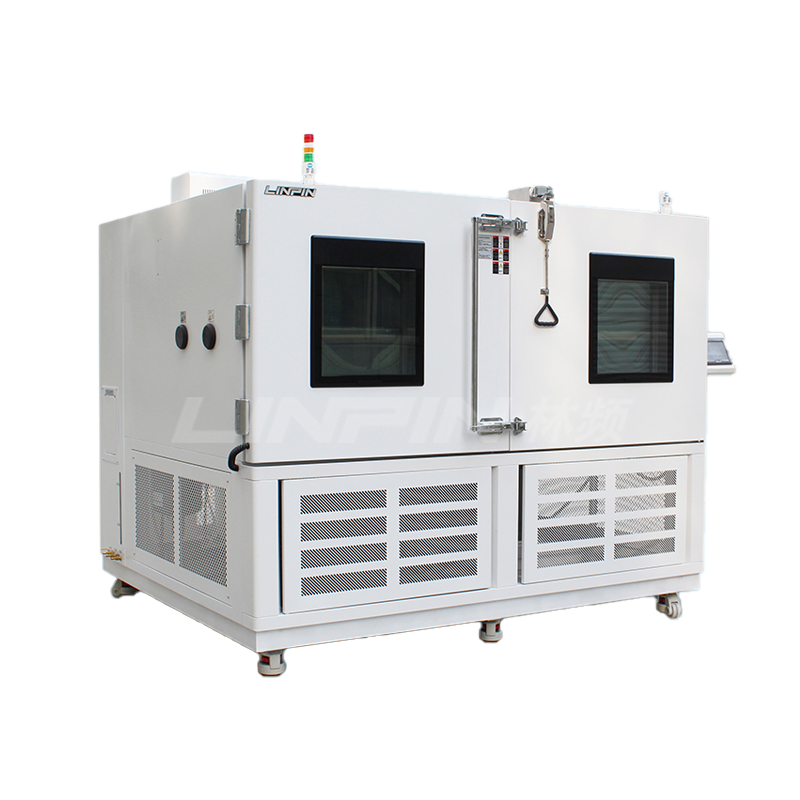
High-low temperature test chambers are equipped with separators, which come in different types. The most common ones are the gas-liquid separator and the oil separator. Many people may not be fully aware of the differences between these two types of separators. Below is an introduction to their characteristics:
1. Gas-Liquid Separator in High-Low Temperature Test Chambers
Function: This device can regulate the refrigeration capacity and effectively prevent issues such as liquid strike.
Drawbacks: It can interrupt the oil return in the system. Therefore, when installing a gas-liquid separator, it is usually necessary to also install an oil separator.
2. Oil Separator in High-Low Temperature Test Chambers

Function: During the testing process, the lubricating oil of the compressor circulates through the system along with the refrigerant and returns to the compressor’s suction port. However, some oil may occasionally be carried to the compressor’s exhaust port. The oil separator allows the oil to return to the system. Additionally, using an oil separator increases the saturation of the refrigerant with oil, facilitating smoother oil return.
Application: Modern test equipment often has larger pipes and a higher volume of oil. To ensure smooth oil return, manufacturers typically use oil separators.
After reading this introduction to the two types of separators in high-low temperature test chambers, you should have a deeper understanding of their characteristics. If you want to learn more about these components, you can consult our online customer service. As a manufacturer of environmental testing products, we continuously optimize and upgrade the structure and processes of our equipment to provide high-end solutions for our customers. We have recently launched a new series of temperature and humidity test chambers, featuring original designs, precision machining, and direct factory supply. These devices offer significant advantages in product quality, technology, and service. We can provide comprehensive services, including project design, equipment manufacturing, installation, commissioning, and after-sales support. If you are interested in purchasing environmental testing products, please visit our factory. We will offer you sincere and professional service.
25.06






Copyright © 2025 Shanghai Linpin Instrument Co., Ltd Copyright
| ICP Number:Shanghai ICP Record No. 12029585-7
| Sitemap






 EN
EN
 中文
中文 Pусский
 Tiếng Việt
 ภาษาไทย
 پاکستانی زبان