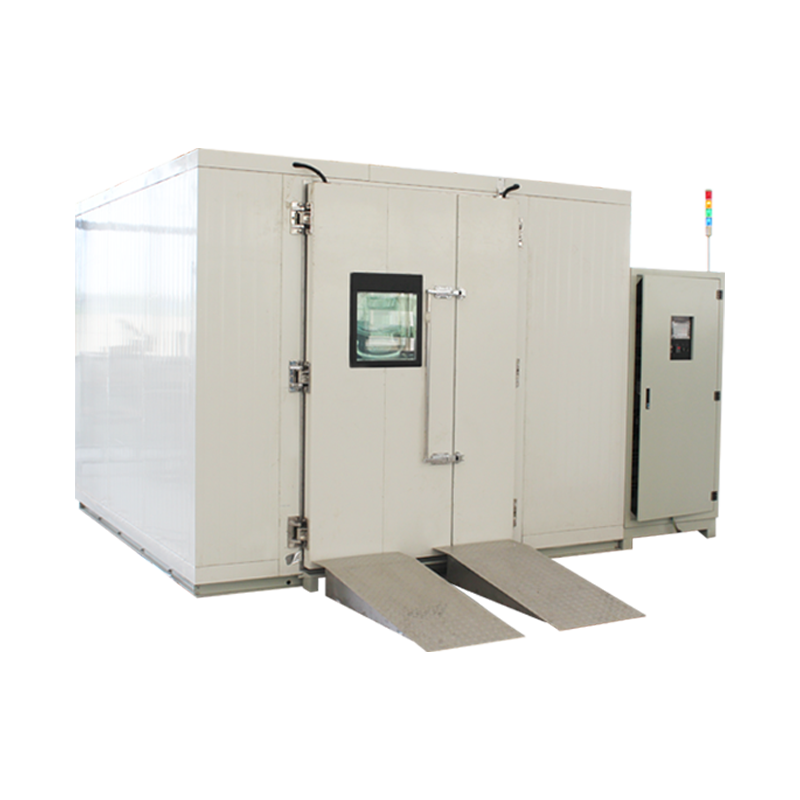
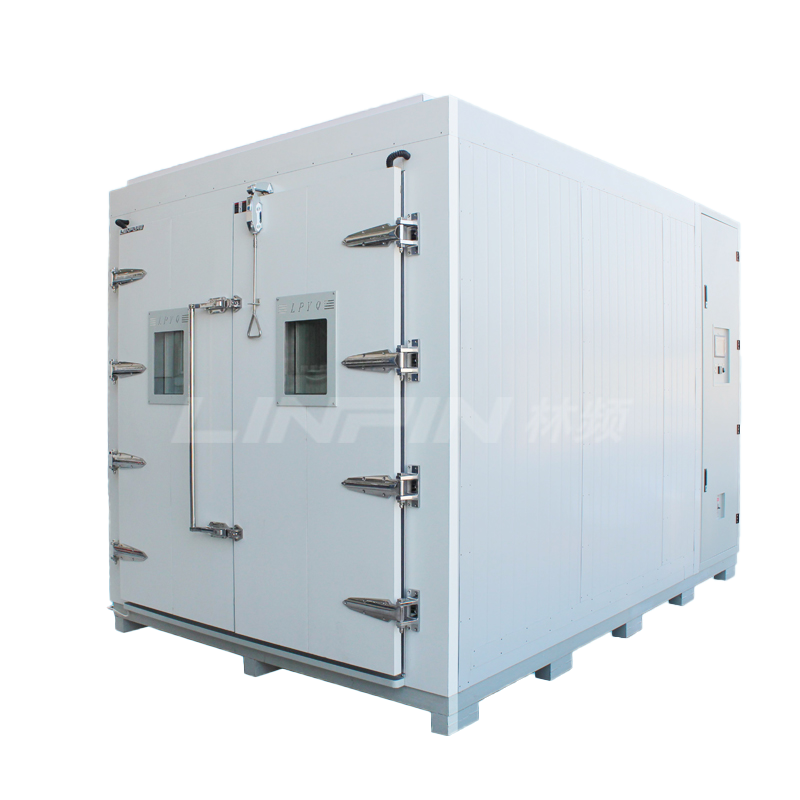
After long-term use, components or systems of a high-low temperature and humidity test chamber may encounter certain issues. For example, the water system of the device may develop sediment and water stains. To avoid affecting the test results, it is necessary to regularly clean the water system of the device. So, what is the specific cleaning process?
In fact, the cleaning of the water system is a periodic task. It is important to consistently clean the water system of the high-low temperature and humidity test chamber (generally, it is recommended to clean it once every three to four months). The main cleaning process is as follows:
Open the equipment room door and turn off the main power supply of the device.
Rotate the drain valve in the system to the open position. The water will flow back through the return pipe and be drained into the lower water tank, eventually being collected in the wastewater bucket.

Remove the return pipe and disconnect the power cord of the water pump. Also, disconnect the outlet pipe of the water pump.
If there is any leakage at the outlet of the water pump at this time, do not panic. This is a normal phenomenon. Simply press the outlet of the water pump with your hand and quickly empty the wastewater bucket.
Clean all components within the system. After cleaning, place the wastewater bucket back in its position, reconnect the return pipe and the power cord of the water pump, and reattach the outlet pipe of the water pump.
Open the lid of the wastewater bucket and pour in distilled water or purified water. Rotate the drain valve to the closed position.
Turn on the main power supply of the test equipment. The water will then be pumped from the wastewater bucket through the water pump to all components of the water system. The cleaning of the water system is now complete.
The water system of the high-low temperature and humidity test chamber is a crucial factor affecting its humidity. Many people, after purchasing the device, often neglect the maintenance of the equipment. Long-term neglect can affect the accuracy of the device and, in severe cases, cause equipment failure and interrupt the test. Therefore, it is important to pay attention to the cleaning of the equipment in daily use. If any aging or damage to components is found during cleaning, they should be replaced promptly.






Copyright © 2025 Shanghai Linpin Instrument Co., Ltd Copyright
| ICP Number:Shanghai ICP Record No. 12029585-7
| Sitemap






 EN
EN
 中文
中文 Pусский
 Tiếng Việt
 ภาษาไทย
 پاکستانی زبان