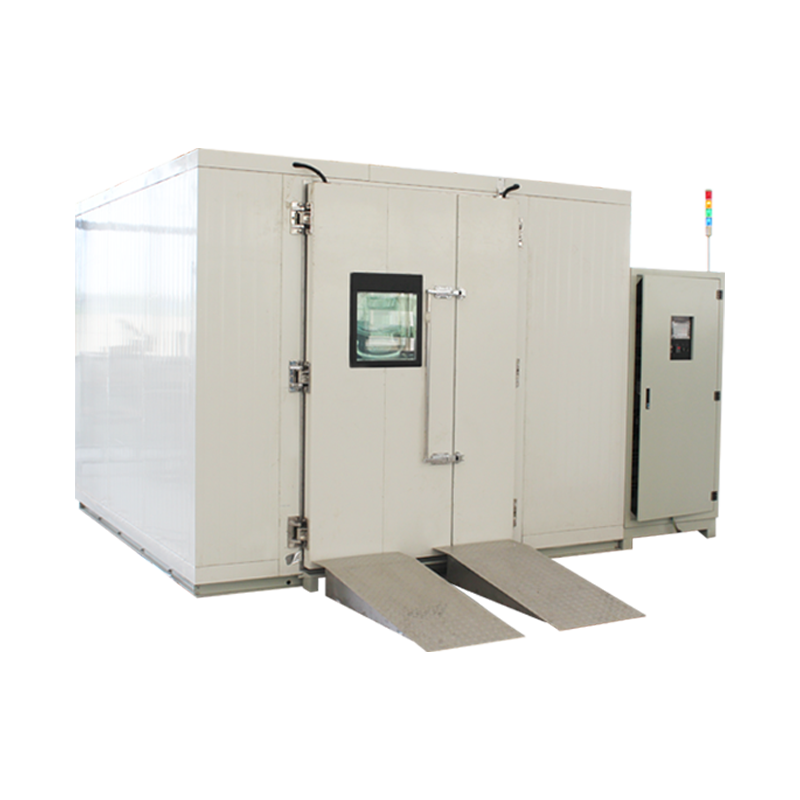
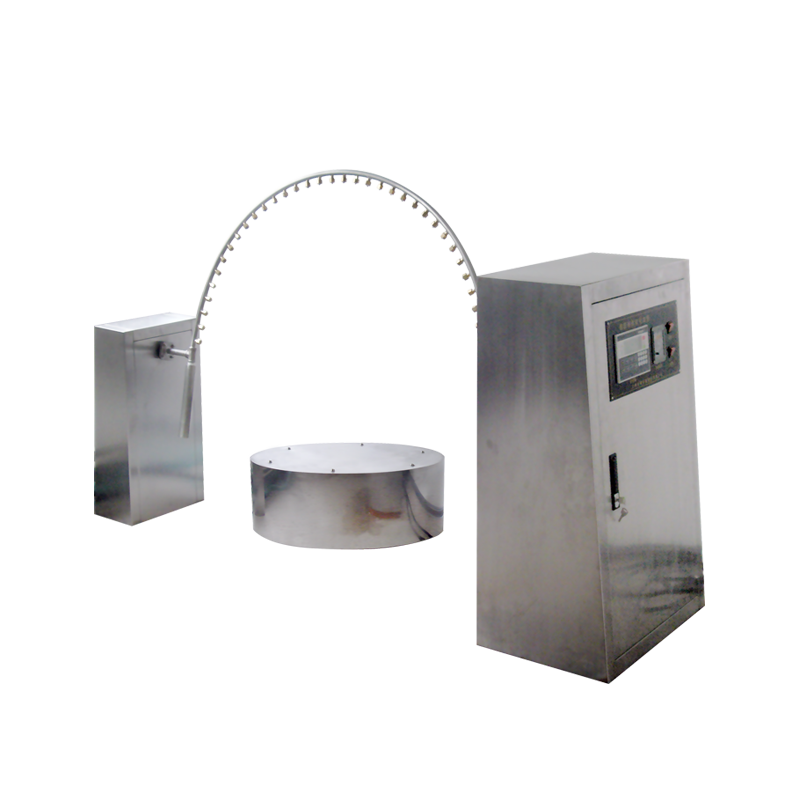
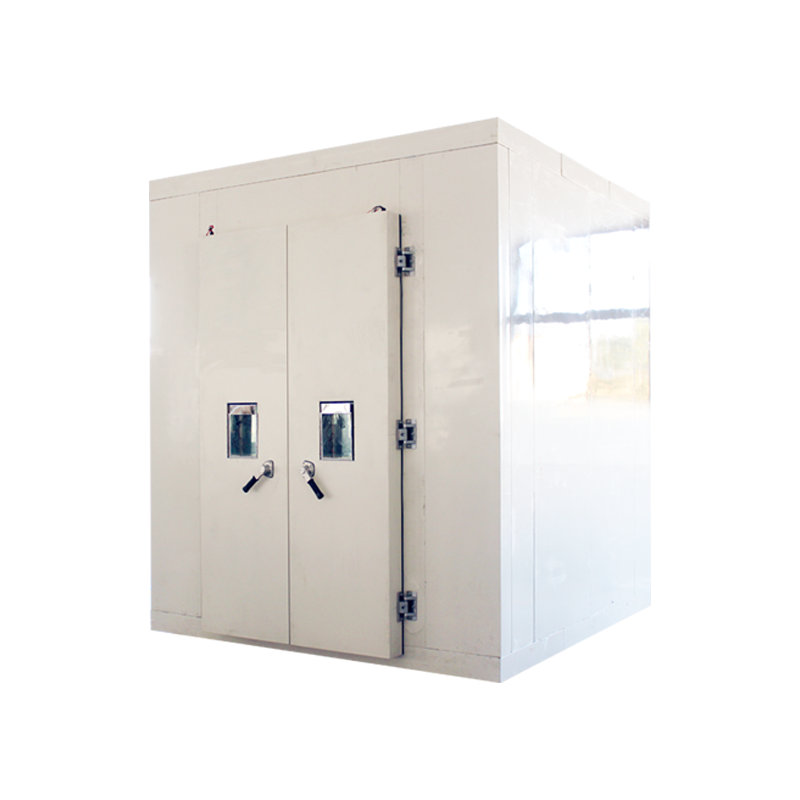
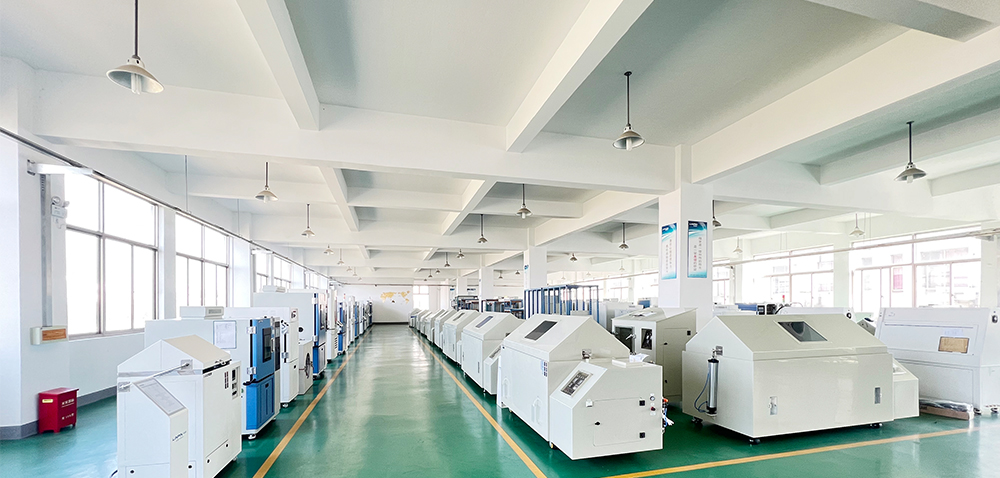
Conducting salt spray tests through natural environmental exposure is not only time-consuming but also yields unreliable results, with data often being inconsistent. However, the LINPIN product series, with its various types and models of salt spray test chambers, effectively addresses this headache-inducing issue. These chambers create a suitable salt spray environment, including temperature and other conditions, within their capacity to test products for salt spray corrosion resistance, as well as to evaluate their performance and quality. In this artificial simulation, the concentration of salt in the salt spray is much higher than in natural conditions, often several or even dozens of times higher, which significantly reduces the testing duration. It is under such enhanced conditions that the superiority of salt spray test chambers is truly appreciated.

Conducting tests in an artificial environment to mimic natural conditions can be time-consuming. However, different types and models of salt spray chambers can greatly reduce this lengthy testing period. These devices are primarily used in various scenarios, such as Neutral Salt Spray Test (NSS, which is also its alternative name), Acetic Acid Salt Spray Test (ASS, another name for it), and Copper Accelerated Acetic Acid Salt Spray Test (CASS—quite a catchy name, isn’t it?).
Would you like to know how much time is saved by using salt spray test chambers? The data will surely astonish you. Specifically:
The Neutral Salt Spray Test (NSS) would take one year to yield results through natural exposure, but with our equipment, it only takes 24 hours.
The Acetic Acid Salt Spray Test would require three years to obtain results through natural exposure, but with our equipment, it also only takes 24 hours.
Isn’t the experimental data amazing? Salt spray test chambers significantly reduce your testing time. Choosing a professional company not only ensures the integrity of your test specimens but also guarantees the accuracy of your test data.









Copyright © 2025 Shanghai Linpin Instrument Co., Ltd Copyright
| ICP Number:Shanghai ICP Record No. 12029585-7
| Sitemap






 EN
EN
 中文
中文 Pусский
 Tiếng Việt
 ภาษาไทย
 پاکستانی زبان