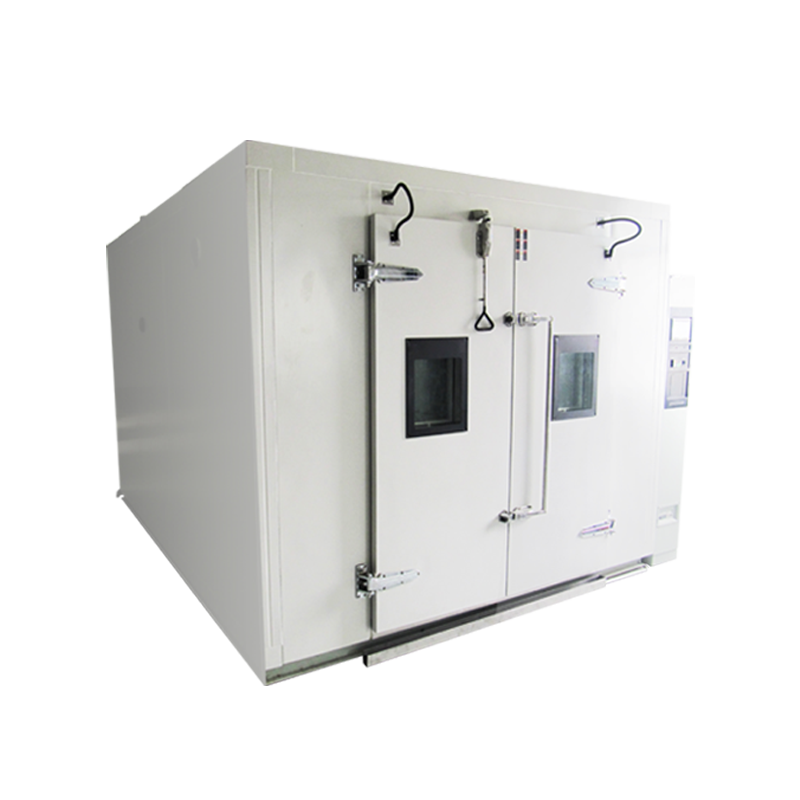
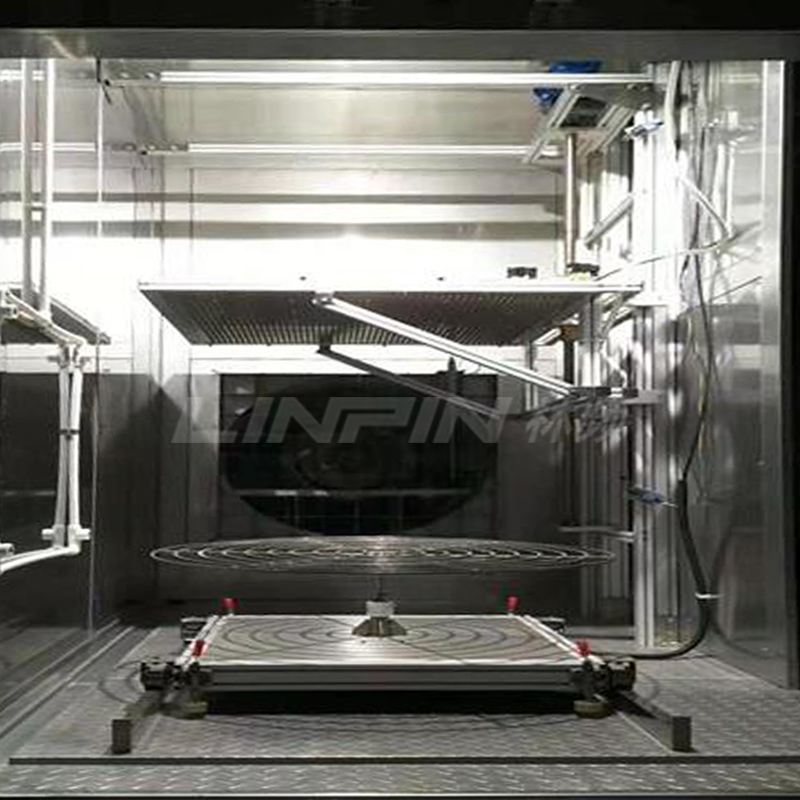
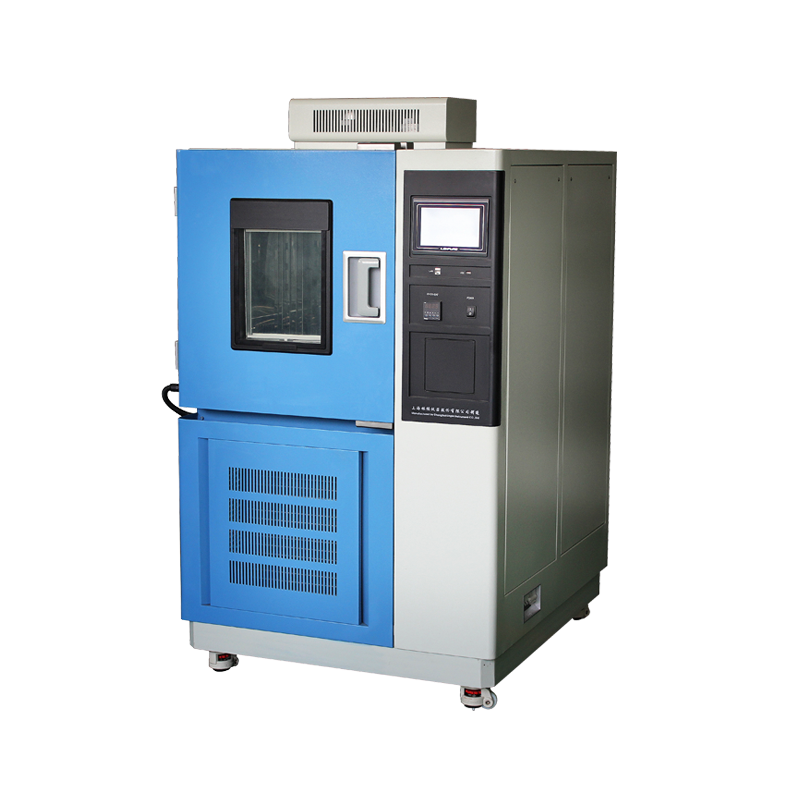
A salt spray test chamber is an instrument used to evaluate the corrosion resistance of objects to salt spray. After testing, how can users determine whether the samples meet the required standards? The judgment criteria vary depending on the applicable standards. Once the relevant standard is identified, the following methods can be used for evaluation:

Determination Based on Corrosion Presence
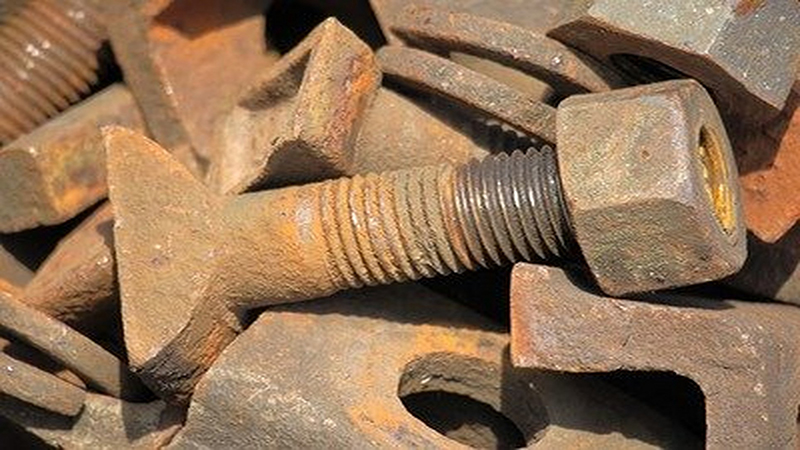
This method is suitable for various product standards. The judgment is primarily based on whether corrosion occurs on the sample after testing in the salt spray chamber, such as the presence of corrosion products.
Rating-Based Determination
This approach is ideal for evaluating corrosion on flat samples. It involves classifying the percentage of corroded area relative to the total area into different grades. A specific grade is then set as the benchmark to determine whether the sample meets the standard.
Weight Measurement Method
The weight of the sample is recorded before and after the test. The weight loss due to corrosion is calculated and compared against the relevant standard to determine compliance. This method is particularly suitable for assessing the corrosion resistance quality of certain metals.
Corrosion Data Analysis
This method is not used for evaluating specific product quality but rather for designing experiments, analyzing data, and determining the confidence level of corrosion data. It provides a statistical analysis of the sample’s corrosion condition.
After testing in a salt spray chamber, the above methods—corrosion presence assessment, rating-based evaluation, weight measurement, and corrosion data statistical analysis—can be applied. By referring to the relevant standards and combining these evaluation techniques, users can quickly determine whether the samples meet the required specifications, facilitating continuous optimization and improvement of the tested objects.






Copyright © 2025 Shanghai Linpin Instrument Co., Ltd Copyright
| ICP Number:Shanghai ICP Record No. 12029585-7
| Sitemap







 EN
EN
 中文
中文 Pусский
 Tiếng Việt
 ภาษาไทย
 پاکستانی زبان