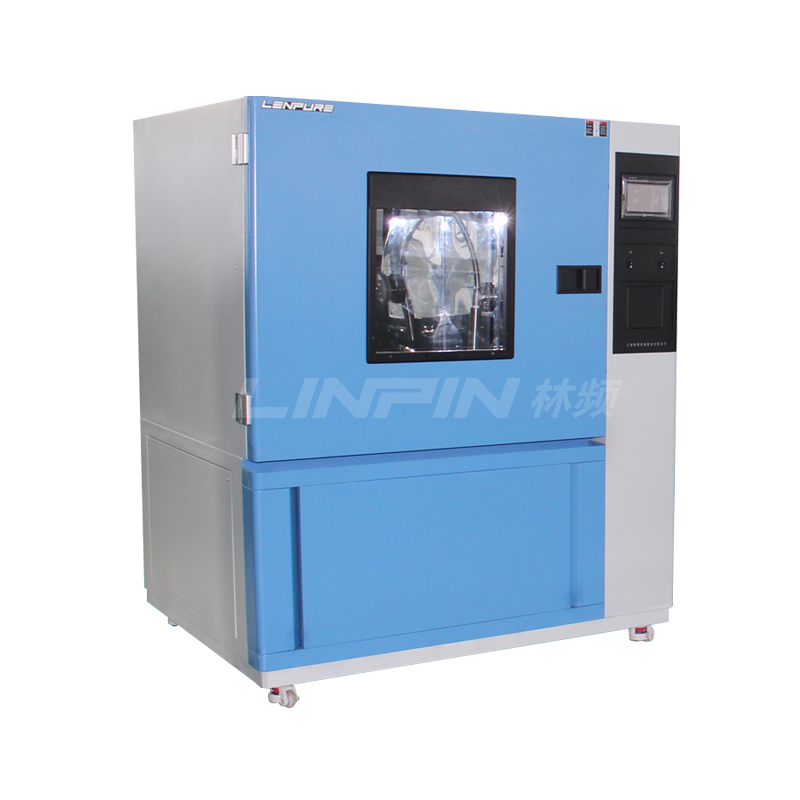
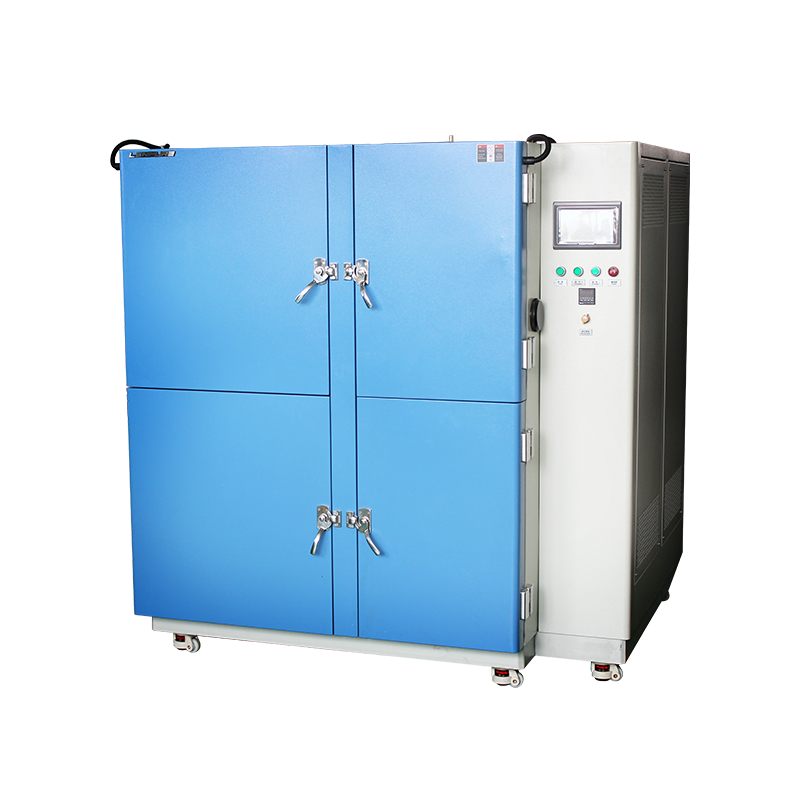
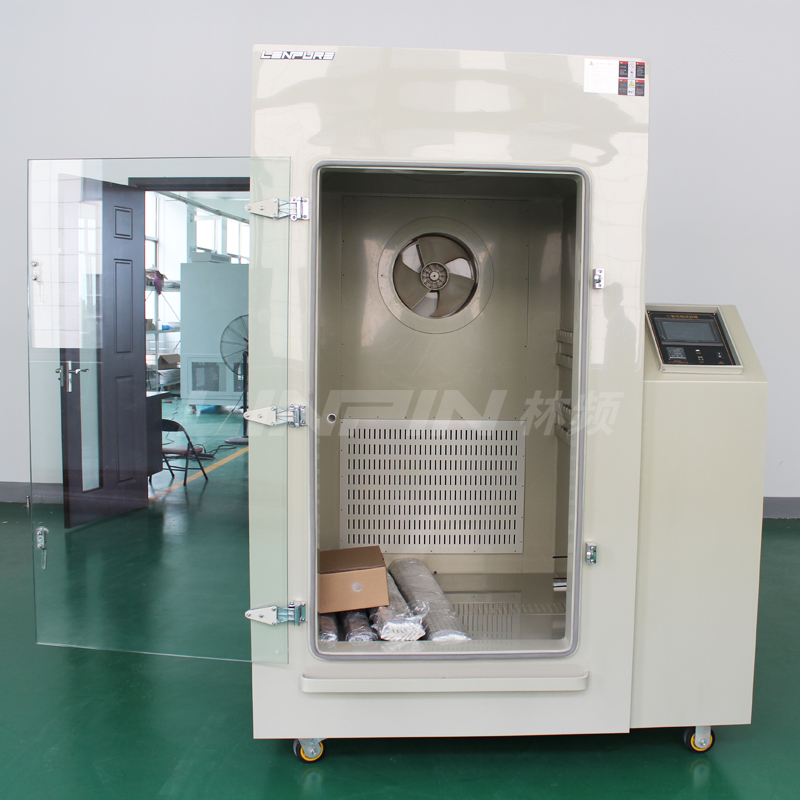
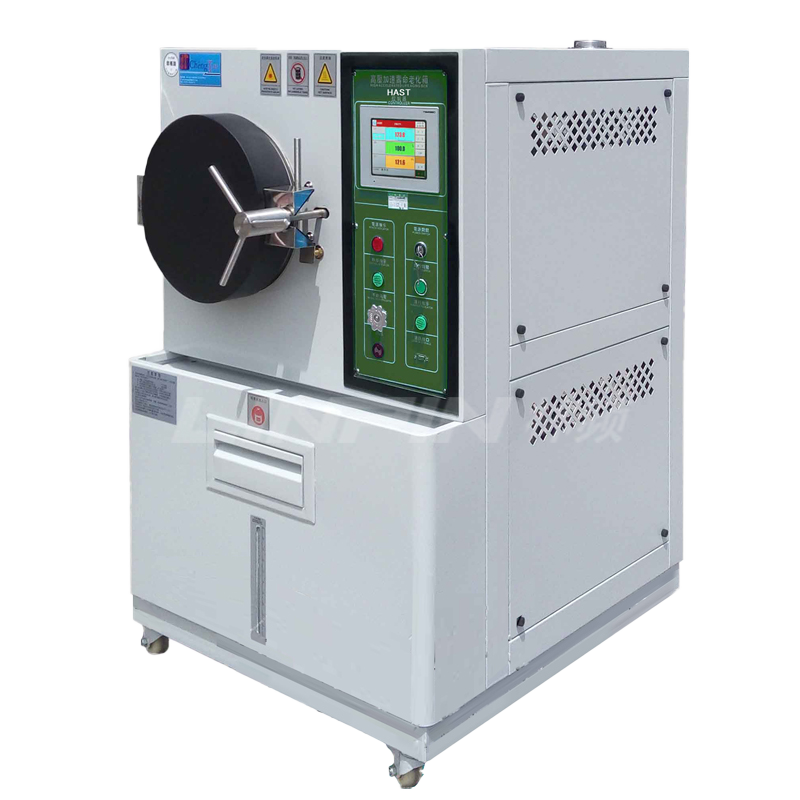
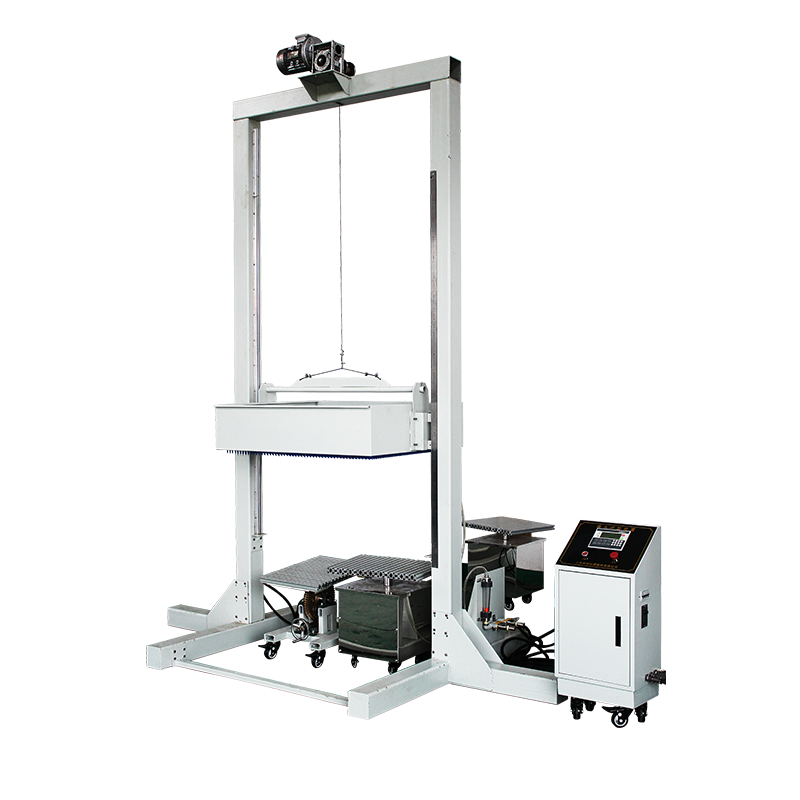
In the era of surging technological waves, every product is like a brave “explorer” venturing into the unknown, and it must demonstrate reliable performance in various extreme environments. The high and low temperature and low pressure test chamber is like a magical “environmental wizard.” Its core secret lies in the vacuum pump system, which “sucks out” the air inside the chamber to reduce air pressure, thereby accurately replicating low-pressure scenarios such as high altitudes and deep seas, providing a rigorous testing ground for products.

1、The Outstanding “Superpowers” of the High and Low Temperature and Low Pressure Test Chamber
“Perfect Reproduction” of Real-World Scenarios: The low-pressure test chamber can be regarded as an “environmental photocopier.” Whether it’s the thin air at high altitudes or the high-pressure, low-oxygen suffocating environment in the deep sea, it can reproduce these conditions exactly. In this laboratory “microcosm,” products can experience challenges identical to real-world usage environments in advance, and the test results naturally have high “gold content.”
“Customizable” Parameter Adjustment: Operators are like holding an “environmental remote control,” able to flexibly set the amplitude, speed, and duration of air pressure changes according to different testing requirements. This “customized” control capability allows the diverse testing needs of different industries and products to be met, making the test results more accurate and effective.
“Hawkeye” Data Monitoring: During the testing process, the low-pressure test chamber becomes an tireless “data scout,” real-time monitoring and recording key information such as temperature, humidity, pressure changes, and the performance indicators of the test objects. By meticulously analyzing these data, researchers can clearly see the “strengths and weaknesses” of product performance, and targeted improvements and optimizations can be made.
2、Technical Parameters of the High and Low Temperature and Low Pressure Test Chamber
Basic Temperature Parameters: The temperature range is like a “hot and cold magic zone,” ranging from -65℃ extreme cold to +150℃ scorching heat. When heating up, it can reach from +20℃ to +150℃ within no more than 60 minutes under normal pressure; when cooling down, it can go from +20℃ to -65℃ within 45 minutes under normal pressure.
Temperature Deviation and Fluctuation: The temperature deviation is controlled within ±2℃ under normal pressure, and the fluctuation is stable within ±0.5℃, with the highest temperature control accuracy reaching ±0.1℃, as precise as a “temperature ruler.”
Pressure Range and Deviation: The highest pressure control accuracy is ±0.1Pa, with a pressure range from normal pressure to 0.5kPa. The pressure control error has strict standards in different intervals, and the depressurization time is also very fast, with the time from normal pressure to target pressure not exceeding 25 minutes.







Copyright © 2025 Shanghai Linpin Instrument Co., Ltd Copyright
| ICP Number:Shanghai ICP Record No. 12029585-7
| Sitemap






 EN
EN
 中文
中文 Pусский
 Tiếng Việt
 ภาษาไทย
 پاکستانی زبان