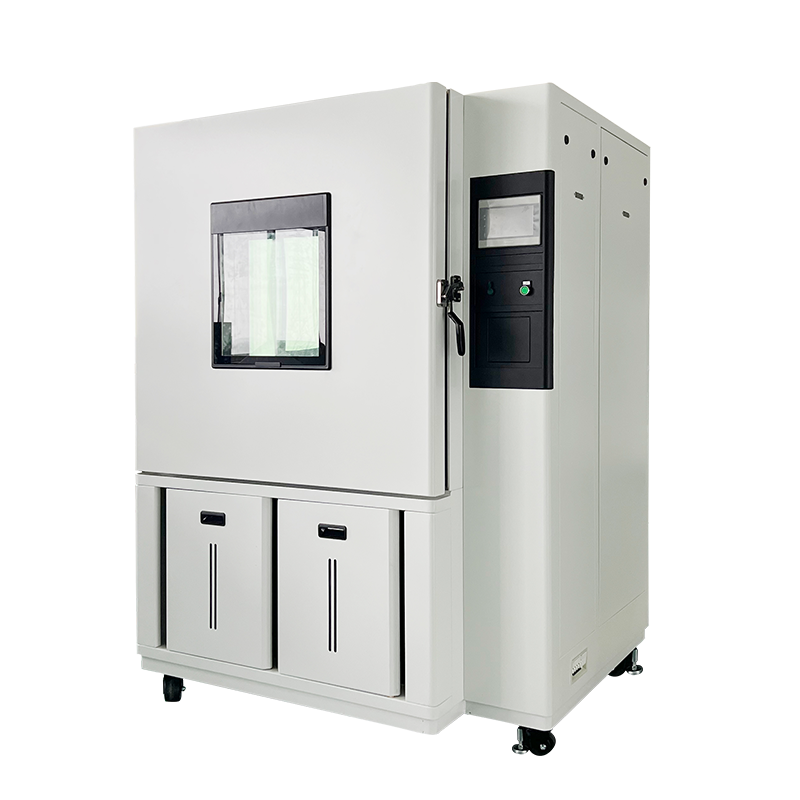
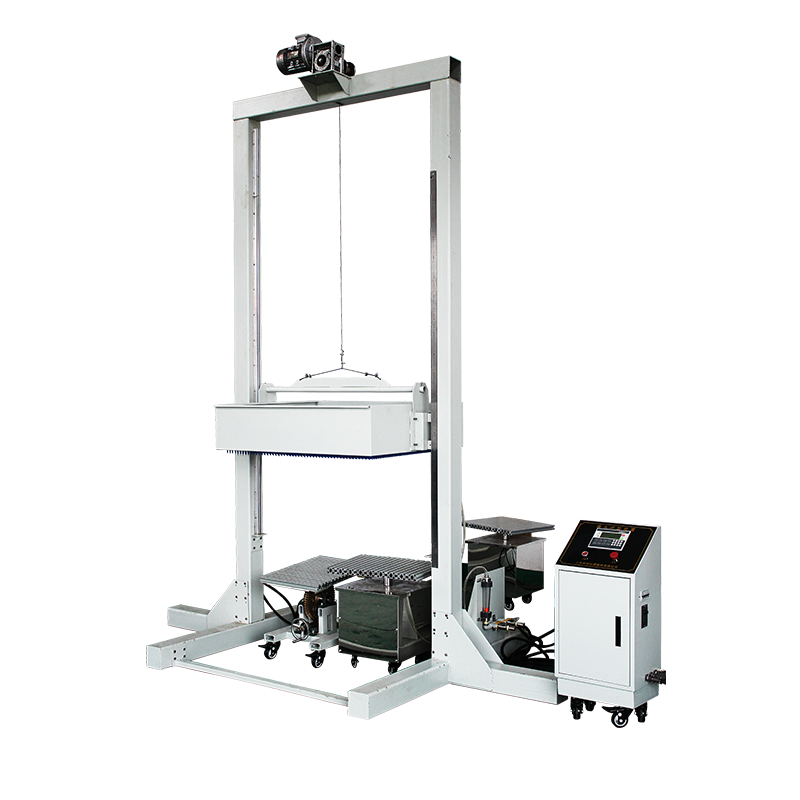
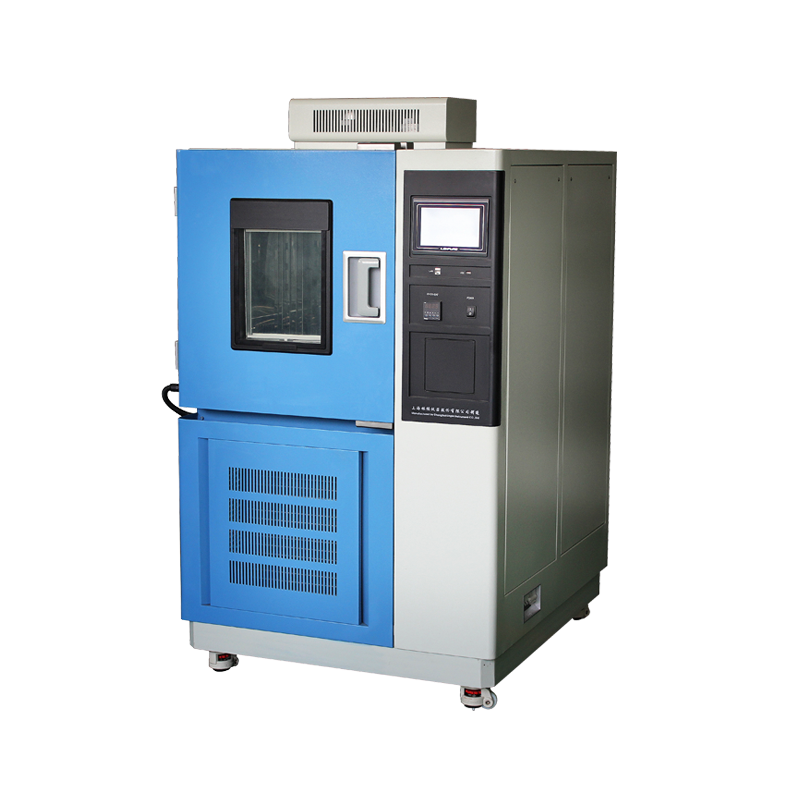
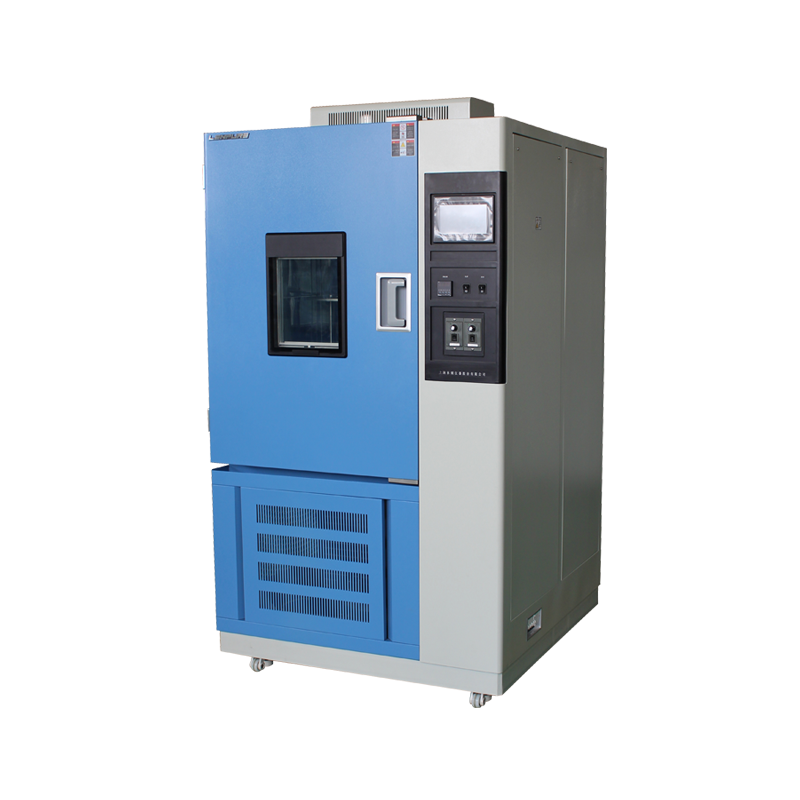
A thermal shock test chamber is a device that can rapidly switch between high and low temperatures. It simulates the extreme temperature changes that products may encounter during transportation, storage, and use. By subjecting products to rapid temperature cycling, it tests their adaptability to sudden environmental temperature changes, thereby evaluating the reliability of their material structure, electronic components, and sealing performance, among other aspects.

Its working principle is based on advanced temperature control technology and an air circulation system. Under the control of a preset program, it can quickly and accurately regulate the temperature inside the chamber and rapidly switch between different temperature ranges. The extreme rate of temperature change is often far beyond the range of natural environmental fluctuations, posing a significant challenge to products.
Why Is Thermal Shock Testing Needed?
Improving Product Quality: By simulating extreme environments, potential problems in product design or materials can be exposed in advance. This prompts manufacturers to make improvements before mass production, thereby enhancing the overall quality of the product.
Protecting Market Reputation: Ensuring that products can operate stably under various climatic conditions reduces failures and returns caused by environmental changes. This helps maintain brand image and consumer trust.
Complying with International Standards: Many industry standards and international certifications require products to pass thermal shock testing to meet the entry requirements of the global market.
Promoting Technological Innovation: Faced with more stringent testing conditions, companies are forced to increase R & D investment, which in turn drives the application of new materials and technologies and promotes the progress of the entire industry.
Applications of Thermal Shock Test Chambers
Thermal shock test chambers are widely used in various fields such as electronics, automotive parts, aerospace, new energy, military, and research institutions. Whether it is consumer electronics like smartphones and laptops, or high – end equipment such as automotive engines and aerospace components, they all need to undergo its rigorous testing. In addition, in the new energy field, such as battery packs and photovoltaic modules, thermal shock testing is an essential part that directly relates to the safety and service life of the products.








Copyright © 2025 Shanghai Linpin Instrument Co., Ltd Copyright
| ICP Number:Shanghai ICP Record No. 12029585-7
| Sitemap






 EN
EN
 中文
中文 Pусский
 Tiếng Việt
 ภาษาไทย
 پاکستانی زبان