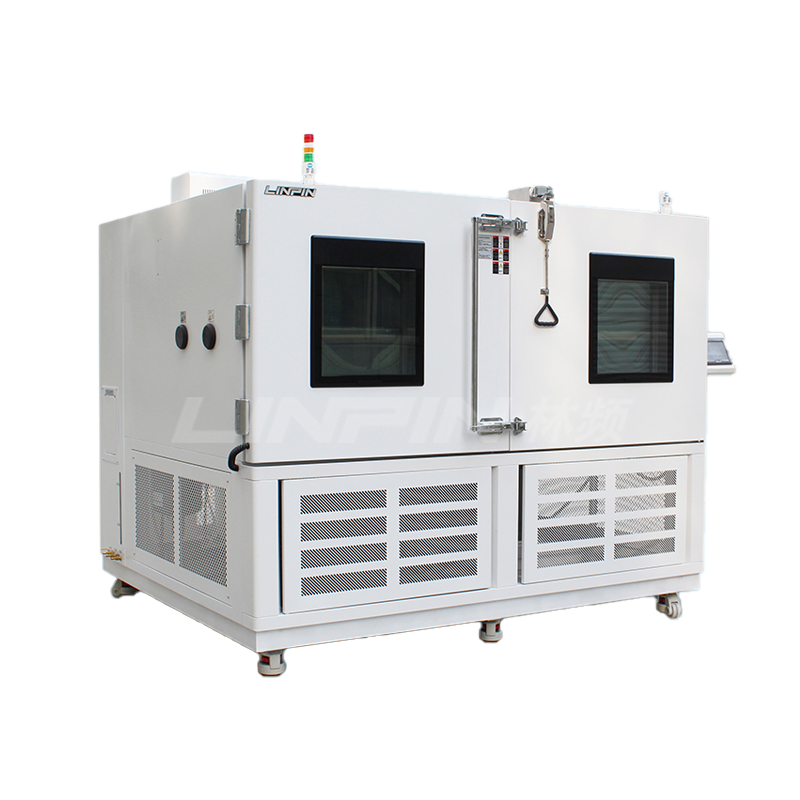
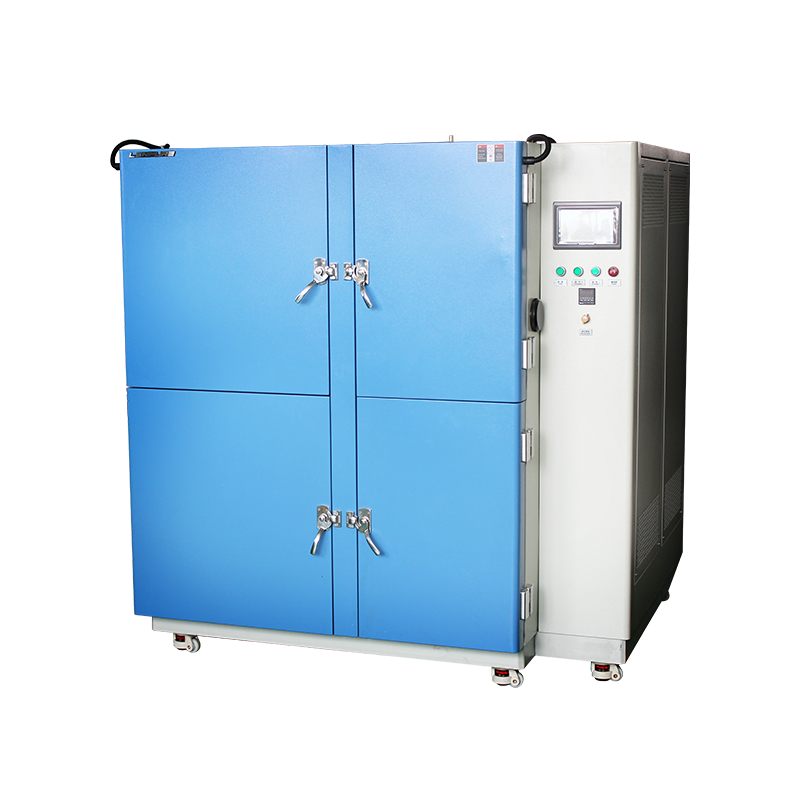
High-low temperature cycling test chambers are common and frequently used testing devices in our daily lives. They are primarily used to conduct high and low-temperature tests as well as temperature cycling tests on products, serving industries such as electronics testing and other applications where product performance needs to be evaluated. These tests are simulated within the chamber to assess the performance of the products.
The structure of the high-low temperature cycling test chamber is relatively simple. The air circulation in the device is designed with an outlet and return air system, which allows for faster temperature recovery. During operation, the device will obtain corresponding values based on the preset time and temperature range. However, if the time is too long or for other reasons, the device may experience slow cooling. If you encounter such issues, you can first check the following:
Check if the chamber door is properly closed.
Check if the ambient temperature during testing is too high. Generally, you can install an air conditioner in the testing environment to reduce the ambient temperature.
Check if the condenser of the device is excessively dusty and has not been cleaned in time.
Check if the fan of the device can start normally during testing. If it starts normally, you can rule out issues with the fan.
Check if the refrigeration system of the device has insufficient refrigerant. This can be checked through the exhaust and intake pressures of the low-temperature compressor in the refrigeration unit.
Check if the test load or workpieces are being tested while energized and if they generate excessive heat. High heat generation from the workpieces can also be one of the reasons for slow cooling.
When the water pipes of the high-low temperature cycling test chamber turn yellow and there is rust in the water tank, this is a normal phenomenon. Simply clean it with water, and it will not affect the normal use of the device. Additionally, if you have just purchased the device and notice smoke within the first week of use, do not panic. This is also normal, as new devices may produce smoke or oil fumes when first used.
These self-check reasons and minor precautions are intended to help you use the device more effectively.
25.12


25.04







Copyright © 2025 Shanghai Linpin Instrument Co., Ltd Copyright
| ICP Number:Shanghai ICP Record No. 12029585-7
| Sitemap






 EN
EN
 中文
中文 Pусский
 Tiếng Việt
 ภาษาไทย
 پاکستانی زبان